Technology · Products
Apple Pushes for 20% Price Cut on iPhone 18 OLED Panels Despite Higher Material Costs
Cupertino seeks steep reductions from Samsung Display and LG Display as memory and storage expenses climb, testing supplier margins ahead of 2026 launch cycle.
KEY TAKEAWAYS
- ·Apple is negotiating a 20% price reduction on OLED panels for the iPhone 18 series with Samsung Display and LG Display as memory and storage costs rise.
- ·The requested cut comes despite the adoption of costlier M16 OLED material sets, which offer improved efficiency but higher manufacturing expenses.
- ·Samsung Display and LG Display face margin pressure, with operating margins below 5% and losses respectively in recent quarters, complicating their ability to absorb price reductions.
Supplier Pressure Intensifies
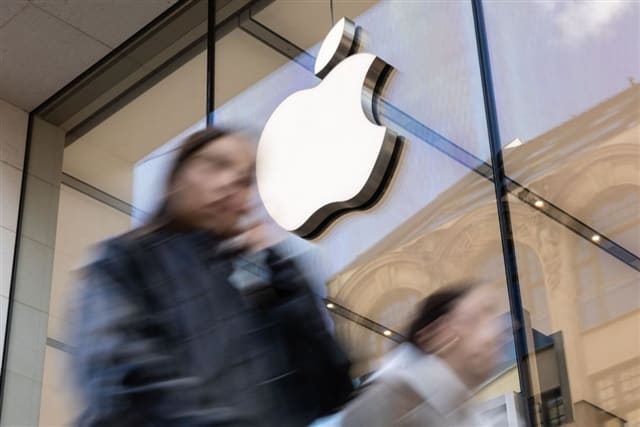
Apple has initiated negotiations with Samsung Display and LG Display for a 20% reduction in OLED panel pricing for the upcoming iPhone 18 series, according to industry sources. The demand comes at a time when the company faces mounting production costs elsewhere in the bill of materials, particularly in memory and storage components.
The timing of the request places unusual pressure on display suppliers. While Apple routinely negotiates component pricing with its supply chain partners, the scale of the proposed cut is notable given that the iPhone 18 series is expected to incorporate more advanced M16 OLED material sets, which typically carry higher manufacturing costs than previous generations.
Cost Dynamics in Conflict
The push for lower panel prices reflects Apple's ongoing effort to manage overall device production expenses. Memory and storage components have seen price increases over recent quarters, driven by tighter supply conditions and stronger demand from data center and enterprise customers. DRAM contract prices rose approximately 15% in the first half of 2026, while NAND flash prices climbed roughly 10% during the same period.
These increases directly affect smartphone makers, who rely on high-density memory configurations to support increasingly complex operating systems and AI-driven features. For Apple, which positions the iPhone as a premium product with multi-year software support commitments, maintaining target margins while absorbing higher memory costs requires offsetting savings from other components.
Samsung Display and LG Display together supply the entirety of Apple's OLED panels for flagship iPhone models. Samsung Display holds the larger share, producing panels for the Pro and Pro Max variants, while LG Display manufactures screens for the standard models. Both suppliers have invested billions of dollars in OLED production capacity tailored to Apple's specifications, creating a relationship characterized by both deep integration and mutual dependency.
Material Set Upgrade Complicates Negotiations
The M16 OLED material set represents an advancement in organic light-emitting diode technology, offering improved luminance efficiency and longer lifespan compared to the M14 materials used in current-generation panels. However, the newer materials involve more complex deposition processes and higher raw material costs, making them inherently more expensive to manufacture.
Display manufacturers typically pass these increased costs to customers through negotiated pricing adjustments. Apple's request for a 20% reduction therefore runs counter to the usual cost trajectory when adopting newer material technologies. The gap between Apple's pricing expectations and supplier cost structures will likely define the contours of the current negotiation cycle.
Industry observers note that Apple's negotiating position draws strength from its scale and the strategic importance of the iPhone program to both Samsung Display and LG Display. The iPhone accounts for a substantial portion of annual revenue for both companies' mobile display divisions, giving Apple significant leverage in pricing discussions.
Margin Pressure Across the Supply Chain
Display panel suppliers have faced narrowing margins over the past two years as smartphone demand growth slowed and competition intensified. Samsung Display reported operating margins below 5% in its display business for three consecutive quarters through Q1 2026, while LG Display posted losses in its mobile division during the same period.
A 20% price reduction on iPhone 18 panels would compress margins further, potentially pushing suppliers toward breakeven or negative profitability on certain models unless they can achieve corresponding cost reductions through yield improvements or process optimization. Both companies have initiated internal cost-cutting programs, but the magnitude of Apple's requested discount exceeds typical annual efficiency gains.
The outcome of these negotiations will set a precedent for pricing dynamics across the broader smartphone OLED market. Other handset manufacturers closely monitor Apple's supplier agreements, as concessions granted to Apple often establish benchmarks that competitors reference in their own negotiations.
Implications for the 2026 Cycle
The iPhone 18 series is expected to launch in September 2026, giving Apple and its display suppliers approximately two months to finalize panel specifications and pricing terms before mass production ramps. Any delay in reaching agreement could affect production schedules and component availability during the critical holiday selling season.
Apple's aggressive pricing stance reflects broader shifts in the smartphone market, where unit growth has stagnated in developed markets and average selling prices face downward pressure. To maintain profitability, device makers increasingly focus on supply chain cost optimization rather than relying solely on volume growth.
For Samsung Display and LG Display, the current negotiation represents a test of their ability to balance the strategic value of the Apple relationship against the financial reality of compressed margins. How they respond will shape not only their own financial performance but also the competitive dynamics of the global OLED supply chain through the remainder of the decade.
RELATED STORIES

Samsung's Device Division Reports First Quarterly Loss as Chip Costs Surge
Cheng Wei-Lun · 3 min
SK Hynix May Fast-Track Gwangju Fab Investment Alongside Yongin Expansion
Jun-ho Seo · 3 min
SK Hynix Eyes Deeper Collaboration With Japan's Chip Sector
Cheng Wei-Lun · 4 min
Samsung Display Restarts Asan OLED Campus as Foldable Phones Stage Recovery
Cheng Wei-Lun · 4 min
Spot something wrong? Email editor@briefasia.com. We log every correction publicly.