Technology · AI
Anthropic Turns to SK Hynix for Custom AI Chip Supply
SK Group chairman reveals the AI firm's chip procurement plans as South Korea pledges over $3 trillion toward semiconductor and AI infrastructure
KEY TAKEAWAYS
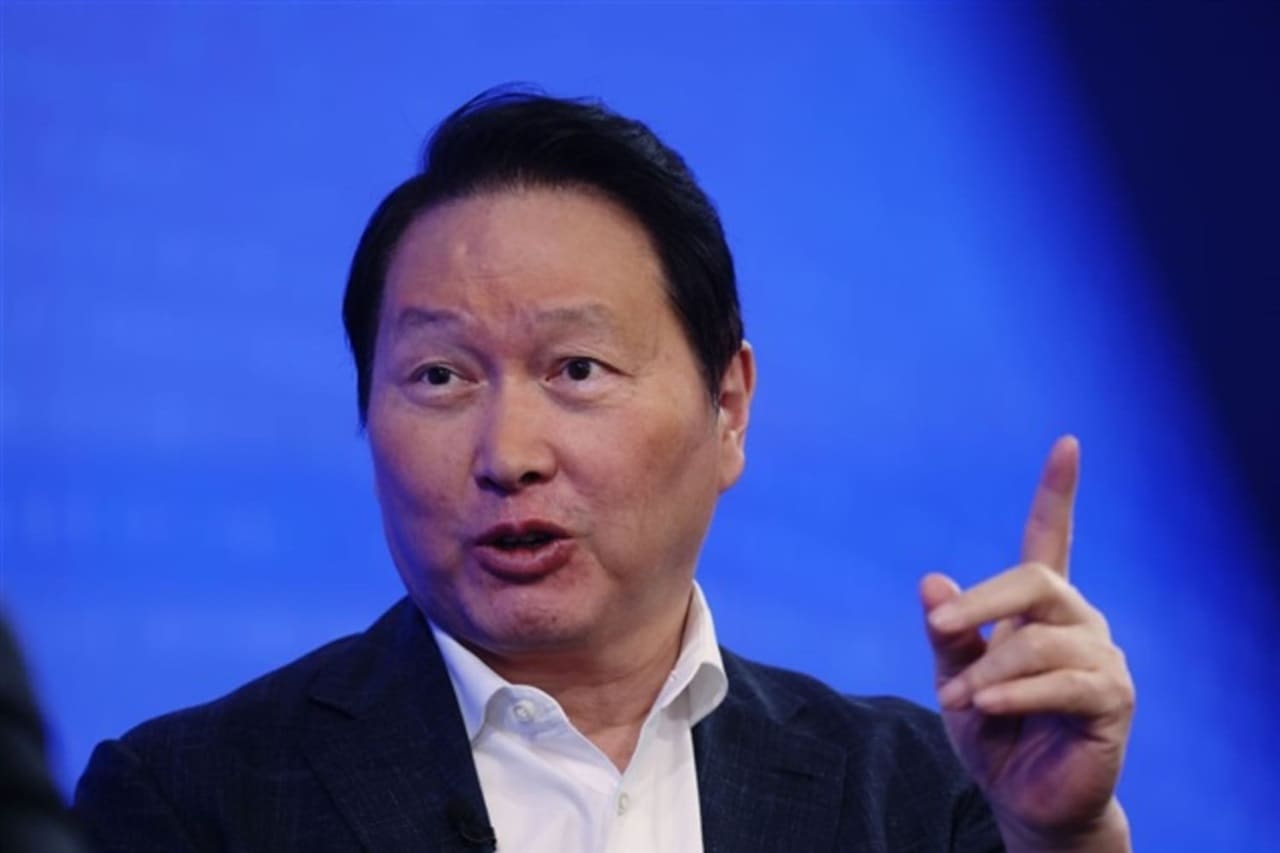
- ·Anthropic has requested SK Hynix help supply chips for its in-house AI hardware, according to SK Group chairman Chey Tae-won.
- ·South Korea plans to invest more than $3 trillion across semiconductor expansion, AI data centers, and physical AI applications.
- ·The partnership would position SK Hynix alongside other chipmakers working directly with AI labs to develop custom silicon.
Anthropic's Supply Chain Move
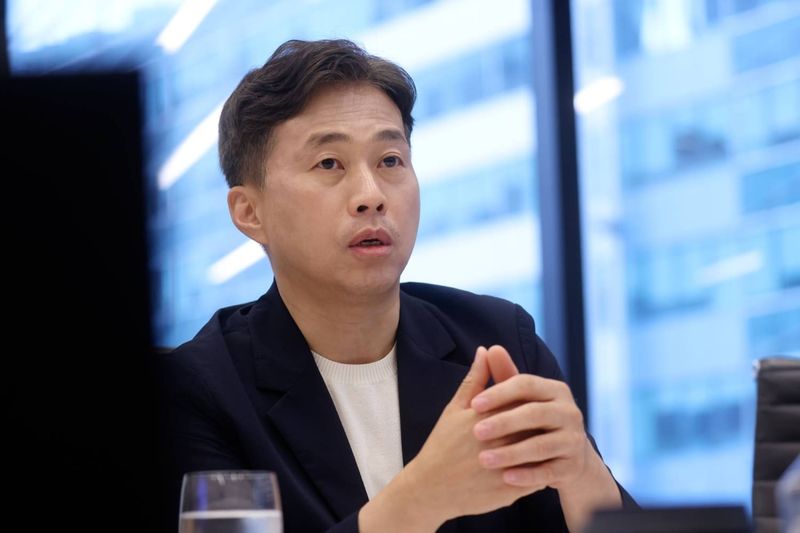
Anthropic has requested SK Hynix assist in supplying chips for its internal AI hardware development, according to Chey Tae-won, chairman of SK Group. The disclosure came during an AI summit in San Francisco, marking a significant step in the AI company's vertical integration strategy.
The request positions SK Hynix as a potential partner in Anthropic's efforts to build proprietary silicon, a path increasingly taken by large AI labs seeking to reduce dependence on third-party chip providers. While Chey confirmed the approach, neither company has detailed the scope, timeline, or technical specifications of the potential collaboration.
SK Hynix currently ranks as the world's second-largest memory chip maker and has become a critical supplier to Nvidia, producing high-bandwidth memory (HBM) chips essential for modern AI accelerators. The company's expertise in advanced packaging and memory architecture makes it a natural target for AI firms looking to optimize hardware for training and inference workloads.
South Korea's $3 Trillion Bet
During the same event, Chey outlined three major investment pillars that South Korea is pursuing, collectively exceeding $3 trillion. The areas include semiconductor capacity expansion, AI data center infrastructure, and what he termed "physical AI," a category encompassing robotics and autonomous systems that apply machine learning to the physical world.
The semiconductor expansion component reflects Seoul's determination to maintain its global lead in memory chips while catching up in logic and foundry capabilities. South Korea has already announced tax incentives and direct subsidies aimed at bolstering domestic chip production amid intensifying competition from the United States, China, and Taiwan.
Investment in AI data centers addresses a bottleneck in the region's AI ecosystem. While South Korean firms excel at hardware manufacturing, the country has lagged behind in cloud infrastructure and large-scale compute clusters required to train frontier models. The new capital allocation signals an effort to bridge that gap and attract AI companies to deploy workloads locally.
The physical AI segment represents a longer-term strategic bet. South Korea's strength in manufacturing, robotics, and automotive technology provides a foundation for deploying AI in industrial automation, logistics, and autonomous vehicles. Major conglomerates including Samsung, Hyundai, and SK Group have all increased R&D spending in these domains over the past two years.
Asia's Chip Diplomacy
Anthropic's outreach to SK Hynix also reflects broader shifts in how AI companies approach chip procurement. As demand for specialized AI silicon grows, firms are diversifying supplier relationships and exploring custom designs tailored to their model architectures and inference patterns.
For SK Hynix, partnerships with AI labs offer a path to expand beyond its traditional memory business and into more integrated solutions. The company has already deepened ties with Nvidia and other accelerator designers, and working directly with an AI developer could yield insights into future memory and interconnect requirements.
The engagement comes as South Korea navigates complex geopolitical terrain in the semiconductor industry. Seoul maintains strong economic ties with China, its largest trading partner, while aligning with U.S. export controls that restrict advanced chip technology flows to Beijing. Balancing these relationships will shape how South Korean chipmakers collaborate with American AI firms in the years ahead.
Anthropic, backed by Google and other investors, has not publicly confirmed plans to develop its own chips. The company's flagship model, Claude, currently runs on cloud infrastructure provided by Amazon Web Services and Google Cloud, both of which rely heavily on Nvidia GPUs. A move toward custom silicon would align Anthropic with peers like OpenAI and Google DeepMind, which have pursued proprietary hardware to improve cost efficiency and performance.
RELATED STORIES
Samsung and SK Hynix Turn Down KEPCO's Multibillion-Dollar Prepayment Demand
Cheng Wei-Lun · 4 min
SK Hynix May Fast-Track Gwangju Fab Investment Alongside Yongin Expansion
Jun-ho Seo · 3 min
South Korea Taps Three Telecom Giants to Deliver Free AI Services Nationwide
Cheng Wei-Lun · 3 min
SK Hynix Eyes Deeper Collaboration With Japan's Chip Sector
Cheng Wei-Lun · 4 min
Spot something wrong? Email editor@briefasia.com. We log every correction publicly.