Finance · Deals
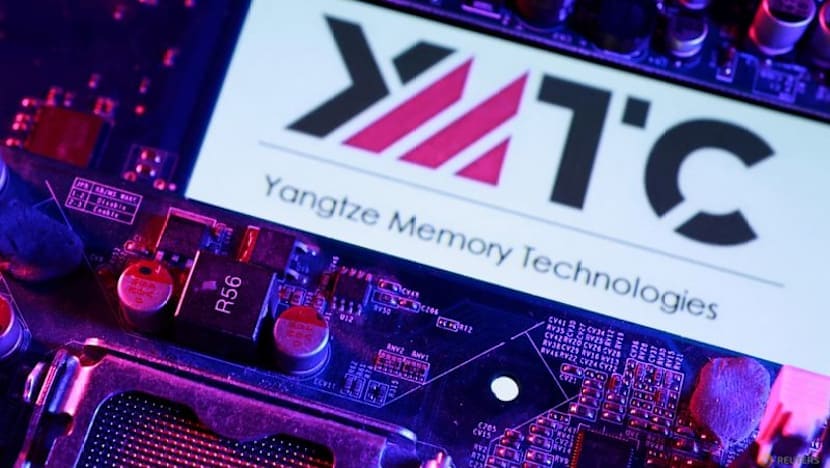
YMTC Files for $4.9 Billion Shanghai IPO as China Pushes Chip Self-Reliance
The flash-memory maker's listing would mark one of the largest offerings on Shanghai's STAR Market, following recent debuts by other state-backed technology champions.
KEY TAKEAWAYS
- ·Yangtze Memory Technologies filed to raise 33 billion yuan on Shanghai's STAR Market, which would rank among the exchange's largest technology offerings.
- ·The flash-memory chipmaker is a key part of China's semiconductor self-reliance strategy, particularly as U.S. export controls limit access to advanced chips and tools.
- ·The listing follows recent IPOs by ChangXin Memory Technologies and Unitree, reflecting strong investor appetite for strategic technology sectors in China.
Application Accepted for Major Tech Listing
Yangtze Memory Technologies Corp. has cleared the first hurdle toward what would become one of Shanghai's largest initial public offerings in the technology sector. The Shanghai Stock Exchange accepted the chipmaker's listing application on Friday, paving the way for a 33 billion yuan ($4.9 billion) share sale on the Nasdaq-style STAR Market.
YMTC specializes in NAND flash memory, the storage chips that power everything from smartphones to data centers. The company has emerged as a cornerstone of Beijing's push to build domestic alternatives to Western and South Korean semiconductor suppliers, particularly as trade restrictions have tightened access to advanced chips and manufacturing equipment.
Largest STAR Market Offerings
The proposed offering would rank among the STAR Market's biggest since the tech-focused board launched in 2019. That exchange was designed explicitly to channel capital toward strategic industries including semiconductors, artificial intelligence, and advanced manufacturing, with faster approval timelines and relaxed profit requirements compared to Shanghai's main board.
YMTC's filing follows a string of blockbuster listings by other Chinese technology firms. ChangXin Memory Technologies, known as CXMT, recently completed its own debut, raising capital to scale production of DRAM chips. Robotics company Unitree also went public in recent months, riding investor appetite for automation and artificial intelligence plays.
Strategic Timing Amid Chip Tensions
The timing reflects broader shifts in Asia's semiconductor landscape. China has funneled hundreds of billions of dollars into its chip sector over the past decade, aiming to reduce reliance on imports from the United States, Taiwan, South Korea, and Japan. Export controls imposed by Washington on advanced lithography tools and high-end chips have only intensified that urgency.
YMTC itself has navigated a turbulent geopolitical environment. The company was added to a U.S. trade restriction list in late 2022, limiting its access to American technology. Despite those headwinds, the firm has continued to ramp production at its facilities in Wuhan and has secured design wins with Chinese smartphone makers and cloud providers looking to diversify their supply chains.
What the Capital Will Fund
Proceeds from the IPO are expected to finance additional fabrication capacity and research into next-generation memory architectures. YMTC has been working to close the gap with industry leaders Samsung, SK hynix, and Micron, all of which command significant technological leads in density and performance. Moving to more advanced process nodes requires multi-billion-dollar investments in cleanroom infrastructure, extreme ultraviolet lithography tools where permissible, and extensive testing facilities.
The company's ability to attract this scale of funding on a domestic exchange underscores Beijing's determination to keep critical technology firms within its own capital markets. Chinese regulators have tightened scrutiny of overseas listings, particularly in the United States, steering high-profile companies toward Shanghai, Shenzhen, or Hong Kong instead.
Market Appetite and Execution Risk
Investor reception will hinge on YMTC's ability to demonstrate a credible path to profitability and technological parity. Memory chip markets are notoriously cyclical, with prices swinging on inventory levels and demand from consumer electronics and data-center customers. A downturn in global memory pricing could complicate valuation discussions and dampen retail enthusiasm.
Still, state-backed funds and strategic investors are expected to anchor the deal, providing a floor of support. The Chinese government has made clear that semiconductor self-sufficiency is a national priority, and flagship projects like YMTC enjoy both policy backing and preferential access to financing.
The STAR Market listing, if completed, will be closely watched across Asia's chip ecosystem. Success would validate the domestic fundraising model for other Chinese semiconductor firms eyeing public markets, while any stumble could prompt a reassessment of valuations in a sector already grappling with geopolitical and cyclical headwinds.
RELATED STORIES
Alibaba Raises $13 Billion in Hong Kong to Accelerate AI Infrastructure Push
Cheng Wei-Lun · 3 min
Alibaba Raises HK$80 Billion to Accelerate AI Infrastructure Build-Out
Cheng Wei-Lun · 3 min
Chinese Chipmaking Equipment Firm Piotech Reports 1,324% Jump in First-Half Profit
Cheng Wei-Lun · 3 min

International Traders Turn to Perpetual Futures for China Tech Exposure
Cheng Wei-Lun · 3 min
Spot something wrong? Email editor@briefasia.com. We log every correction publicly.