Finance · Markets
Washington Signals Readiness to Support Tokyo's Yen Defense
Treasury notifies major banks to prepare for possible currency action as dollar-yen swings threaten Asia-Pacific stability
KEY TAKEAWAYS
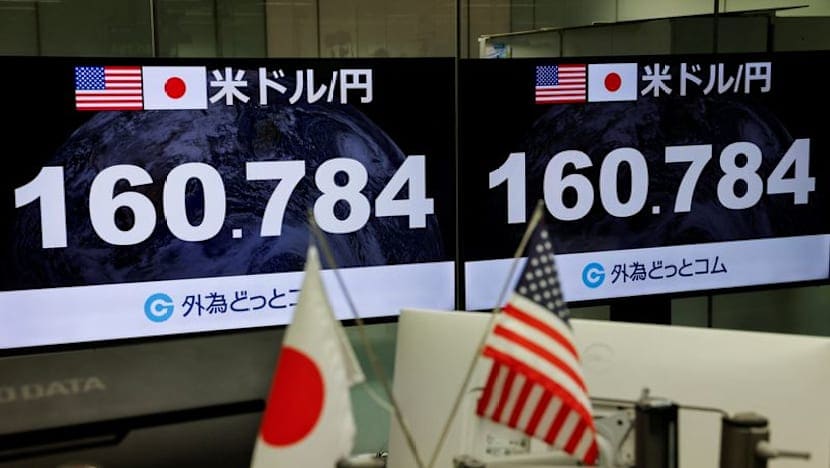
- ·The U.S. Treasury instructed major banks through the New York Fed to prepare for potential yen market intervention, following Japanese authorities' own currency operations that pulled the yen from four-decade lows to 159.09 per dollar.
- ·Treasury Secretary Bessent described the yen as significantly undervalued and praised Japan's economic policies, while Japan's currency diplomat hinted U.S. support extends beyond verbal backing to include preparatory market actions.
- ·The last direct U.S. intervention in yen markets occurred in 2011 during the G7 coordinated response to Japan's earthquake and tsunami crisis.
Coordinated Currency Defense
The U.S. Treasury has placed major financial institutions on notice to prepare for possible action in foreign exchange markets supporting the Japanese yen, according to a person with knowledge of the communication. The alert, delivered through the Federal Reserve Bank of New York, instructed banks to stand ready for further steps.
The notification arrived one day after Japanese authorities conducted their own market operations to halt the yen's slide. The currency had touched levels not seen in four decades against the dollar before authorities stepped in. Following news of Washington's potential involvement, the yen strengthened to 159.09 per dollar on Friday, recovering from Thursday's low of 163.65.
Atsushi Mimura, Japan's senior currency official, declined to confirm specific operations when asked Friday but indicated that American support extends beyond verbal encouragement. He referenced so-called rate checks, which involve dealers providing indicative price quotes and typically signal preparation for market action.
Mechanics and Precedent
The precise mechanism for any Treasury participation remains unclear. Since 2013, the Federal Reserve has maintained a standing dollar liquidity arrangement with the Bank of Japan and four other major central banks. Such infrastructure could facilitate coordinated operations if authorities decide to proceed.
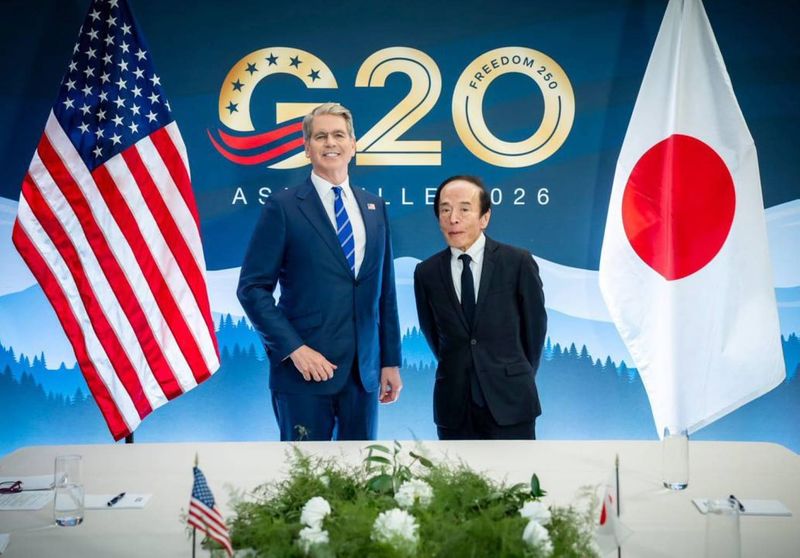
Treasury Secretary Scott Bessent stated on social media platform X that his department maintains close coordination with Japanese counterparts but stopped short of confirming intervention plans. He noted he would meet Bank of Japan Governor Kazuo Ueda at the G20 finance ministers gathering in Asheville, North Carolina, scheduled for late August.
In remarks to Fox Business Network on Thursday, Bessent described the yen as appearing significantly undervalued and praised Prime Minister Sanae Takaichi for pursuing policies that should strengthen Japan's economic fundamentals. He characterized excessive currency volatility as unhealthy and suggested the yen had moved well past equilibrium levels.
Market Response and Regional Stakes
Currency strategists see the Treasury communication as reinforcing the risk of further official action. Lee Hardman at MUFG in London noted that reports of New York Fed rate checks had already created nervousness among traders. The latest development compounds that unease and supports expectations that authorities remain willing to act.
The last instance of direct U.S. Treasury involvement in yen markets came in 2011, when Group of Seven nations mounted a coordinated effort to stabilize Japan's currency following the earthquake and tsunami that devastated the country. That intervention represented an exceptional response to crisis conditions.
More recently, Washington provided support for Argentina's peso ahead of parliamentary elections last fall, deploying a $20 billion currency swap line to steady the peso and Argentine dollar-denominated bonds. That operation drew on the Exchange Stabilization Fund, which held approximately $217 billion in assets as of June 30.
Asia-Pacific Implications
The potential for joint U.S.-Japan currency action carries significance beyond bilateral relations. A sharply weakened yen creates ripple effects across Asian export economies, altering competitive dynamics for manufacturers from South Korea to Thailand. It also complicates monetary policy decisions for central banks across the region as they balance inflation pressures against growth concerns.
Japan's economic performance under Governor Ueda's leadership has drawn positive assessments from Washington. Bessent specifically highlighted the Bank of Japan board's commitment to monetary and financial stability, a notable endorsement as Tokyo gradually normalizes policy after years of ultra-loose settings.
The coordination between Washington and Tokyo reflects shared concern that disorderly currency moves threaten broader financial stability. With the G20 meeting approaching, currency policy is likely to feature prominently in discussions among finance officials from major economies.
Currency markets will now watch whether Friday's alert translates into actual operations or serves primarily as a deterrent to speculative positioning. Either way, the message signals that both governments view recent yen weakness as having moved beyond acceptable bounds.
RELATED STORIES

Japan Wage Growth Hits 29-Year High, Reinforcing Central Bank Rate Path
Aiko Nakamura · 3 min
Bank of Japan Eyes Rate Increase as Inflation Risks Mount
Cheng Wei-Lun · 4 min
Bank of Japan Signals Possible Rate Increase This Month
Aiko Nakamura · 3 min

Bank of Japan Prepares Third Rate Increase in Ten Months
Aiko Nakamura · 3 min
Spot something wrong? Email editor@briefasia.com. We log every correction publicly.