Asia · Trade
Washington Presses Beijing on Rare-Earths Export Commitments
Treasury Secretary Bessent raises supply concerns in bilateral economic talks as Beijing pushes back on US trade restrictions
KEY TAKEAWAYS
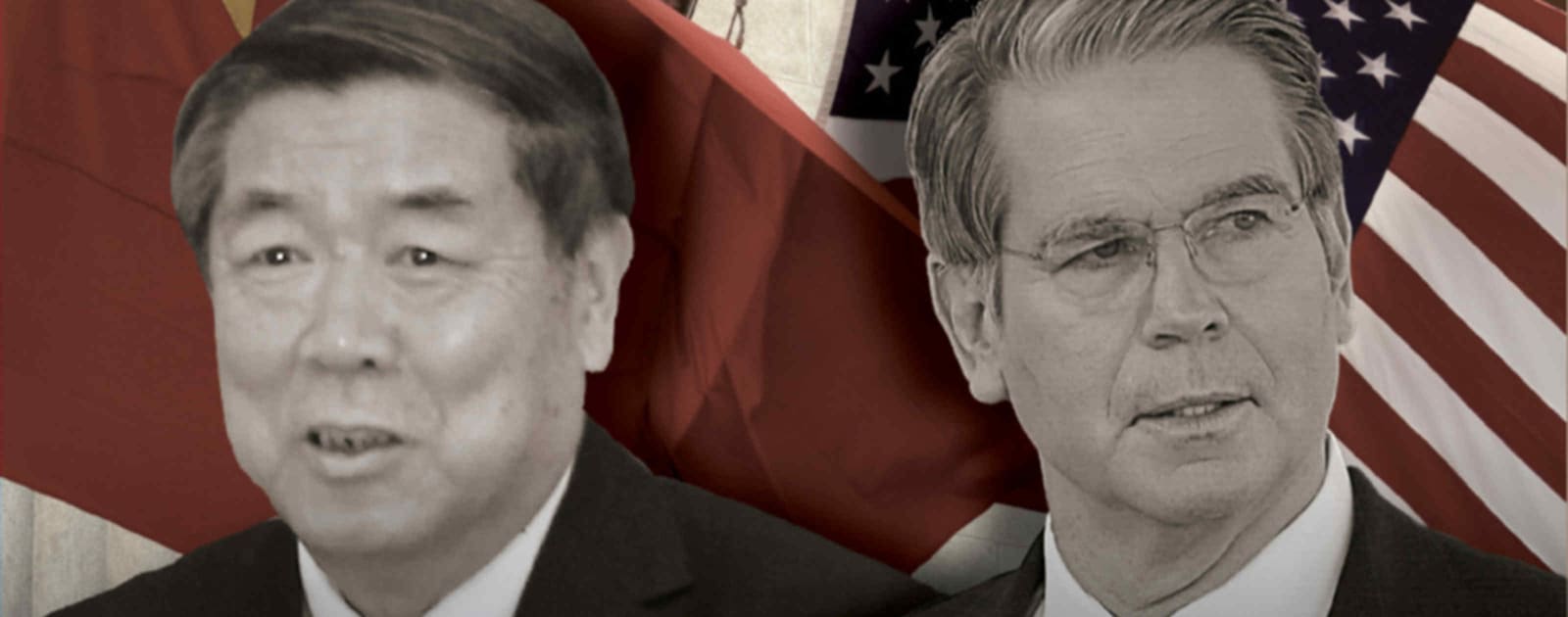
- ·US Treasury Secretary Scott Bessent urged Chinese Vice Premier He Lifeng to fully meet rare-earth export commitments during virtual economic talks on July 30, highlighting Washington's concerns over minerals critical to defense and technology sectors.
- ·Beijing raised serious concerns about American trade restrictions, including a recent robotics import ban, as China controls roughly 70 percent of global rare-earth mining and over 90 percent of processing capacity.
- ·The dialogue reflects ongoing US-China trade friction over strategic materials, with Asian manufacturers facing pressure to diversify supply chains as both sides maintain technology export controls and potential retaliation measures.
Virtual Talks Address Critical Minerals
US Treasury Secretary Scott Bessent pressed Chinese Vice Premier He Lifeng to fully honor commitments on rare-earth exports during virtual talks on July 30, according to Bessent. The exchange underscores Washington's anxiety over access to minerals essential for defense systems, electric vehicles, and advanced electronics.
The call between the two economic officials aimed to stabilize relations between the world's two largest economies, but highlighted persistent friction points. Rare-earth elements emerged as a central issue, with Bessent emphasizing the need for China to meet existing supply pledges.
China controls roughly 70 percent of global rare-earth mining and more than 90 percent of processing capacity. Any disruption to Chinese exports would ripple through supply chains from Tokyo to Detroit, affecting industries that depend on these 17 metallic elements for magnets, batteries, and precision components.
Beijing Raises Trade Grievances
He Lifeng used the meeting to voice what Beijing characterized as "serious concerns" about American trade restrictions. The Chinese side specifically referenced Washington's recent ban on robotics imports, part of a broader pattern of export controls targeting technology sectors.
The Ministry of Finance in Beijing confirmed the exchange but provided limited detail on the rare-earths discussion. Chinese officials have previously argued that export controls are legitimate tools of national security policy, a position that mirrors Washington's own justification for semiconductor and AI restrictions.
The timing of the call reflects both sides' interest in maintaining communication channels even as trade tensions deepen. Treasury-level dialogue offers a venue to address commercial disputes without the political heat of presidential summits or foreign ministry exchanges.
Asia Supply Chain Implications
The rare-earths question carries particular weight for Asia's manufacturing economies. Japan, South Korea, and Taiwan rely heavily on Chinese rare-earth supplies for electronics production. Vietnamese and Indonesian processing facilities have emerged as alternative sources, but lack China's scale and vertical integration.
Tokyo has invested in rare-earth recycling technology and diversified sourcing through partnerships with Australia and India. Seoul's battery makers have stockpiled critical minerals, anticipating potential supply disruptions. Still, no regional player has matched China's processing infrastructure built over three decades.
Washington has allocated funding through the Defense Production Act to develop domestic rare-earth capacity, but projects remain years from commercial production. The US imported 74 percent of its rare-earth compounds from China in 2025, according to the US Geological Survey.
What Comes Next
The Bessent-He dialogue sets the stage for potential cabinet-level meetings later this year. Both sides signaled willingness to continue talks, though neither announced concrete agreements or follow-up dates.
Trade analysts expect rare-earths to remain a flashpoint as Washington expands restrictions on technology exports and Beijing weighs retaliation options. China's Commerce Ministry has authority to restrict rare-earth exports under national security provisions enacted in 2023, though it has not invoked those powers broadly.
The semiconductor export controls that sparked Beijing's complaints show no sign of relaxation. The Biden administration added new restrictions on chip-making equipment sales to China in early 2026, and the current administration has maintained those rules while reviewing additional measures.
For Asian manufacturers, the message is clear: diversify supply chains and prepare for a prolonged period of US-China trade friction centered on strategic materials and advanced technology.
RELATED STORIES

GAC and FAW Explore Merger of Toyota Joint Ventures in China
Cheng Wei-Lun · 3 min
China Imposes Anti-Dumping Measures on Japanese Semiconductor Chemical Imports
Jun-ho Seo · 3 min
India's Chinese Import Bill Climbs Despite Self-Reliance Push
Priyanka V. Rao · 3 min
China's August Inflation Accelerates on Energy and Typhoon Disruption
Tran Quoc Bao · 2 min
Spot something wrong? Email editor@briefasia.com. We log every correction publicly.