Asia · Trade
Washington Eyes Polysilicon Tariffs in Dual Push Against Chinese Solar and Semiconductor Dominance
Trade measure would target critical material used in both photovoltaic panels and advanced chips as U.S. seeks manufacturing leverage
KEY TAKEAWAYS
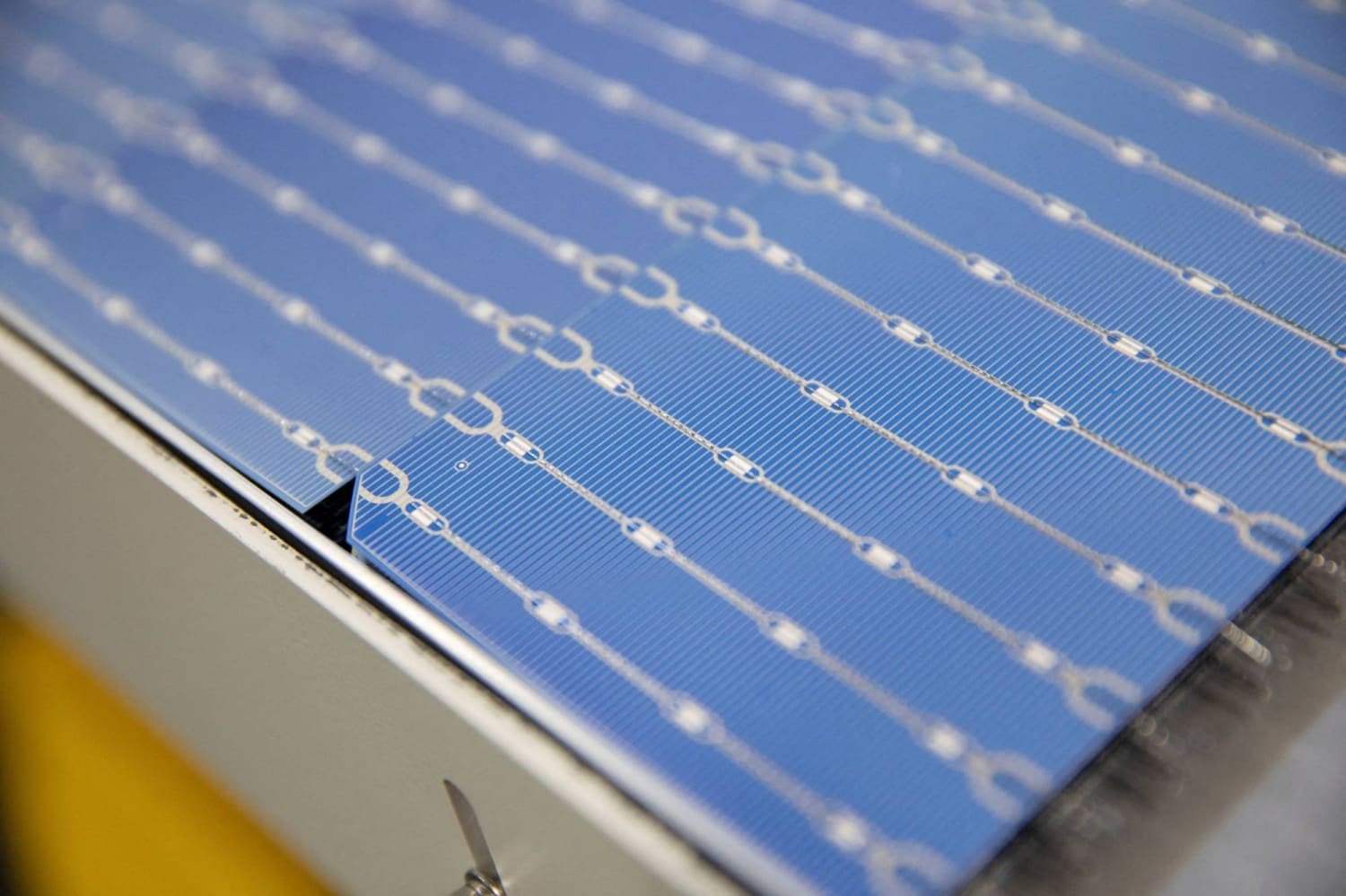
- ·The United States is considering tariffs on polysilicon imports, a material where China controls over 80 percent of global production capacity.
- ·The measure targets supply chains for both solar panels and semiconductor wafers, reflecting dual U.S. industrial priorities since 2022 tax incentives.
- ·Asian manufacturers in South Korea, Japan, and Southeast Asia face potential supply chain reconfiguration if tariffs raise domestic polysilicon costs.
A Strategic Material in the Crosshairs
The United States is weighing tariffs on polysilicon imports as part of a broader strategy to challenge China's dominance across two critical industries: solar energy and semiconductor manufacturing. The move would mark one of Washington's most direct attempts yet to leverage trade policy against a material that sits at the intersection of clean energy transition and advanced technology production.
Polysilicon, a refined form of silicon used in both photovoltaic cells and semiconductor wafers, has become a strategic chokepoint in global supply chains. China currently controls more than 80 percent of global polysilicon production capacity, with major facilities concentrated in Xinjiang and Inner Mongolia. That concentration has given Beijing significant influence over industries from renewable energy to consumer electronics.
The timing of the tariff consideration reflects Washington's dual industrial priorities. Since Congress enacted tax incentives for domestic solar manufacturing in 2022, U.S. production capacity has grown substantially, yet remains heavily dependent on imported polysilicon feedstock. Simultaneously, the CHIPS and Science Act has channeled tens of billions of dollars toward domestic semiconductor fabrication, creating parallel demand for high-purity polysilicon.
Supply Chain Vulnerabilities
The proposed tariffs would target a vulnerability that has troubled U.S. policymakers for years. While American firms such as Hemlock Semiconductor and REC Silicon maintain polysilicon production capabilities, their combined output represents a fraction of Chinese capacity. Wacker Chemie, the German manufacturer with U.S. operations, has also flagged cost pressures from Chinese competition.
Industry analysts note that polysilicon tariffs would affect downstream sectors differently. Solar panel manufacturers, many of which have recently expanded U.S. assembly operations, rely on cost-competitive polysilicon to maintain pricing advantages over imported modules. Higher input costs could slow the adoption rate of solar installations, potentially complicating federal climate targets.
Semiconductor fabs, by contrast, use ultra-high-purity polysilicon in smaller volumes but with far stricter quality specifications. Most leading-edge chip production already sources from a limited set of suppliers in the U.S., Germany, and Japan, insulating that segment from immediate tariff impact. The concern for chipmakers centers instead on potential Chinese retaliation targeting other materials or equipment.
Regional Implications
The tariff discussion has drawn attention across Asia, where polysilicon supply chains crisscross borders. South Korea's solar manufacturers, including Hanwha Q Cells, have invested in U.S. production facilities and would face higher input costs if domestic polysilicon prices rise. Japanese trading houses with stakes in polysilicon ventures, such as Mitsubishi Chemical's partnerships, are monitoring the policy debate closely.
Southeast Asian countries that serve as intermediate manufacturing hubs, particularly Malaysia and Vietnam, could see shifts in trade flows. Both nations host solar wafer and cell production lines that import Chinese polysilicon and export finished products to the U.S. Tariffs on the raw material might prompt reconfiguration of those supply chains, though the capital intensity of polysilicon production limits the speed of such shifts.
Taiwan's semiconductor ecosystem, while less exposed to polysilicon tariffs directly, views the measure as part of a broader pattern of U.S. trade policy aimed at decoupling critical technology inputs from Chinese supply. TSMC and other foundries have been urging their materials suppliers to establish redundant sourcing outside mainland China.
Domestic Manufacturing Realities
Expanding U.S. polysilicon capacity faces significant obstacles. Production requires substantial electricity, typically accounting for 40 percent of total manufacturing costs. Chinese producers benefit from state-subsidized power rates and vertically integrated supply chains that U.S. firms struggle to replicate.
Environmental and labor concerns add complexity. Much of Xinjiang's polysilicon output has come under scrutiny over allegations of forced labor, prompting the U.S. to ban imports from the region in 2021 under the Uyghur Forced Labor Prevention Act. Tariffs would extend that policy by raising costs on all Chinese polysilicon, regardless of origin province.
The tax incentives enacted in 2022 have spurred investment in solar module assembly and some upstream components, but polysilicon projects remain rare. The capital required to build a competitive polysilicon plant exceeds two billion dollars, with multi-year lead times. Without sustained policy support and price protection, few investors have committed to new U.S. capacity.
What Comes Next
Washington has not announced a timeline for tariff implementation, and industry consultations are ongoing. The U.S. Trade Representative's office and the Department of Commerce are both involved in the assessment, weighing national security arguments against economic costs to downstream manufacturers.
If tariffs move forward, they would likely be structured to phase in over several years, giving domestic producers time to scale and solar manufacturers time to adjust supply contracts. Exemptions or rebates for polysilicon used in semiconductor applications could be carved out to avoid disrupting chip production.
The broader question is whether tariffs alone can shift global polysilicon production. China's entrenched cost advantages and existing capacity make it a formidable competitor, even with trade barriers in place. For U.S. policy to succeed in reshaping supply chains, tariffs would need to be paired with sustained subsidies, long-term offtake agreements, and coordination with allies in Europe and Asia that share concerns about Chinese dominance in critical materials.
RELATED STORIES
Washington's Polysilicon Tariffs Set to Squeeze Korean Solar Producers
Cheng Wei-Lun · 3 min

Manila Eyes Nickel Processing to Escape China's Price Control
Priyanka V. Rao · 4 min
Midea Ships 200,000 Portable Air Conditioners to Europe in Six Months
Cheng Wei-Lun · 3 min

China's Star Fund Managers Lose Ground After Rotating Into AI Stocks
Cheng Wei-Lun · 4 min
Spot something wrong? Email editor@briefasia.com. We log every correction publicly.