Asia · Business
Vingroup Pushes Into Rail and Energy as Property Gains Offset VinFast Losses
Vietnam's largest conglomerate diversifies revenue streams while its electric vehicle unit continues burning cash
KEY TAKEAWAYS
- ·Vingroup posted a sharp rise in first-half net profit driven by robust property sales, providing capital for new infrastructure ventures.
- ·The conglomerate is expanding into urban railways and renewable energy projects while its VinFast EV unit remains unprofitable.
- ·Vietnam's Q2 economic growth reached 8.39 percent, but analysts question the sustainability of the government's 10 percent growth target.
Property Windfall Fuels Expansion
Vingroup delivered a sharp jump in first-half net profit, powered by strong property sales that provided the Vietnamese conglomerate with fresh capital to pursue infrastructure projects spanning urban rail systems and renewable energy. The earnings performance gives the group breathing room to absorb ongoing losses from VinFast, its electric vehicle subsidiary that has yet to turn profitable.
The Hanoi-based conglomerate disclosed the results as it accelerates diversification beyond its traditional real estate core. While property development remains the financial engine, Vingroup is channeling proceeds into capital-intensive sectors that could reshape Vietnam's infrastructure landscape over the next decade.
Infrastructure Bets Take Shape
Vingroup's infrastructure push includes urban railway projects designed to ease congestion in Vietnam's rapidly growing cities. The group is also moving into renewable energy, with solar installations and other clean-power initiatives aimed at tapping Southeast Asia's energy transition momentum.
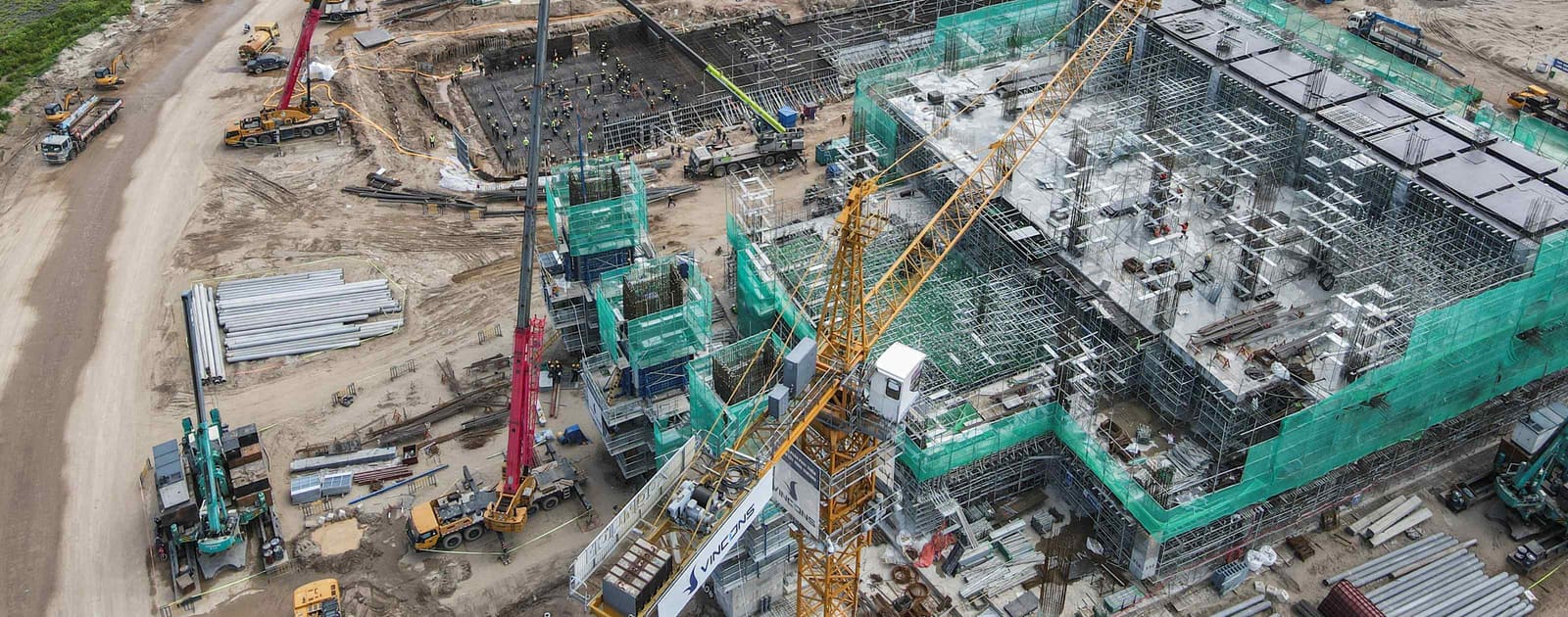
The company recently completed construction work at Hung Vuong Stadium in Hanoi, part of a broader urban development strategy that blends commercial property with public infrastructure. That project reflects Vingroup's ambition to position itself as a master developer capable of delivering large-scale civic works, not just residential towers and shopping malls.
Earlier this year, the conglomerate launched a $3.5 billion sea bridge connecting districts in Ho Chi Minh City, underscoring its appetite for marquee transport projects. The bridge is expected to cut travel times and unlock new commercial corridors in Vietnam's economic hub.
VinFast Remains a Drag
VinFast continues to weigh on group finances despite Vingroup's efforts to scale the EV brand across Asia. The unit has expanded into Kazakhstan and India, and recently introduced a $7,100 electric vehicle targeting Vietnam's underpenetrated car market. VinFast-backed taxi services are operating in multiple countries as the company attempts to build demand through ride-hailing partnerships.
Yet the EV business remains unprofitable, and Vingroup's willingness to sustain those losses hinges on steady cash flow from property sales. The conglomerate is effectively using real estate as a subsidy mechanism, a strategy that works as long as Vietnam's housing market stays buoyant.
Regional Energy Play
Beyond Vietnam, Vingroup is exploring renewable energy opportunities elsewhere in Southeast Asia. The group is piloting solar panels placed above fishponds in the Philippines, a dual-use model that generates electricity while maintaining aquaculture operations. The approach could appeal to governments seeking to expand renewable capacity without competing for scarce land.
Vingroup's energy ambitions align with regional decarbonization goals, but the capital requirements are substantial. Success will depend on the conglomerate's ability to secure project financing and navigate regulatory frameworks that vary widely across ASEAN markets.
Growth Targets Meet Economic Headwinds
Vietnam's economy grew 8.39 percent in the second quarter, according to official figures, yet analysts caution that the government's 10 percent growth target faces structural constraints. Vingroup's expansion plans are tied to the broader trajectory of Vietnam's economy; any slowdown in credit availability or consumer spending could crimp both property sales and infrastructure investment.
For now, the conglomerate is leveraging its dominant position in Vietnamese real estate to fund ventures that require patient capital and long payback periods. The strategy reflects confidence in Vietnam's long-term growth story, even as near-term volatility tests the durability of that bet.
RELATED STORIES

Vietnam Ships 1.7 Million Tonnes of Coffee as Brazil Delays and EU Rules Reshape Trade
Tran Quoc Bao · 3 min
Vietnam's Trade Turnover Hits $770 Billion as Imports Surge Past Exports
Jun-ho Seo · 2 min

Samsung's Vietnam Operations Post 23% Profit Jump to $2.3 Billion
Tran Quoc Bao · 3 min
Vietnam Bets $76 Billion Funding Gap Can Lure Capital Without Copying Rivals
Priyanka V. Rao · 4 min
Spot something wrong? Email editor@briefasia.com. We log every correction publicly.