Asia · Business
Vietnam's State Enterprises Exit Non-Core Assets Under Government Mandate
Hanoi's food conglomerate Vinafood 1 ordered to divest 14 subsidiaries as state firms reverse decades of diversification
KEY TAKEAWAYS
- ·Vietnam Northern Food Corporation must divest 14 subsidiaries and reduce stakes in others under a prime ministerial restructuring plan approved in late 2023.
- ·The mandate reverses decades of diversification by Vietnamese state-owned enterprises that built sprawling portfolios beyond core operations.
- ·Forced asset sales under government deadlines may depress valuations and test management capacity to execute complex divestitures across multiple entities.
Forced Exit from Diversification
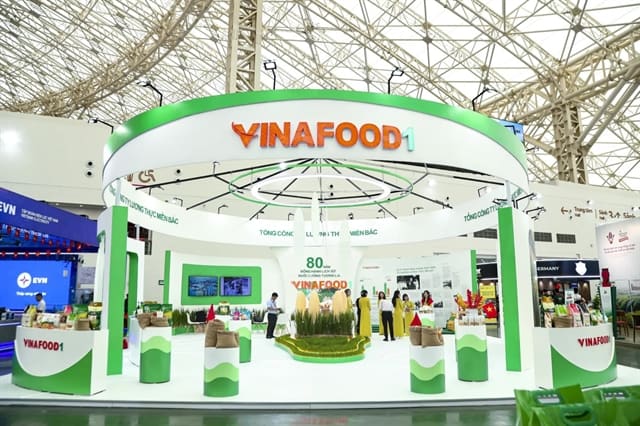
Vietnam Northern Food Corporation, known as Vinafood 1, faces a sweeping divestment mandate that will reshape the Hanoi-based state conglomerate. The prime minister approved a restructuring blueprint in late 2023 requiring Vinafood 1 to exit investments in 14 subsidiaries and affiliates outright, while trimming ownership stakes in additional holdings.
The directive represents a sharp reversal of the diversification playbook that Vietnamese state-owned enterprises followed for years. SOEs across the country built sprawling portfolios that often extended far beyond their original mandates, acquiring stakes in property ventures, finance firms, and unrelated industrial assets. That era is ending under government pressure to refocus capital on core operations.
Vinafood 1 operates in grain procurement, milling, and distribution. The company's current portfolio stretches into ventures that regulatory authorities now deem peripheral. The restructuring order compels management to unwind these positions and concentrate resources on the food supply chain.
Broader SOE Retrenchment
Vinafood 1 is not alone. State enterprises nationwide are under similar pressure to streamline. Authorities have signaled that capital efficiency and operational focus will be the new benchmarks for SOE performance, replacing the growth-at-any-cost mentality that drove conglomerate expansion in previous decades.
The restructuring wave targets bloated balance sheets and cross-holdings that obscure accountability. Many SOEs accumulated minority stakes in dozens of unrelated entities, creating governance tangles and diluting management attention. Regulators now want clean corporate structures with transparent ownership and measurable performance in defined sectors.
For Vinafood 1, the divestment timeline and financial impact remain unclear. The company must navigate asset sales in a market where state-owned stakes often trade at discounts due to governance concerns and limited liquidity. Buyers may demand steep haircuts, particularly for subsidiaries in crowded or slow-growth industries.
Strategic Realignment
The government's rationale centers on improving SOE competitiveness. By forcing divestments, authorities aim to free up capital for reinvestment in primary business lines and reduce the drag from underperforming subsidiaries. The strategy also addresses concerns that sprawling portfolios make state firms vulnerable to contagion when individual units face distress.
Vietnam's SOE sector remains substantial, accounting for a significant share of economic output and employment. Restructuring at scale carries risks. Forced asset sales could depress valuations, erode balance sheets, and trigger job cuts at divested units. Authorities must balance the drive for efficiency against the social and fiscal costs of rapid retrenchment.
Regional investors are watching closely. Vietnam's SOE reform trajectory will influence perceptions of the country's investment climate and its commitment to market-oriented policies. Successful restructuring could attract capital to newly focused state champions. Missteps risk entrenching skepticism about governance and the pace of economic liberalization.
Execution Challenges
Vinafood 1 and its peers face practical hurdles. Identifying buyers for non-core assets takes time, particularly when sellers operate under government deadlines that limit negotiating leverage. Some subsidiaries may lack standalone viability, forcing parent companies to absorb losses or seek state budget support for orderly wind-downs.
The restructuring mandate also tests the capacity of state enterprise boards and management teams. Divesting 14 entities demands legal, financial, and operational coordination. Companies must untangle shared services, settle intercompany accounts, and ensure divested units can function independently post-sale.
For Vietnam's broader SOE landscape, the Vinafood 1 case signals a new discipline. The days of empire-building through indiscriminate acquisitions are over. State firms must now prove they can generate returns within tightly defined boundaries, or face continued pressure to shrink further.
RELATED STORIES
Vietnam Draws $7.5 Billion From Singapore in Seven Months
Priyanka V. Rao · 3 min

Vietnam Ships 1.7 Million Tonnes of Coffee as Brazil Delays and EU Rules Reshape Trade
Tran Quoc Bao · 3 min
Vietnam's Trade Turnover Hits $770 Billion as Imports Surge Past Exports
Jun-ho Seo · 2 min

Samsung's Vietnam Operations Post 23% Profit Jump to $2.3 Billion
Tran Quoc Bao · 3 min
Spot something wrong? Email editor@briefasia.com. We log every correction publicly.