Asia · Trade
Vietnam's Loc Troi Exports Rice Seed Technology to Myanmar
The Mekong Delta agribusiness is pushing Vietnamese crop varieties across Southeast Asian markets as part of a broader regional expansion strategy.
KEY TAKEAWAYS
- ·Loc Troi Group is introducing Vietnamese rice varieties to Myanmar, expanding beyond domestic markets into regional seed technology.
- ·The move positions Vietnam as a supplier of agricultural genetics in ASEAN, competing with Thai and multinational seed providers.
- ·Success in Myanmar could open pathways for Vietnamese agribusiness firms to scale technology exports across Southeast Asia.
Vietnamese Seeds Cross Borders
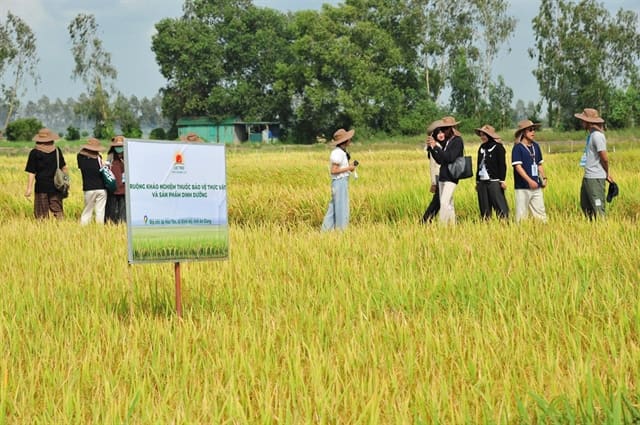
Loc Troi Group has begun introducing Vietnamese rice varieties to Myanmar, a move that positions the Mekong Delta agribusiness as a regional exporter of crop genetics and cultivation know-how. The company is leveraging decades of domestic breeding experience to penetrate markets where rice farming remains a cornerstone of rural livelihoods and national food security.
Myanmar, one of Southeast Asia's largest rice producers, has historically relied on traditional varieties and imported seed technology from Thailand and India. The arrival of Vietnamese genetics opens a new competitive front in a region where crop yield, disease resistance, and climate adaptability increasingly determine market share.
Strategic Foothold in ASEAN Agriculture
Loc Troi's expansion into Myanmar follows a pattern of Vietnamese agricultural firms seeking scale beyond a saturated domestic market. Vietnam exported over 8 million metric tons of rice in 2025, making it one of the world's top three exporters, but margins have thinned as global prices fluctuated and production costs rose. Seed technology and upstream agricultural services offer higher-margin opportunities than commodity grain trading.
The company has not disclosed the specific varieties being tested in Myanmar or the scale of initial trials. However, the move aligns with Vietnam's broader push to position itself as a supplier of agricultural inputs and expertise across ASEAN, particularly in countries with large smallholder farming sectors and aging crop genetics.
Myanmar's rice sector has faced headwinds in recent years, including export disruptions, currency volatility, and inconsistent policy support. International buyers have shifted sourcing to more stable origins, creating pressure on local producers to improve quality and consistency. Seed upgrades represent one path toward regaining competitiveness in regional and global markets.
Regional Competition and Technology Transfer
Vietnam's seed industry has matured over the past two decades, driven by state research institutes and private firms that adapted international genetics to local growing conditions. Loc Troi, founded in 1993 and listed on the Ho Chi Minh Stock Exchange, has invested heavily in breeding programs and farmer extension networks across the Mekong Delta.
The company's regional strategy places it in competition with Thai and Cambodian seed suppliers, as well as multinational agribusinesses with established distribution channels. Success in Myanmar will depend on field performance under local conditions, pricing relative to alternatives, and the ability to build trust with farmers accustomed to saving seed or buying from traditional networks.
ASEAN governments have encouraged cross-border agricultural collaboration as part of regional food security initiatives, but regulatory barriers, phytosanitary standards, and intellectual property frameworks vary widely. Seed companies navigating multiple markets must balance commercial ambitions with compliance and relationship-building at the ministerial level.
What Comes Next
Loc Troi's Myanmar entry represents a test case for whether Vietnamese agricultural firms can translate domestic success into regional influence. If the varieties prove adaptable and the company establishes a reliable supply chain, Myanmar could serve as a launchpad for further expansion into Laos, Cambodia, and even South Asia.
The broader question is whether Vietnam's agricultural sector can shift from volume-driven commodity exports to technology and service exports that capture more value. Seed genetics, farm management software, and post-harvest processing are all areas where Vietnamese firms have built capabilities but have yet to scale internationally.
For Myanmar's farmers, the introduction of new rice varieties offers potential upside in yield and resilience, but also underscores the country's dependence on external technology providers. The balance between importing innovation and nurturing domestic research capacity will shape the sector's trajectory for years to come.
Regional rice markets are watching closely. If Loc Troi's gambit succeeds, it may accelerate a wave of Vietnamese agricultural investment across Southeast Asia, reshaping competitive dynamics in one of the world's most important food baskets.
RELATED STORIES
Five ASEAN Members Back Regional Oil Stockpile as Study Nears Completion
Tran Quoc Bao · 3 min

Southeast Asian Firms Overlook Digital Pact Worth USD 2 Trillion
Lim Hui Ying · 4 min

Vietnam Bets $76 Billion Funding Gap Can Lure Capital Without Copying Rivals
Priyanka V. Rao · 4 min

Vietnam Draws $7.5 Billion From Singapore in Seven Months
Priyanka V. Rao · 3 min
Spot something wrong? Email editor@briefasia.com. We log every correction publicly.