Sustainability · Energy
Vietnam Pushes for Faster Hydrogen Development Amid Energy Transition
Industry experts and policymakers converge on roadmap to position Southeast Asian nation as regional clean energy player
KEY TAKEAWAYS
- ·Vietnam is developing a hydrogen industry framework to leverage over 20 gigawatts of renewable capacity and coastal infrastructure for regional export.
- ·The country lacks a dedicated hydrogen strategy and clear power purchase structures, while neighbors like South Korea and Malaysia advance with multi-billion dollar commitments.
- ·A draft policy framework is expected in Q4 2025, with progress measured by electrolyzer projects, offtake agreements, and grid access reforms by mid-2026.
Building the Foundation
Vietnam's push to develop a domestic hydrogen industry has moved from aspiration to active planning. A recent gathering of energy sector stakeholders in Hanoi underscored the urgency: the country must close significant infrastructure and regulatory gaps if it hopes to participate meaningfully in the regional hydrogen economy taking shape across Northeast and Southeast Asia.
The timing reflects broader momentum. South Korea has committed $43 billion to hydrogen infrastructure through 2030. Japan imports liquefied hydrogen from Australia under long-term contracts. Singapore positions itself as a bunkering hub for ammonia-fueled ships. Vietnam, with its renewable energy potential and coastal access, sees an opening but lacks the institutional framework and capital deployment those neighbors enjoy.
Policy and Investment Gaps
Participants at the seminar identified three bottlenecks. First, Vietnam has no dedicated hydrogen strategy document, unlike Thailand's national roadmap released in 2023 or Indonesia's green hydrogen pilot zones. Second, the existing power purchase agreement structure does not accommodate the intermittent renewable generation needed to produce green hydrogen economically. Third, foreign investors cite unclear land-use rights and offtake guarantees as barriers to committing capital for electrolyzer plants or port facilities.
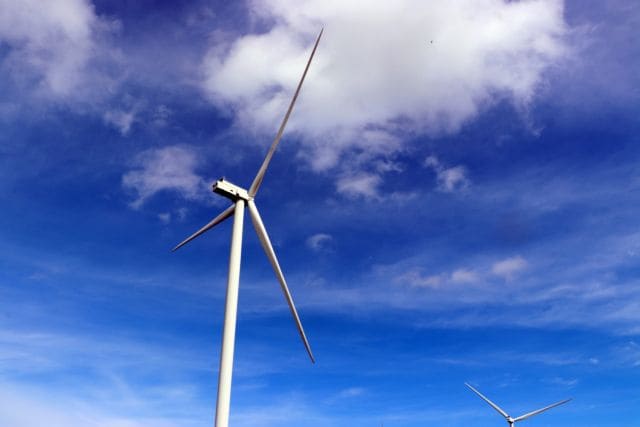
The country's installed solar and wind capacity exceeds 20 gigawatts, much of it curtailed during low-demand periods. Industry observers note that redirecting curtailed power to hydrogen production could create a revenue stream while building export capability, but the grid operator has not yet published technical standards for grid-connected electrolysis at scale.
Regional Context and Trade Routes
Vietnam's geography offers advantages. Proximity to potential demand centers in Japan, South Korea, and Taiwan reduces shipping costs for hydrogen carriers. Existing liquefied natural gas terminals in Ba Ria-Vung Tau and Thi Vai could be retrofitted for ammonia imports or exports with incremental investment. Port infrastructure in Hai Phong and Da Nang has handled bulk chemical shipments for years, providing a foundation for hydrogen logistics.
Yet the window for first-mover advantage is closing. Malaysia announced a joint venture with a European electrolyzer manufacturer in early 2025. The Philippines signed a memorandum of understanding with an Australian hydrogen exporter in March. Vietnam's slower regulatory pace risks ceding market share in a sector where early supply agreements and infrastructure commitments create lock-in effects.
Next Steps and Stakeholder Roles
Energy ministry officials at the seminar indicated that a draft hydrogen policy framework will circulate for comment in the fourth quarter. The document is expected to address production incentives, safety standards, and export licensing. State-owned PetroVietnam has signaled interest in piloting blue hydrogen production using natural gas with carbon capture at its existing facilities, though environmental groups argue that green hydrogen from renewables should receive priority.
Private sector participants called for transparent permitting timelines and bankable offtake structures. Several foreign engineering firms expressed willingness to finance demonstration projects if the government guarantees grid access for renewable power and streamlines customs procedures for imported equipment.
The seminar also highlighted workforce development. Vietnam's technical universities produce thousands of electrical and chemical engineering graduates annually, but few have training in electrolyzer operation, hydrogen safety protocols, or fuel cell integration. Establishing certification programs and partnerships with institutions in Germany and Japan was proposed as a near-term action.
Measuring Progress
Observers will watch whether the draft policy translates into concrete projects by mid-2026. Key indicators include the number of electrolyzer megawatts under construction, signed offtake agreements with international buyers, and amendments to the power law enabling dedicated renewable-to-hydrogen tariffs. Without visible progress on these fronts, Vietnam risks remaining a spectator as neighbors capture investment and build supply chains that will define Asia's hydrogen trade for decades.
RELATED STORIES
Southeast Asian Firms Race to Raise Green Debt as Region Falls Behind on Renewables
Priyanka V. Rao · 3 min

Laos Hydropower Faces Solar and Wind Competition as Regional Grid Expands
Tran Quoc Bao · 4 min

Vietnam Pursues Deeper Capital Market Ties with London
Tran Quoc Bao · 3 min

Vietnam Ships 1.7 Million Tonnes of Coffee as Brazil Delays and EU Rules Reshape Trade
Tran Quoc Bao · 3 min
Spot something wrong? Email editor@briefasia.com. We log every correction publicly.