Asia · Business
Vietnam Eyes Second LNG Supply Contract as Energy Transition Accelerates
State-owned Petrovietnam Gas explores multi-year deal for up to 450,000 tons annually, signaling deepening commitment to natural gas infrastructure
KEY TAKEAWAYS
- ·Petrovietnam Gas is gauging supplier interest for a five-year LNG contract covering 250,000 to 450,000 metric tons per year starting January 2027.
- ·The state gas distributor awarded its first term deal to Shell in January 2026 for roughly 400,000 tons annually through 2031.
- ·Vietnam operates two southern LNG terminals with Thi Vai expanding from 1 million to 3 million tons per year capacity to support gas-fired power growth.
Market Sounding Signals Growing Appetite
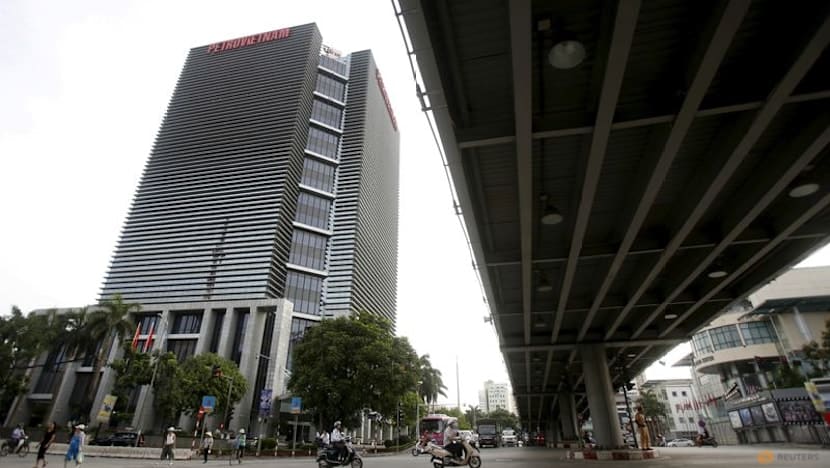
State-controlled Petrovietnam Gas has approached potential suppliers to assess interest in a five-year liquefied natural gas supply agreement, according to documentation seen by Reuters. The market sounding exercise, circulated in June, seeks between 250,000 and 450,000 metric tons annually for delivery to the Thi Vai Terminal beginning January 2027 or afterward.
No formal tender has been issued yet. The move represents the next step in Vietnam's push to establish term LNG procurement after decades of relying on domestic gas fields and coal-fired generation. The country has operated its receiving terminals exclusively on spot cargoes until this year, leaving it exposed to price volatility and supply disruptions.
Shell Deal Sets Precedent
Petrovietnam Gas awarded its inaugural term contract to Shell in January 2026, according to the company. Under that agreement, the British energy major will deliver approximately 400,000 tons per year from 2027 through 2031 to Vietnamese terminals. The five-year arrangement marked a shift toward more predictable supply chains for the Southeast Asian nation's expanding gas-fired power fleet.
The Shell contract was finalized as Hanoi pursued measures to narrow its trade surplus with Washington, including commitments to purchase American LNG. Despite those discussions, no term agreement with U.S. suppliers has materialized. Trade negotiations between the two governments continue as Vietnam confronts steeper U.S. tariffs than regional competitors, complicating efforts to balance energy security with trade diplomacy.
Infrastructure Expansion Underpins Demand
Vietnam currently operates two LNG import terminals, both in the southern region. Thi Vai Terminal, managed by Petrovietnam Gas, has a nameplate capacity of 1 million tons per year and is undergoing expansion to 3 million tons annually, according to the company. The facility supplies two power plants with a combined generating capacity of 1.5 gigawatts, anchoring gas demand in the industrial corridor southeast of Ho Chi Minh City.
The second terminal, Cai Mep, is owned by AG&P LNG and can handle 3 million tons per year. Both facilities have sourced cargoes on the spot market since commissioning, a strategy that offered flexibility during ramp-up phases but left operators vulnerable to price swings in global LNG markets.
Coal Retreat Drives Gas Buildout
The push for additional LNG contracts aligns with Vietnam's broader energy policy goals. Hanoi aims to reduce coal's share of the generation mix and lower carbon emissions, a challenge for a manufacturing economy that has added industrial capacity at double-digit rates over the past decade. Natural gas is positioned as a transition fuel, bridging the gap until renewable capacity scales sufficiently to meet baseload demand.
Vietnam's power sector has historically leaned on coal and hydroelectricity, but recent droughts have constrained hydro output and environmental concerns have slowed new coal plant approvals. Gas-fired generation offers dispatchable capacity with roughly half the carbon intensity of coal, making it a pragmatic near-term option for grid reliability.
Regional Context and Competitive Dynamics
Across Southeast Asia, governments are racing to secure LNG supplies as domestic gas reserves deplete. Thailand, Singapore, and the Philippines have all expanded import infrastructure in recent years, intensifying competition for cargoes from established suppliers in Australia, the Middle East, and the United States. Vietnam's entry into the term contract market puts it in direct competition with more mature buyers, raising the stakes for price negotiations and delivery slot availability.
The timing of Vietnam's second contract tender will be closely watched by global LNG traders. If Petrovietnam Gas moves forward with a formal solicitation in the coming months, it could attract bids from portfolio players seeking to lock in Asian demand amid uncertain European appetite and slowing Chinese import growth. The outcome will offer a clearer signal of how Vietnam balances cost, supply security, and geopolitical considerations in its energy transition.
Petrovietnam Gas has not publicly commented on the timeline for issuing a formal tender or the criteria that will guide supplier selection. Industry observers expect any final agreement to hinge on pricing structures, flexibility provisions, and the ability to scale volumes as additional terminal capacity comes online.
RELATED STORIES
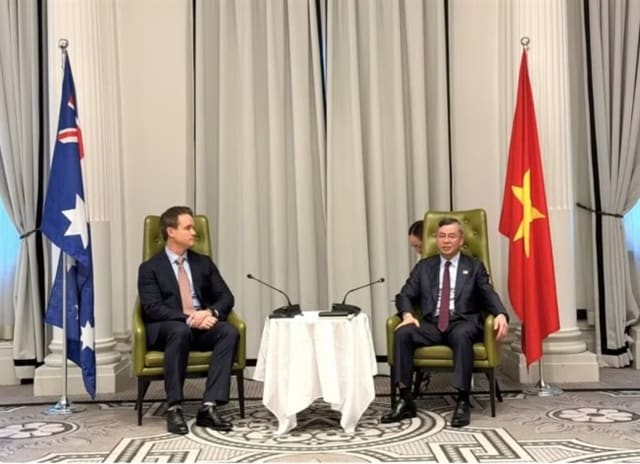
Vietnam and Australia Eye Deeper Ties in Rice Production and Processing
Priyanka V. Rao · 4 min
Vietnam Redraws State Ownership Lines in SOE Overhaul
Tran Quoc Bao · 2 min
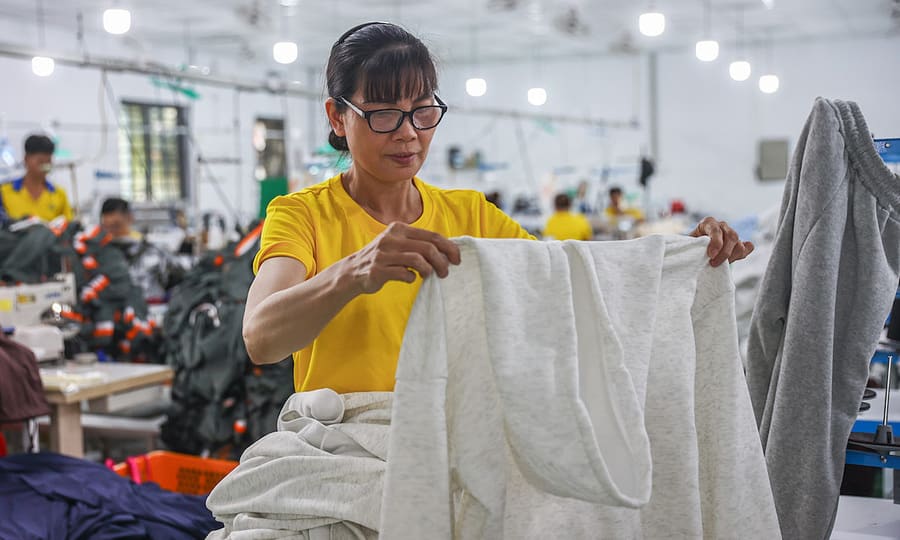
Vietnam Textile Exports Climb to $27 Billion as Upstream Production Gains Momentum
Priyanka V. Rao · 3 min

Vietnam Pours Capital Into Laos as Vientiane Seeks Relief From Beijing Debt
Priyanka V. Rao · 4 min
Spot something wrong? Email editor@briefasia.com. We log every correction publicly.