Finance · Markets
US Treasury Signals Pressure on Bank of Japan for September Rate Move
Scott Bessent's comments following coordinated yen intervention heighten expectations for monetary policy shift
KEY TAKEAWAYS
- ·US Treasury Secretary Scott Bessent stated he expects policy follow-up after coordinated yen intervention, with markets now pricing 68 percent odds of a September rate increase by the Bank of Japan.
- ·Japanese authorities spent an estimated ¥5.5 trillion on currency operations since July, helping the yen recover from 165 per dollar to around 155 following intervention.
- ·A September rate hike to 0.40 percent would mark Japan's third policy adjustment in the post-pandemic normalization cycle, with implications for regional currency dynamics and capital flows across Asia.
Washington Weighs In
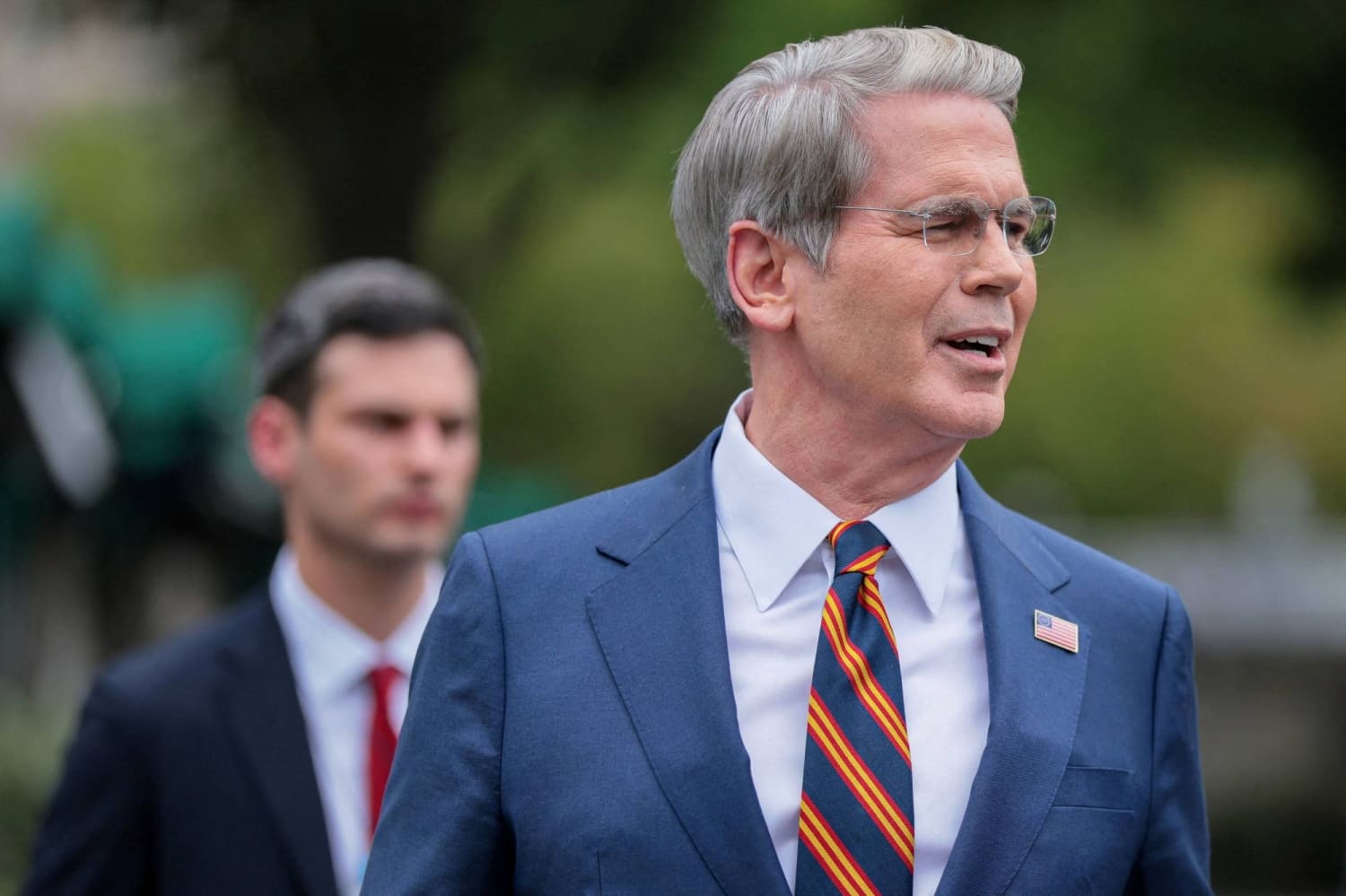
US Treasury Secretary Scott Bessent has publicly stated his expectation for policy action following coordinated intervention to bolster the yen, according to the Treasury Department. The remarks add a new dimension to ongoing speculation about the Bank of Japan's next monetary policy decision, with markets now pricing in heightened odds of a rate adjustment at the central bank's September meeting.
The statement marks an unusually direct comment from a US Treasury official on Japanese monetary policy timing. Bessent's language suggests Washington views recent currency intervention as incomplete without accompanying domestic policy measures from Tokyo.
Intervention Context
The coordinated intervention Bessent referenced involved joint action by Japanese authorities and international partners to arrest the yen's slide against major currencies. The Japanese Ministry of Finance has spent an estimated ¥5.5 trillion on currency market operations since July, though exact figures remain unconfirmed.
Currency traders have watched the yen's trajectory closely throughout 2026. The currency weakened past 165 per dollar in late July before authorities stepped in. Following intervention, the yen recovered to around 155 per dollar, but sustainability of that rebound depends partly on interest rate differentials between Japan and other major economies.
Market Expectations Shift
Bessent's comments have catalyzed a reassessment among fixed-income traders. Swap markets now indicate a 68 percent probability of a 15-basis-point rate increase at the Bank of Japan's September 19-20 policy meeting, up from 52 percent before the Treasury Secretary's statement. That would lift the policy rate from its current 0.25 percent to 0.40 percent.
Japanese government bond yields have responded accordingly. The 10-year JGB yield climbed 4 basis points to 1.12 percent in Tokyo trading, reflecting expectations for tighter monetary conditions ahead.
Domestic Policy Considerations
Bank of Japan Governor Kazuo Ueda has maintained that policy adjustments will depend on data, particularly wage growth and inflation trends. Core consumer price inflation in Japan stood at 2.6 percent year-on-year in June, above the central bank's 2 percent target for the sixteenth consecutive month.
Spring wage negotiations delivered the strongest pay increases in three decades, with major companies agreeing to average raises of 5.1 percent. That outcome has given the central bank more confidence that inflation is becoming entrenched rather than transitory.
The central bank raised rates by 15 basis points in July, the first increase since March. At that meeting, policymakers signaled further normalization would proceed cautiously, contingent on economic conditions.
Regional Implications
A September rate increase would mark the third adjustment in Japan's post-pandemic monetary policy normalization cycle. The shift carries implications beyond Japanese markets. Regional currencies have historically moved in sympathy with yen strength, particularly the Korean won and Taiwan dollar.
Asian central banks are monitoring Tokyo's policy trajectory for signals about the broader regional monetary cycle. If the Bank of Japan continues tightening while the Federal Reserve holds rates steady or cuts, interest rate differentials that have shaped capital flows for years would narrow.
Export-oriented manufacturers across Asia are also watching closely. A stronger yen affects competitiveness for Japanese automakers and electronics producers, potentially shifting market share dynamics in key export markets from Southeast Asia to North America.
Forward Outlook
Whether the Bank of Japan acts in September remains contingent on data released between now and the policy meeting. July employment figures, due August 28, and August inflation data, scheduled for September 19, will be particularly scrutinive.
Bessent's comments suggest the US administration views Japanese monetary policy normalization as aligned with broader currency stability objectives. That political dimension adds a layer of complexity to what the Bank of Japan has framed as a data-dependent process.
Market participants will parse statements from BOJ board members in coming weeks for hints about the September decision. Governor Ueda is scheduled to speak at a regional banking conference in Osaka on August 22, an event that typically offers insight into near-term policy thinking.
RELATED STORIES
Bank of Japan Signals Willingness to Accelerate Rate Hikes Amid Rising Inflation Concerns
Aiko Nakamura · 3 min
Yen Slides Back Toward 160 as Joint Intervention Fades
Cheng Wei-Lun · 3 min

US and Japan Stage First Joint Yen Intervention in 28 Years
Cheng Wei-Lun · 3 min

Japan's Megabanks Build $1.25 Trillion Dollar Cushion
Aiko Nakamura · 3 min
Spot something wrong? Email editor@briefasia.com. We log every correction publicly.