Asia · Trade
US Treasury Joins Japan in Yen Market Intervention
Scott Bessent's move to support the Japanese currency reflects mounting concern over spillover effects into the $31 trillion Treasuries market

KEY TAKEAWAYS
- ·The US Treasury joined Japan in purchasing yen on Friday, the first joint intervention since 2011, driven by concerns over spillover into the $31 trillion Treasuries market.
- ·Japan holds approximately $1.1 trillion in US government debt, making yen stability a strategic priority for Washington as borrowing costs remain elevated.
- ·The move positions the US to demand policy concessions from Tokyo on interest rate normalization and trade, with negotiations expected in coming weeks.
Coordinated Currency Move
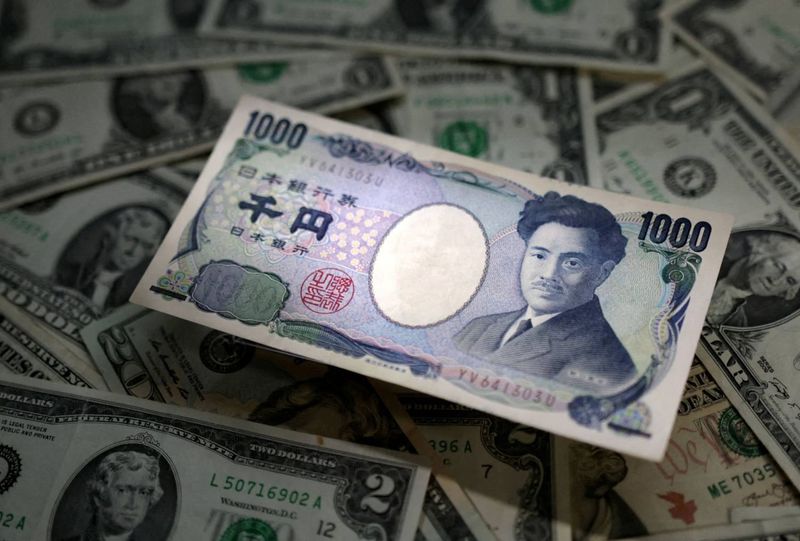
The United States entered the foreign exchange market Friday alongside Japan to purchase yen, marking a rare joint intervention that underscores how Tokyo's currency troubles have become Washington's problem. Treasury Secretary Scott Bessent authorized the operation after months of signaling that volatility in Japanese markets poses direct risks to US government debt.
The coordinated purchase represents the first time the US has intervened in yen markets since 2011, when the Group of Seven nations acted together following Japan's earthquake and tsunami. This time, the catalyst is financial rather than humanitarian: a weakening yen that threatens to destabilize flows into Treasuries.
Bessent has repeatedly warned that turbulence in Japan's bond and currency markets could trigger contagion across the Pacific. Japan holds approximately $1.1 trillion in US Treasuries, making it the largest foreign creditor to Washington. A disorderly yen slide would force Japanese institutional investors to reassess their dollar-denominated holdings, potentially withdrawing capital at a moment when US borrowing costs are already elevated.
Pressure Points
The intervention arrives as trade tensions between Washington and Tokyo simmer beneath the surface. US officials have long pressed Japan to allow its currency to strengthen, arguing that an artificially weak yen gives Japanese exporters an unfair advantage in American markets. By stepping in to support the yen now, Bessent may be positioning the US to demand reciprocal concessions on trade and monetary policy.
Japan's Ministry of Finance declined to specify the scale of Friday's operation, citing standard practice around market interventions. Currency traders in Singapore and London noted sharp moves in dollar-yen pairs during Asian trading hours, with the yen strengthening roughly 2.3 percent before settling back. The Bank of Japan, which has kept interest rates near zero despite inflation running above its 2 percent target, has faced criticism for allowing the yen to drift lower.
The timing of the US involvement is significant. Bessent's Treasury has been navigating a delicate balance: supporting the dollar's reserve currency status while preventing foreign holders from dumping Treasuries in response to domestic US fiscal concerns. Japan's role as a buyer of last resort for US debt makes its financial stability a strategic priority for Washington.
Rate Divergence
The root of Japan's currency pressure lies in the widening gap between US and Japanese interest rates. While the Federal Reserve has held its benchmark rate above 4 percent to combat inflation, the Bank of Japan has resisted tightening, wary of choking off a fragile economic recovery. That divergence makes dollar-denominated assets more attractive, pulling capital out of yen and weakening the Japanese currency.
A persistently weak yen raises import costs for Japan, feeding inflation and eroding purchasing power for households. It also complicates the Bank of Japan's exit strategy from ultra-loose monetary policy, since raising rates too quickly could trigger a bond market rout. Tokyo has spent tens of billions of dollars in solo interventions over the past two years, with limited lasting effect.
US participation changes the calculus. Markets now understand that Washington has a stake in yen stability, which may deter speculative attacks on the currency. But the move also opens Bessent to criticism that he is bailing out a competitor economy while American manufacturers complain about an unlevel playing field.
What Comes Next
The intervention sets the stage for deeper negotiations over monetary and trade policy between the two allies. Washington is expected to press Tokyo for commitments on interest rate normalization and structural reforms that would reduce Japan's reliance on export-driven growth. In exchange, the US may offer continued support in currency markets and a softer stance on tariffs affecting Japanese automakers and electronics firms.
Currency interventions rarely produce lasting results without underlying policy shifts. If the Bank of Japan continues to hold rates near zero while the Fed maintains a restrictive stance, the fundamental pressure on the yen will persist. Traders will be watching for signals from Tokyo on whether Governor Kazuo Ueda is prepared to accelerate the timeline for rate hikes.
For Bessent, the yen rescue is a calculated gamble. Stabilizing Japanese markets protects the Treasuries complex, but it also ties US credibility to the success of Japan's monetary normalization. If Tokyo stumbles, Washington may find itself drawn into repeated interventions, each one eroding the dollar's independence and deepening the entanglement between the world's largest and third-largest economies.
RELATED STORIES

Japan's Inflation Eases to 1.7% as Bank Weighs First Rate Rise in Decades
Aiko Nakamura · 3 min
Yen Climbs to Eight-Month High as Rate Hike Expectations Shift Sentiment
Jun-ho Seo · 3 min

Berkshire Hathaway Eyes Larger Stakes in Japan's Top Trading Houses
Cheng Wei-Lun · 3 min

China Imposes Anti-Dumping Measures on Japanese Semiconductor Chemical Imports
Jun-ho Seo · 3 min
Spot something wrong? Email editor@briefasia.com. We log every correction publicly.