Finance · Deals
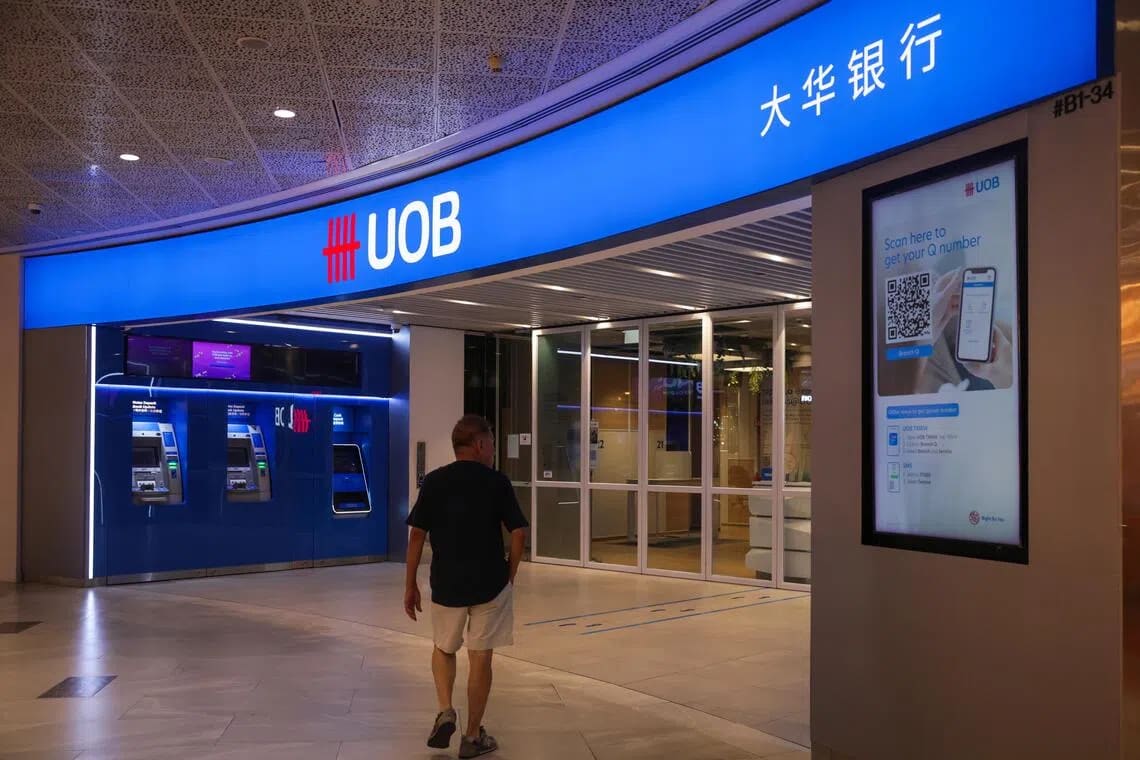
UOB Raises Quarterly Profit 10% on Record Wealth Fees
Singapore's third-largest lender posted $1.48 billion in second-quarter earnings while declaring an 88-cent interim dividend, though narrowing margins and softer fee guidance signal headwinds ahead.
KEY TAKEAWAYS
- ·United Overseas Bank reported second-quarter net profit of $1.48 billion, up 10 percent year-on-year, and declared an 88-cent interim dividend per share.
- ·Net interest margin compressed to 1.74 percent from 1.91 percent a year earlier as lower rates weighed on lending spreads, while net fee income rose 5 percent to $665 million.
- ·UOB revised its 2026 fee income guidance to low single-digit growth from high single-digit, signaling caution despite continued strength in wealth management and ASEAN trade opportunities.
Wealth Business Drives Earnings Beat
United Overseas Bank posted second-quarter net profit of $1.48 billion for the three months ended June 30, a 10 percent increase from $1.34 billion in the same period last year. The result exceeded the consensus forecast of $1.45 billion among analysts surveyed.
The bank declared an interim dividend of 88 cents per ordinary share for the half-year, up from 85 cents a year earlier and representing a payout ratio of roughly 50 percent.
Net fee income climbed 5 percent to $665 million, supported by record wealth management fees as the bank captured more assets under management from high-net-worth clients across its Singapore and regional network. Other non-interest income jumped 28 percent to $632 million during the quarter.
Margin Pressure Weighs on Interest Income
Net interest income declined 2 percent to $2.3 billion as lower interest rates compressed lending spreads. The bank's net interest margin narrowed to 1.74 percent from 1.91 percent a year ago, reflecting the shift in regional monetary policy and competitive pricing dynamics in Singapore's mortgage and corporate loan markets.
Total allowances for credit losses decreased 24 percent, driven by the release of provisions the bank had previously set aside to cover potential loan defaults. The lower provisioning requirement contributed to the stronger bottom line.
Revised Fee Outlook, ASEAN Focus
UOB adjusted its 2026 guidance, now expecting low single-digit fee income growth, down from an earlier projection of high single-digit growth. The bank maintained its forecast for low single-digit loan growth and a full-year net interest margin between 1.75 percent and 1.8 percent. It also reiterated guidance for low single-digit operating cost growth and total credit costs of 25 to 30 basis points.
Deputy chairman and chief executive Wee Ee Cheong said the bank sees significant opportunities to expand wealth services, support cross-border business ambitions, and capture a larger share of trade and investment flows across ASEAN, according to UOB. The bank is investing in capabilities intended to deliver long-term value for customers and shareholders.
Regional Banking Landscape
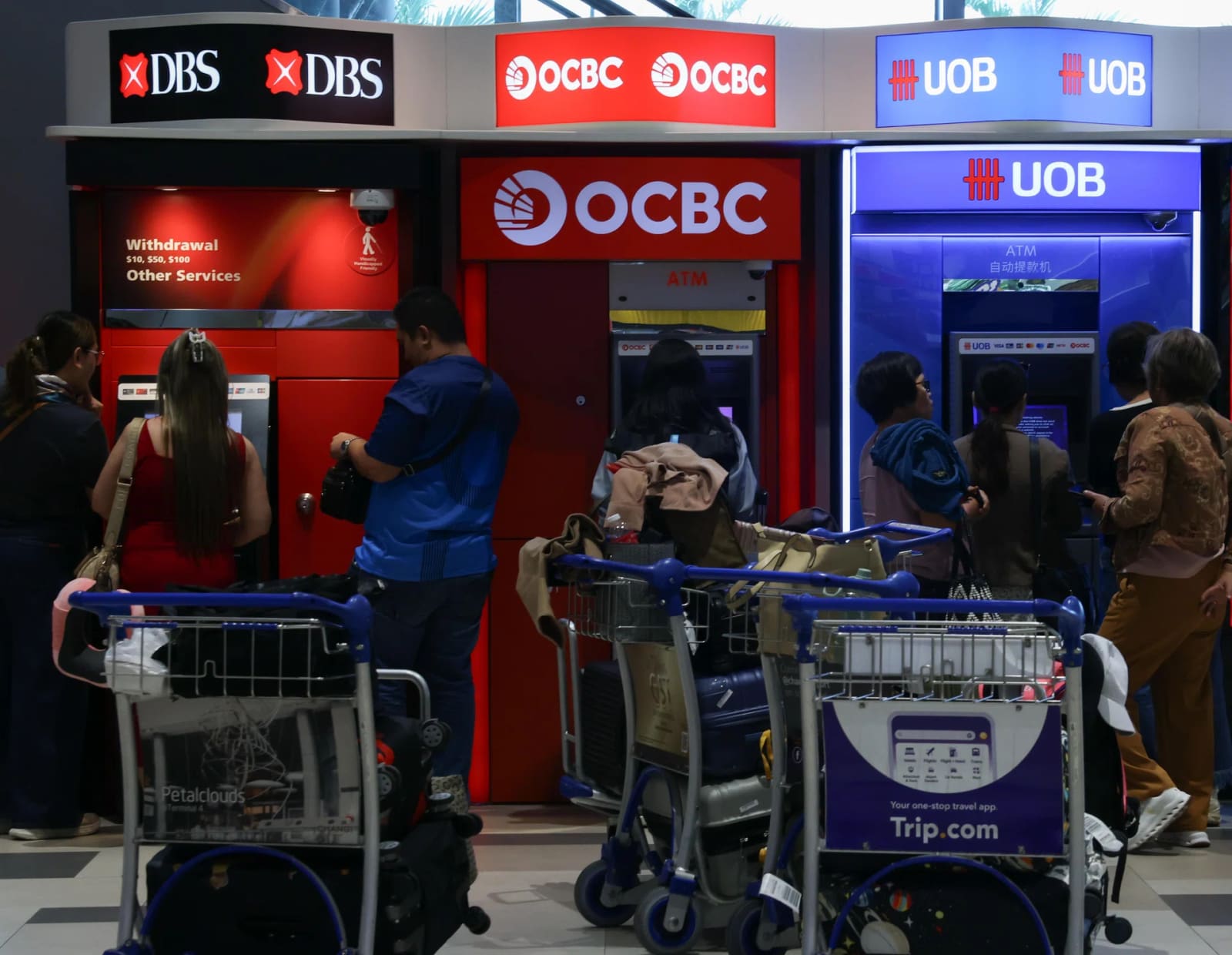
UOB reported earnings alongside OCBC Bank on August 7, following DBS Group's release a day earlier. DBS announced an 81-cent dividend per share for the second quarter as net profit rose 9 percent to $3.08 billion, also driven by record wealth management income. OCBC declared a 47-cent interim dividend for the first half of 2026, with second-quarter net profit up 22 percent.
UOB shares traded about 2 percent lower at $42.69 in mid-morning Singapore trading on August 7. OCBC shares crossed the $30 mark for the first time, reaching a fresh high of $30.11, while DBS rose 0.64 percent to $75.56.
The earnings season underscores the relative resilience of Singapore's three major lenders, even as they navigate margin compression and recalibrate growth expectations in a lower-rate environment. Wealth management remains a bright spot, with all three banks reporting strong fee income from private banking and fund management activities during the quarter.
UOB's emphasis on ASEAN trade corridors and regional wealth flows positions it to benefit from continued economic integration and capital movement within Southeast Asia, provided corporate lending demand holds and credit quality remains stable through the second half of the year.
RELATED STORIES
OCBC Lifts Dividend as Wealth Management Drives 22% Profit Jump
Priyanka V. Rao · 2 min
Singapore Banks Ride Wealth Boom as Lending Margins Compress
Priyanka V. Rao · 3 min
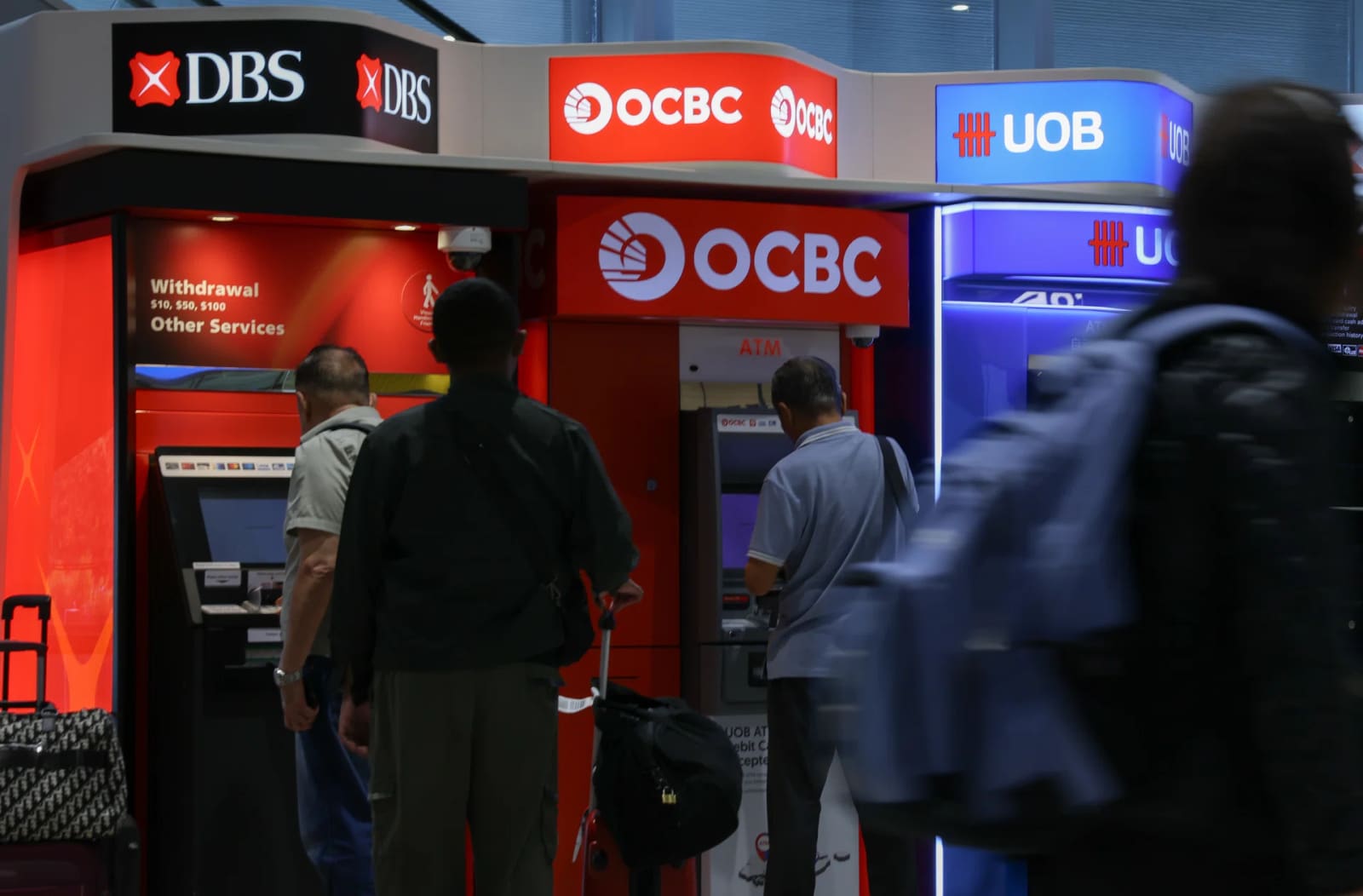
Singapore's Three Banks Show Uneven Momentum in Mid-Year Earnings
Priyanka V. Rao · 4 min
Singapore's Big Three Banks Post Solid First-Half Gains as Wealth Offsets Margin Pressure
Priyanka V. Rao · 3 min
Spot something wrong? Email editor@briefasia.com. We log every correction publicly.