Technology · Dev
TSMC and Sony Launch $4.69 Billion Sensor Joint Venture in Japan
The two companies plan to mass-produce next-generation CMOS image sensors in Kumamoto by 2029, betting on integration over proximity to maintain their lead.
KEY TAKEAWAYS
- ·TSMC and Sony announced a $4.69 billion joint venture, Advanced Vision Semiconductor Manufacturing Corp, to produce next-generation CMOS image sensors in Kumamoto, Japan, targeting volume production by 2029.
- ·The partnership aims to defend market position against Samsung's vertically integrated sensor division and rising Chinese manufacturers through tighter operational integration and shared advanced fabrication expertise.
- ·The Kumamoto facility will focus on high-value automotive and industrial sensor segments, supporting stacked sensor designs and advanced process nodes still in development.
A Strategic Partnership in Kumamoto
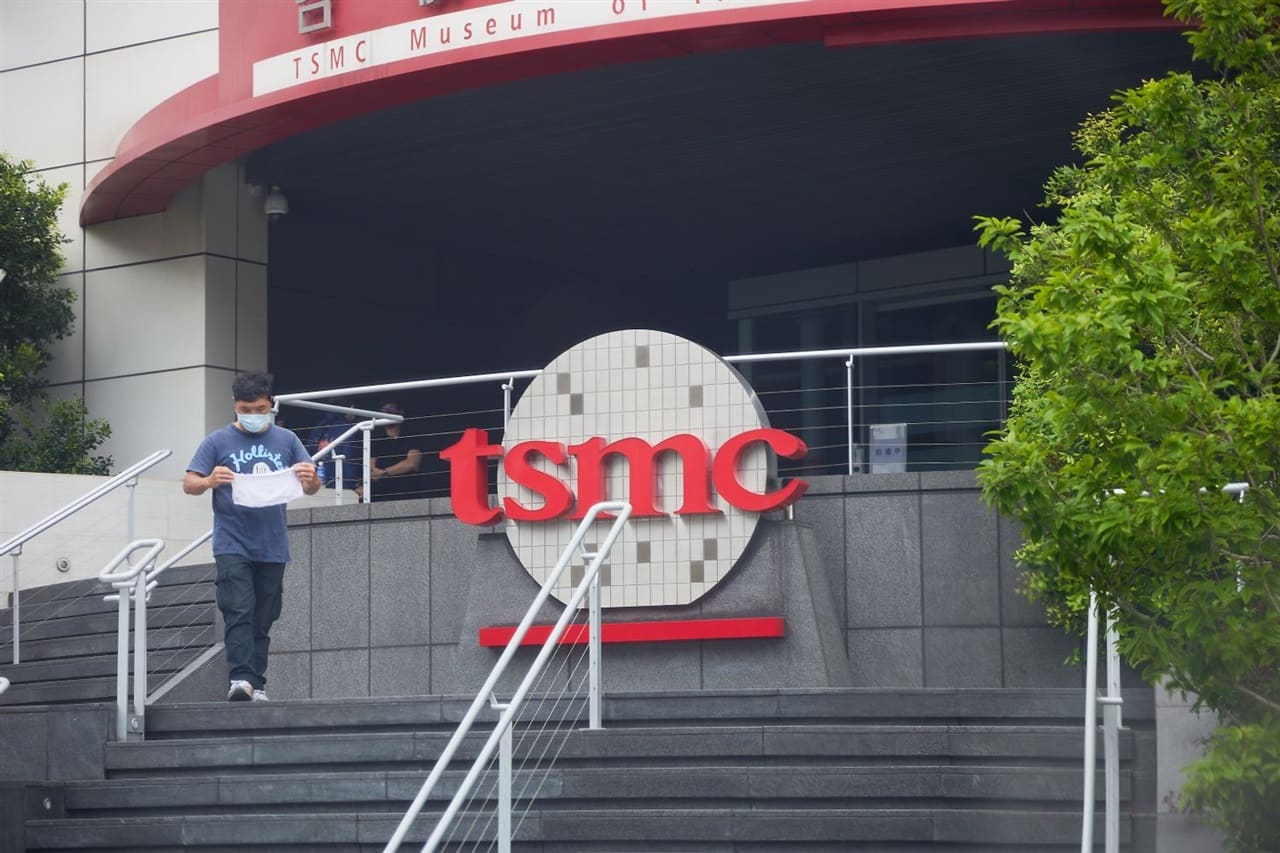
TSMC and Sony Group announced Tuesday the formation of Advanced Vision Semiconductor Manufacturing Corp, a joint venture valued at $4.69 billion to develop and produce advanced CMOS image sensors in Kumamoto, Japan. The facility targets volume production by 2029, marking a significant deepening of ties between the world's largest contract chipmaker and a dominant force in imaging technology.
The partnership represents more than geographic convenience. Both companies are wagering that tighter operational integration, rather than simply locating facilities near each other, will be essential to defending their position in a market where rivals are closing the gap. The Kumamoto site will focus on next-generation sensors, a category that demands cutting-edge process technology and sophisticated packaging capabilities.
Defending Market Position
Sony has long commanded the largest share of the global image sensor market, supplying components for smartphones, automotive systems, and industrial applications. TSMC brings advanced fabrication expertise and scale that few other foundries can match. Together, the joint venture aims to accelerate development cycles and improve manufacturing efficiency for sensors that require increasingly complex architectures.
The timing reflects mounting pressure from competitors. Samsung has been investing heavily in its own sensor division, targeting both consumer electronics and automotive markets. Chinese manufacturers are also expanding their capabilities, supported by domestic policy incentives and growing technical expertise. For TSMC and Sony, the joint venture offers a way to consolidate resources and share risk in a capital-intensive segment.
Japan's Semiconductor Push
The Kumamoto location is not coincidental. Japan has been working to rebuild its semiconductor manufacturing base after decades of decline, and the government has offered substantial subsidies to attract both domestic and foreign investment. TSMC already operates a fabrication facility in the region, which began production in 2024, and the new sensor joint venture will benefit from shared infrastructure and supply chain networks.
Advanced Vision Semiconductor Manufacturing Corp will be structured as a separate legal entity, though ownership and governance details were not disclosed in the announcement. The venture is expected to employ several hundred engineers and technicians once it reaches full production capacity, contributing to the regional workforce and technical ecosystem.
Technical and Market Implications
CMOS image sensors have evolved rapidly over the past decade, driven by demand for higher resolution, better low-light performance, and specialized features such as time-of-flight depth sensing. Automotive applications, in particular, require sensors that can operate reliably under extreme conditions and meet stringent safety standards. The joint venture will focus on these high-value segments, where margins are better and technical barriers to entry are higher.
The 2029 production timeline suggests the companies are planning for process nodes and sensor architectures that are still in the development phase. Industry observers expect the facility to support stacked sensor designs, which integrate logic and imaging layers to improve performance and reduce power consumption. These configurations require precise alignment and advanced bonding techniques, areas where TSMC has been building capability.
The partnership also positions both companies to respond more quickly to customer requirements. Shorter feedback loops between design and manufacturing can reduce time to market, a critical advantage in consumer electronics where product cycles are measured in months. For automotive customers, closer collaboration can help ensure sensors meet evolving regulatory and performance standards.
Competitive Landscape
Samsung remains the most immediate threat to Sony's sensor dominance. The Korean conglomerate has vertically integrated manufacturing and design capabilities, and it supplies sensors for its own flagship smartphones as well as external customers. Samsung has also been expanding its automotive sensor portfolio, a segment where Sony is working to gain share.
Chinese firms, while still behind in cutting-edge technology, are improving rapidly in mid-tier sensors. Domestic demand from smartphone makers and automotive manufacturers provides a large and growing market, and government support for semiconductor self-sufficiency has accelerated investment. TSMC and Sony's joint venture can be read as a move to stay ahead of this rising competition by locking in advanced process technology and manufacturing know-how.
The structure of the partnership allows both companies to pool capital and technical resources without ceding control of their core businesses. Sony retains its sensor design and customer relationships, while TSMC continues to expand its geographic footprint and diversify its product mix. The joint venture model also spreads financial risk, an important consideration given the long lead times and high capital costs associated with semiconductor manufacturing.
The Kumamoto facility will be closely watched as a test case for Japan's semiconductor revival and for the viability of joint ventures as a strategic tool in an industry increasingly defined by scale and specialization.
RELATED STORIES
Sony and TSMC Plot $6.3 Billion Image Sensor Plant in Southern Japan
Cheng Wei-Lun · 3 min
TSMC and Sony Plan $6.3 Billion Sensor Factory in Japan
Cheng Wei-Lun · 3 min
TSMC and Sony Form $1.77 Billion Image Sensor Venture in Japan
Cheng Wei-Lun · 3 min

Asian Tech Stocks Surge as Weak US Jobs Data Dims Rate Hike Outlook
Cheng Wei-Lun · 4 min
Spot something wrong? Email editor@briefasia.com. We log every correction publicly.