Asia · Trade
Trump Proposes 20% Charge on Oil Shipments Through Strait of Hormuz
U.S. president's announcement of new fee on cargo through critical Middle East waterway sends crude prices surging
KEY TAKEAWAYS
- ·President Trump announced a 20% charge on cargo moving through the Strait of Hormuz, which handles one-fifth of global oil shipments, sending crude prices up more than 4%.
- ·Asian importers including Japan, South Korea, India, and China face the highest exposure, as roughly 80% of their Middle Eastern crude supplies transit the strait.
- ·The proposal raises legal questions under international maritime law, which grants free transit through straits used for international navigation without fees or impediments.
A New Toll on the World's Busiest Oil Chokepoint
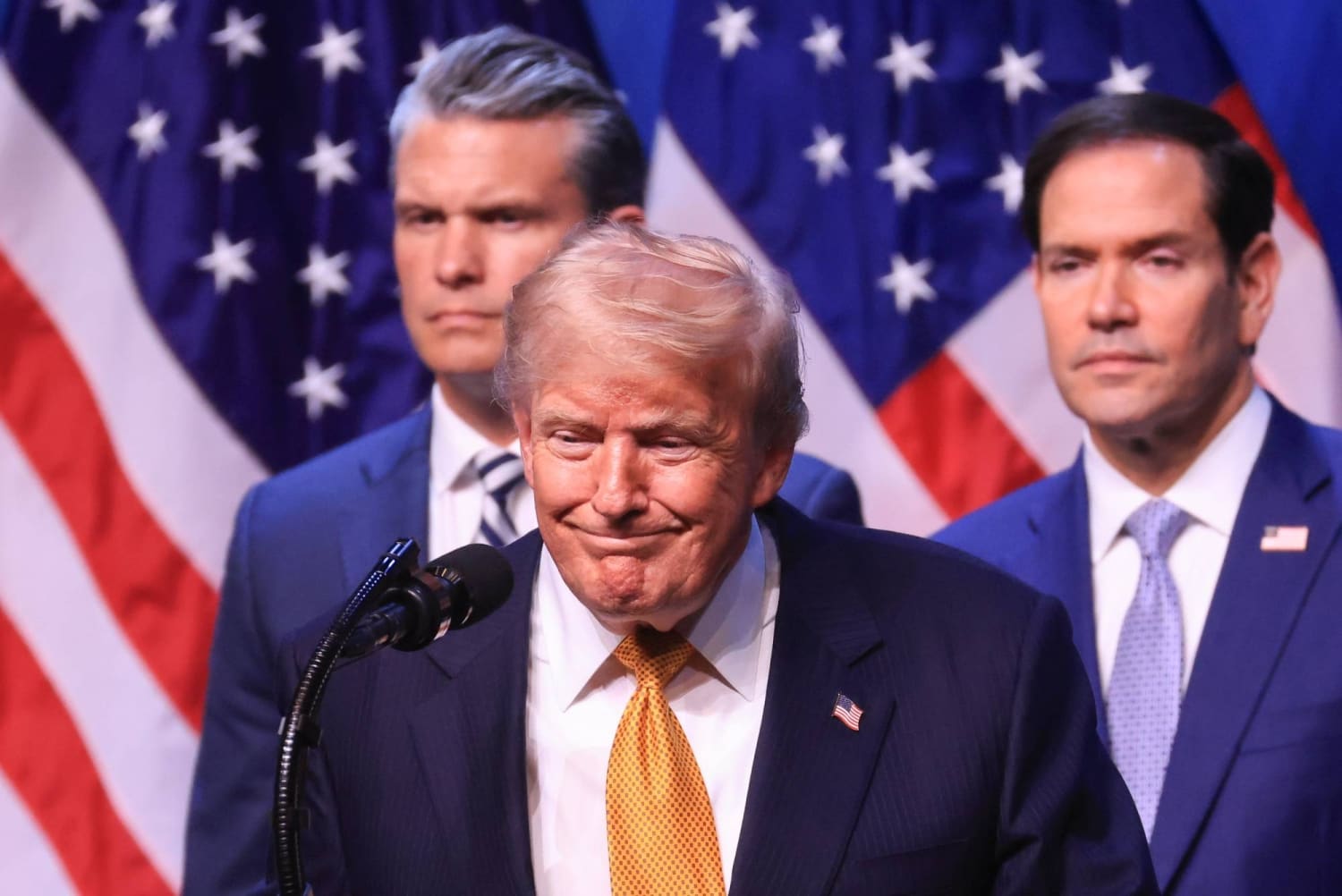
Oil prices jumped sharply after U.S. President Donald Trump declared his intention to impose a 20% charge on cargo transiting the Strait of Hormuz, the narrow waterway that handles roughly one-fifth of the world's petroleum shipments. The announcement marks an unprecedented move to extract fees from commercial traffic through international waters that have long been considered a global commons.
Trump stated the United States would reimpose a blockade in the strait and levy charges on vessels carrying goods through the passage. The strait, which separates Iran from the Arabian Peninsula at its narrowest point of just 21 miles, serves as the sole sea route from the Persian Gulf to open ocean for oil exporters including Saudi Arabia, Iraq, the United Arab Emirates, Kuwait, and Qatar.
The proposal comes without details on enforcement mechanisms, legal justification under international maritime law, or clarification on whether the fee would apply to all cargo types or specifically target energy shipments. The U.S. Navy has maintained a presence in the region for decades, citing freedom of navigation as a core interest, but charging transit fees would represent a fundamental shift in that posture.
Immediate Market Response
Crude benchmarks reacted swiftly to the news. Brent futures climbed more than 4% in afternoon trading, while West Texas Intermediate gained a similar margin. Energy analysts noted the move injects fresh uncertainty into supply chains already strained by production cuts from OPEC+ members and ongoing geopolitical tensions in the Middle East.
Asian buyers, who depend heavily on Gulf crude, face the most direct exposure. Japan imports approximately 90% of its crude oil, with roughly 80% of that volume originating from Middle Eastern suppliers that ship through Hormuz. South Korea and India hold similarly high dependencies on the route. A 20% surcharge, if implemented, would translate to tens of billions of dollars in additional costs for importing nations, likely passed through to consumers in the form of higher fuel and electricity prices.
China, the world's largest crude importer, brings in nearly 10 million barrels per day, much of it from Saudi Arabia and other Gulf states. Beijing has not yet issued a formal response to Trump's statement, but trade officials in the past have described any unilateral toll on international waters as inconsistent with the United Nations Convention on the Law of the Sea.
Legal and Diplomatic Hurdles
International maritime law experts immediately questioned the legal basis for such a charge. The Strait of Hormuz is classified as a transit passage under UNCLOS, which grants all vessels the right of continuous and expeditious transit through straits used for international navigation. Coastal states - in this case, Iran and Oman - have sovereignty over the territorial waters but cannot impede, hamper, or charge for passage under the convention's provisions.
The United States has historically invoked freedom of navigation principles to challenge what it considers excessive maritime claims by other nations. Imposing a fee on Hormuz traffic would place Washington in the position of asserting control over a waterway it does not border, a stance likely to draw legal challenges and diplomatic protests from both allies and adversaries.
Iran, which controls the northern shore of the strait, has previously threatened to close the passage during periods of heightened tension with the U.S. and its regional partners. Tehran has not commented on Trump's announcement, but any American attempt to enforce a blockade or fee structure could prompt retaliatory measures, including harassment of commercial vessels or military escalation.
What Happens Next
Energy traders are now watching for clarification from the White House on implementation timelines and scope. If the policy moves forward, shipping companies, insurers, and national governments will need to decide whether to pay the charge, reroute shipments, or contest the measure through international legal channels.
Alternative routes exist but carry significant drawbacks. Oil from the Gulf can be piped overland to Red Sea terminals, bypassing Hormuz entirely, but pipeline capacity is limited and does not cover the full volume of seaborne exports. Longer shipping routes around the Arabian Peninsula would add days of transit time and millions in additional fuel costs per voyage.
For now, the uncertainty alone is enough to keep risk premiums elevated in energy markets. The prospect of a new, unpredictable cost layer on top of existing supply constraints ensures that both producers and consumers across Asia will be recalculating their exposure to Middle Eastern crude in the weeks ahead.
RELATED STORIES
Tehran's New Conditions Push Brent Back Above $84
Priyanka V. Rao · 4 min
Brent Crude Climbs Past $84 as Hormuz Talks Stall on US Compensation Demand
Priyanka V. Rao · 4 min
Brent Crude Jumps 23 Percent as Iran Blocks Hormuz Exit
Priyanka V. Rao · 3 min
Brent Crude Climbs Past $93 as US Sanctions Threat Tightens Iran Oil Flows
Priyanka V. Rao · 3 min
Spot something wrong? Email editor@briefasia.com. We log every correction publicly.