Technology · Dev
Toppan Pushes for Higher FC-BGA Substrate Prices as Japan Capacity Doubles
Japanese packaging giant leverages tight supply and expanded Niigata output to negotiate margin improvements with chip clients
KEY TAKEAWAYS
- ·Toppan doubled FC-BGA substrate capacity at its Niigata plant in January 2026 and is now negotiating price increases with chip customers to improve electronics division margins.
- ·The pricing push aims to double Toppan's consolidated net profit, leveraging tight substrate supply and the company's focus on high-performance computing and AI accelerator applications.
- ·Success in locking in higher prices before new industry capacity arrives through 2027 will determine whether Toppan's margin gains prove sustainable or cyclical.
Capacity Expansion Drives Pricing Power
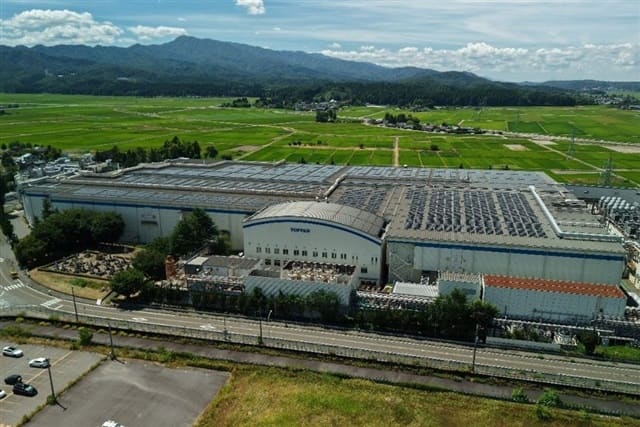
Toppan has begun discussions with customers to raise prices for flip-chip ball grid array substrates, capitalizing on the successful ramp of a new production line at its Niigata facility. The Japanese packaging materials supplier announced that its additional FC-BGA substrate line started operations in January 2026, effectively doubling the plant's capacity compared to the first half of fiscal 2022, which ran from April through September of that year.
The move comes as global demand for advanced packaging substrates continues to outpace supply, particularly for high-performance computing and AI accelerator applications. FC-BGA substrates serve as the critical interface between advanced chips and printed circuit boards, enabling higher interconnect density and thermal performance than traditional packaging technologies.
Toppan's pricing negotiations reflect a broader shift in the substrate supply chain, where capacity additions have lagged behind explosive growth in AI chip production. The company's expanded Niigata output positions it to capture a larger share of the premium substrate market while improving profitability across its electronics division.
Margin Recovery in Focus
The price increases are expected to lift operating margins in Toppan's electronics business, which has historically operated under pressure from capital-intensive expansion cycles and customer pricing discipline. According to Toppan, the improved pricing environment and higher utilization rates at the expanded Niigata facility are projected to double the company's consolidated net profit.
Japan's substrate manufacturers have faced intense competition from Taiwanese and Korean rivals over the past decade, often accepting lower margins to maintain volume. The current supply-demand dynamics, however, have created an opening for incumbents like Toppan to recalibrate pricing structures. The company's vertical integration in materials and its long-standing relationships with major semiconductor clients provide leverage in these negotiations.
The Niigata plant specializes in substrates for high-end applications, including data center processors and graphics chips, where performance requirements justify premium pricing. By doubling capacity at this facility specifically, Toppan signals its intent to focus on the high-margin segments of the substrate market rather than chasing volume in commodity categories.
Regional Implications
Toppan's capacity expansion and pricing strategy carry significance beyond the company itself. Japan has sought to rebuild its position in semiconductor materials and packaging, areas where it retains technical leadership even as fabrication moved offshore. The government has supported substrate capacity additions through investment incentives and export controls that advantage domestic suppliers.
The Niigata expansion also reflects the geographic concentration of advanced packaging supply chains. While assembly and test operations have dispersed across Asia, substrate production remains concentrated in Japan, Taiwan, and South Korea. This concentration has amplified pricing power for established players when demand surges, as customers face limited alternatives for quick capacity additions.
For customers, the price increases represent another cost pressure in an already expensive transition to advanced packaging. Chipmakers have absorbed higher substrate costs as part of the broader shift to chiplet architectures and 2.5D packaging, where substrate quality and reliability directly impact system performance. The willingness of customers to accept Toppan's pricing terms will signal how tight substrate supply remains and whether the current pricing environment proves durable or temporary.
Outlook
Toppan's negotiations come at a pivotal moment for the substrate industry. New capacity from multiple suppliers is scheduled to come online through 2027, which could ease supply constraints and moderate pricing power. The company's ability to lock in higher prices now, before additional capacity floods the market, will determine whether margin improvements prove sustainable.
The success of the Niigata expansion also sets the stage for further investment decisions across Japan's substrate sector. If Toppan achieves its profit targets, competitors may accelerate their own capacity plans, intensifying the race for advanced packaging share in Asia. The next twelve months will reveal whether the current supply tightness represents a structural shift or a cyclical peak.
RELATED STORIES

Tier IV Plans Open-Source AI Chip Design to Cut Automaker Costs
Aiko Nakamura · 3 min

Used iPhone Sales Double in Japan as Memory Shortage Pushes Prices Higher
Aiko Nakamura · 3 min

Insta360 Enters Mirrorless Camera Market With Two Unconventional Models
Cheng Wei-Lun · 3 min
SK Hynix Breaks Ground on $3.9 Billion Chip Packaging Facility in Indiana
Cheng Wei-Lun · 3 min
Spot something wrong? Email editor@briefasia.com. We log every correction publicly.