Technology · AI
Tier IV Plans Open-Source AI Chip Design to Cut Automaker Costs
Japanese autonomous-driving startup aims to reduce automaker dependence on foreign semiconductor suppliers with free chip blueprints
KEY TAKEAWAYS
- ·Tokyo-based Tier IV is developing AI semiconductor designs it will release at no cost to automakers, aiming to reduce reliance on foreign chip suppliers.
- ·The open-source approach could enable manufacturers to customize and produce chips internally, lowering licensing costs and improving supply chain control.
- ·Tier IV has backing from Toyota and the initiative aligns with Japan's push for domestic semiconductor capabilities in autonomous vehicles.
Breaking the Foreign Chip Lock-In
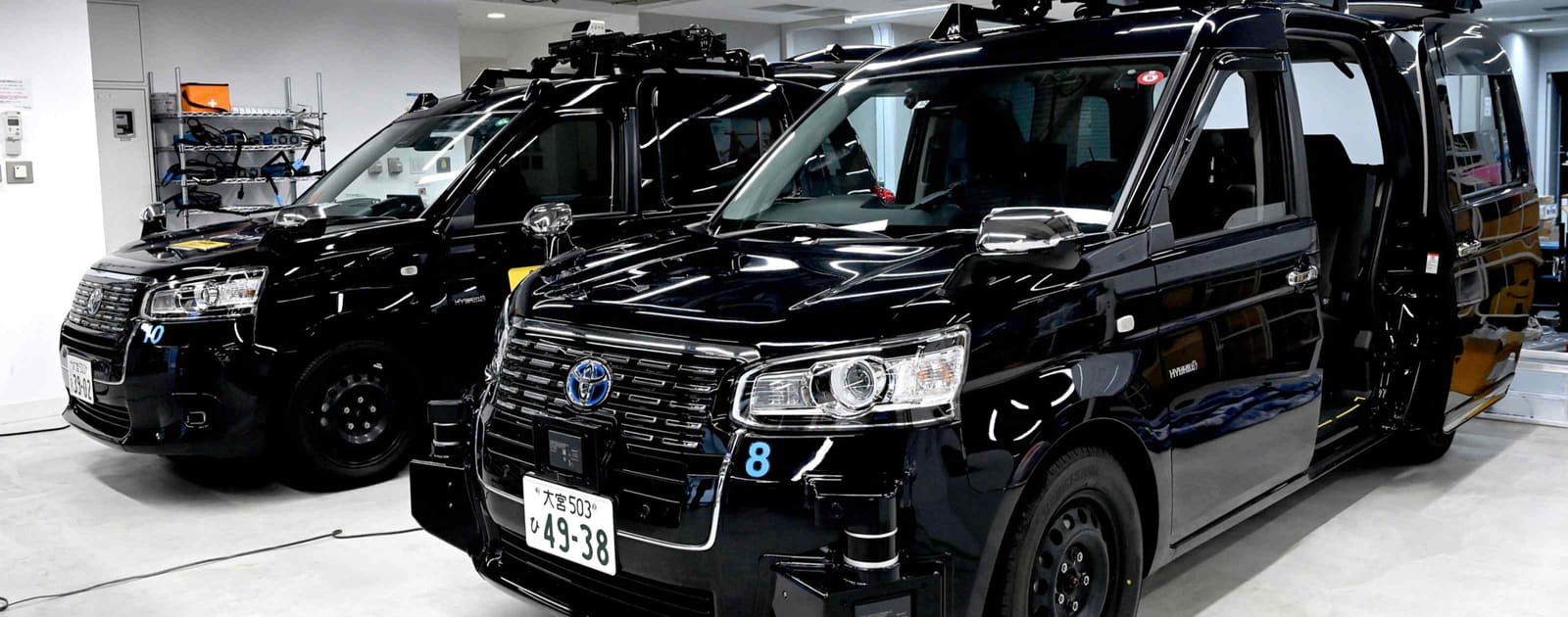
Tier IV, a Tokyo-based autonomous-driving startup, is designing artificial intelligence semiconductor blueprints that it plans to distribute without charge. The move could shift how automakers source one of the most critical components in modern vehicles.
The company's strategy centers on open-source chip architecture, allowing manufacturers to customize and produce semiconductors internally rather than purchasing finished products from established suppliers. For an industry that has watched chip shortages halt production lines and squeeze margins, the prospect of greater control over semiconductor supply chains carries weight.
Tier IV's initiative arrives as Asian automakers face mounting pressure to secure reliable access to advanced chips. Current autonomous-driving systems depend on specialized processors that handle massive data streams from cameras, lidar sensors, and radar arrays. These components typically come from a handful of suppliers, most based outside Japan.
The In-House Production Case
By releasing chip designs openly, Tier IV aims to lower the barrier for automakers to develop semiconductors internally. The economic logic is straightforward: designing chips in-house eliminates licensing fees and allows manufacturers to optimize performance for specific vehicle platforms.
The approach mirrors strategies emerging across Asia's tech sector, where companies increasingly view semiconductor independence as both a cost advantage and a strategic necessity. Chinese electric vehicle maker BYD already produces its own chips, while other regional players have announced similar ambitions.
For Japanese automakers, the opportunity to reduce foreign semiconductor dependence aligns with broader industrial policy goals. Tokyo has pushed companies to strengthen domestic chip capabilities, viewing the technology as essential to maintaining competitiveness in electric and autonomous vehicles.
Open-Source Economics
Open-source hardware represents a different calculus than the proprietary models that dominate chip design today. Rather than generating revenue from intellectual property licensing, Tier IV appears positioned to profit from services built around the free designs, such as integration support, software optimization, and system validation.
The model has precedent in other technology domains. Open-source software projects have reshaped enterprise computing, and open instruction set architectures like RISC-V have gained traction in embedded systems. Whether the approach scales to automotive-grade AI chips, which demand rigorous safety validation and performance guarantees, remains an open question.
Tier IV has backing from Toyota, which invested in the startup to advance autonomous-driving development. The automaker's support suggests confidence that open chip designs could accelerate deployment timelines and reduce system costs across vehicle lineups.
Regional Implications
The initiative fits within a broader pattern of Asian companies seeking alternatives to established semiconductor supply chains. South Korean, Chinese, and Japanese firms have all announced chip development programs in recent years, driven by supply disruptions during the pandemic and geopolitical tensions affecting technology access.
If Tier IV's designs prove viable, other regional startups and automakers may adopt similar strategies. The cumulative effect could reshape competitive dynamics in automotive semiconductors, particularly if open designs enable faster iteration and customization than proprietary alternatives allow.
The company has not disclosed a timeline for releasing the chip designs or specified which AI processing tasks the semiconductors will target. Autonomous-driving systems require multiple chip types, from high-performance processors for sensor fusion to specialized accelerators for neural network inference.
What Comes Next
Tier IV's success will depend on whether its designs meet the performance, power efficiency, and safety standards automakers demand. Chip design is one piece of the puzzle; manufacturing capacity, testing infrastructure, and regulatory approval add complexity and cost that open-source blueprints alone cannot eliminate.
Still, the move signals a willingness among Japanese technology companies to experiment with unconventional business models in pursuit of strategic autonomy. As autonomous-driving systems become standard across vehicle segments, control over the underlying silicon grows more valuable. Tier IV is betting that giving away the designs will ultimately expand its influence over how that silicon evolves.
RELATED STORIES

Used iPhone Sales Double in Japan as Memory Shortage Pushes Prices Higher
Aiko Nakamura · 3 min
Japan's Rare Earth Imports Plunge 80% as China Tightens Export Controls
Aiko Nakamura · 3 min

Japan Bets $2.3 Trillion on AI-Driven Manufacturing Revival
Aiko Nakamura · 3 min

Dentsu Plans to Cut 30% of Overseas Subsidiaries by 2028
Jun-ho Seo · 3 min
Spot something wrong? Email editor@briefasia.com. We log every correction publicly.