Finance · Markets
Tokyo and Washington Launch First Joint Yen Intervention Since 2011
Japanese Finance Minister Satsuki Katayama will confirm coordinated currency action as the yen trades near 40-year lows, with operations still underway
KEY TAKEAWAYS
- ·Japan's Finance Minister Satsuki Katayama will announce joint currency intervention with Washington on August 3, with operations still ongoing to support the yen at 40-year lows.
- ·US Treasury Secretary Scott Bessent's notepad showed a plan to buy five to ten billion dollars of yen, while the Treasury alerted banks to stand ready for action.
- ·The coordinated move marks the first joint Japan-US intervention since March 2011 and signals both governments' concern over rapid yen depreciation driven by interest rate differentials.
Historic Coordinated Action
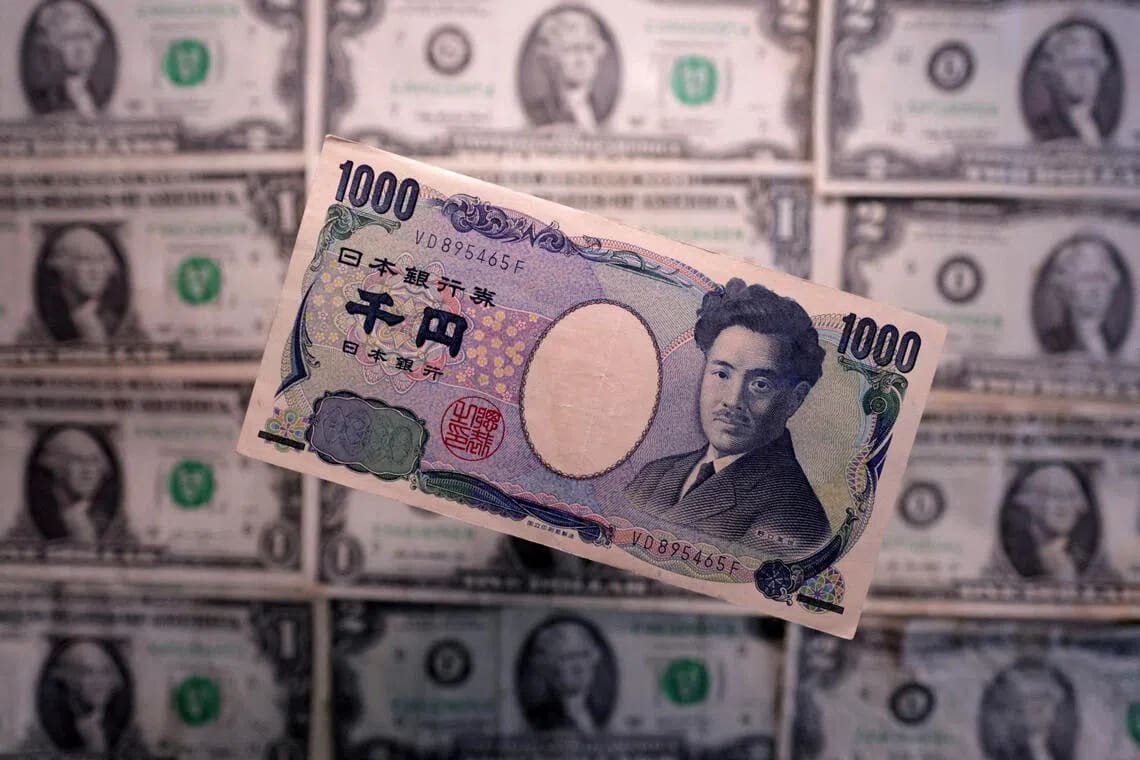
Japan's Finance Minister Satsuki Katayama will announce on August 3 that Tokyo and Washington have taken joint action in currency markets to halt the yen's decline to its weakest level in four decades, according to two Japanese government officials. The coordinated intervention represents the first such partnership between the two nations since 2011.
Katayama plans to emphasize both governments' commitment to addressing what they view as excessive weakness in the Japanese currency, the officials said. One official confirmed the announcement would describe "joint action" and noted that "the operation is still ongoing."
The yen has tumbled to its lowest levels against the dollar since 1986, prompting concern in Tokyo about the economic impact of rapid depreciation on import costs and consumer purchasing power.
Market Operations Under Way
Currency traders reported multiple rounds of yen-buying activity by Japanese and US authorities in recent days. Japan conducted dollar-selling, yen-buying intervention during New York trading hours on July 30, according to a market source. The timing preceded the Bank of Japan's July 31 policy decision, which kept rates unchanged while signaling a potential near-term increase.
US Treasury Secretary Scott Bessent offered a public signal of Washington's stance last week, describing the yen as "very undervalued." A photograph from a July 31 cabinet meeting captured a notepad on Bessent's desk with handwritten text reading "To Do" followed by "Buy Japanese Yen (JPY) US$5-10 billion."
The same day, the Treasury notified several banks that it might intervene in the yen market and instructed them to "stand ready for future action," a source familiar with the discussions said.
Regional Implications
The coordinated move underscores the strategic importance both governments place on currency stability in Asia's second-largest economy. Japan's export-driven industrial base has historically benefited from a weaker yen, but the recent slide has accelerated faster than policymakers consider manageable, raising concerns about inflation and supply-chain costs.
Joint intervention carries political weight beyond immediate market impact. It signals alignment between Washington and Tokyo on regional economic stability at a time when trade flows and capital markets across Asia remain sensitive to exchange-rate volatility. South Korea has also faced pressure on the won, and currency moves in Northeast Asia tend to ripple through manufacturing and export networks from Taiwan to Southeast Asia.
Policy Coordination
The decision to act together reflects months of behind-the-scenes coordination. US involvement in yen support is rare and typically reserved for moments when Washington judges that currency dislocations threaten broader economic or geopolitical interests. The last joint intervention, in March 2011, followed the Tohoku earthquake and tsunami, when the yen surged as Japanese firms repatriated overseas assets.
This time, the dynamic is reversed. The yen's weakness stems from the wide interest-rate differential between Japan and the United States, with the Bank of Japan maintaining near-zero rates while the Federal Reserve has held policy tighter. That gap has made yen-funded carry trades attractive and put sustained downward pressure on the currency.
Neither the Japanese Ministry of Finance nor US Treasury officials provided immediate comment on the expected announcement. The silence is consistent with standard practice ahead of formal statements on currency intervention, which authorities typically confirm only after operations are complete or when market conditions warrant public acknowledgment.
Katayama's forthcoming statement will clarify the scale and duration of the intervention, as well as the rationale both governments will use to justify the coordinated approach. Market participants will watch closely for language indicating whether Tokyo and Washington view the current yen level as a one-off correction or the start of sustained policy support.
RELATED STORIES
Yen Climbs to Eight-Month High as Rate Hike Expectations Shift Sentiment
Jun-ho Seo · 3 min

SoftBank Prices ¥1 Trillion Retail Bond in Largest Offering Since 2020
Aiko Nakamura · 3 min

Japan Wage Growth Hits 29-Year High, Reinforcing Central Bank Rate Path
Aiko Nakamura · 3 min

Japan Tightens Oversight of Cross-Border Lending to Shadow Banks
Aiko Nakamura · 2 min
Spot something wrong? Email editor@briefasia.com. We log every correction publicly.