Finance · Markets
Tokyo Stocks Tumble as Chip Sector Rout Spreads Across Asia
Nikkei drops 3.6% while Korea's KOSPI plunges 7% as semiconductor weakness ripples through regional markets ahead of major tech earnings
KEY TAKEAWAYS
- ·Japan's Nikkei fell 3.59% to 62,599 while South Korea's KOSPI dropped 7% as chip stocks extended a regional selloff.
- ·Tokyo Electron and Advantest declined 8.84% and 7.52% respectively following a 2.2% drop in the Philadelphia semiconductor index overnight.
- ·Investors are holding back ahead of major US and Japanese tech earnings, with uncertainty concentrated in semiconductor names rather than broad risk-off sentiment.
Sharp Decline Hits Tokyo Trading
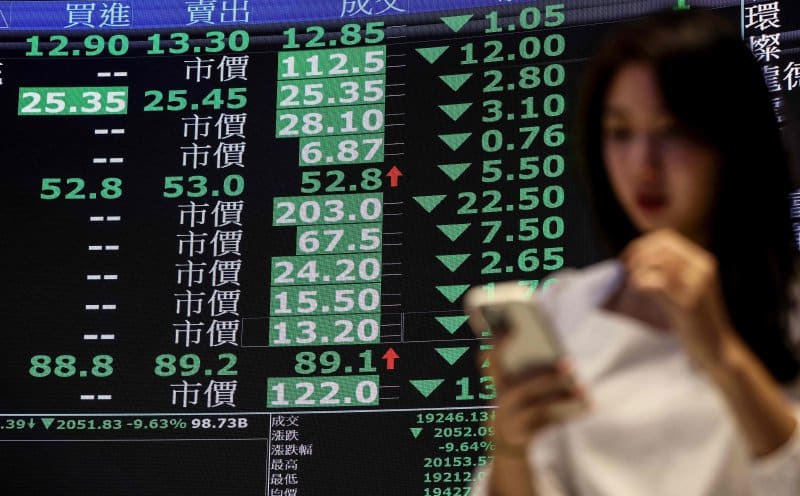
Japan's benchmark Nikkei index dropped 3.59% to 62,599.14 in early trading Tuesday, driven by steep losses in semiconductor-related equities. The broader Topix fell 2.44% to 3,966.87 as selling pressure concentrated in technology names.
Chip equipment makers bore the brunt of the decline. Tokyo Electron shed 8.84% while testing equipment specialist Advantest fell 7.52%. The moves followed overnight weakness in US semiconductor stocks, where the Philadelphia semiconductor index declined 2.2%. That index has now retreated 21% from its June 22 record close, though it remains up 63% year-to-date for 2026.
The selloff extended beyond Japan. South Korea's KOSPI plummeted 7% in early trade, underscoring the intensity of risk aversion across the region's technology-heavy bourses.
Earnings Uncertainty Weighs
Daisuke Hashizume, senior strategist at Daiwa Securities, characterized the move as sector-specific rather than broad-based. "This is not a broad selloff, or the market is not on the risk-off sentiment," he said. "Investors are cautious about buying stocks before earnings of big tech firms in the US and Japan. There are uncertainties in the market."
The comment highlights the wait-and-see posture gripping regional investors ahead of quarterly results from major technology companies on both sides of the Pacific. With valuations elevated in the semiconductor space despite recent declines, earnings reports will provide a critical test of whether current pricing reflects underlying business momentum.
Nvidia, a bellwether for AI-related chip demand, fell 4.9% in US trading. The stock's performance often sets the tone for Asian chip names given its outsized influence on global semiconductor supply chains and capital expenditure cycles.
Broader Market Pressure
Financial stocks also retreated despite recent optimism around potential Bank of Japan rate increases. Mitsubishi UFJ Financial Group and Sumitomo Mitsui Financial Group each lost nearly 3%. The decline suggests investors are rotating out of rate-sensitive plays in favor of cash or defensive positioning amid technology sector volatility.
Market breadth on the Tokyo Stock Exchange's prime section reflected the negative bias. Of more than 1,500 listed names, 64% declined while only 31% advanced. Three percent traded flat.
Regional Contagion
The Nikkei's trajectory has become increasingly correlated with both Korea's KOSPI and the Philadelphia semiconductor index. All three markets derive significant weighting from chip producers, equipment manufacturers, and technology supply chain participants.
Korea's sharp 7% drop amplifies concerns about contagion effects when sentiment sours on the sector. Seoul's market hosts major memory chip producers and technology hardware names with direct exposure to global demand cycles.
The regional pattern suggests investors are reassessing exposure to semiconductor equities after a strong run earlier in 2026. Despite the Philadelphia index's 21% pullback from its peak, the 63% year-to-date gain indicates substantial profits remain on the table for those looking to derisk ahead of earnings clarity.
What Comes Next
Attention now shifts to upcoming earnings reports from major US and Japanese technology firms. These results will determine whether the current selloff represents a healthy correction within an intact bull market or the beginning of a more sustained retrenchment.
For now, the concentration of selling in chip-related names rather than broad market capitulation offers some comfort. Yet the speed and magnitude of declines in Korea and Japan signal that Asia's technology-heavy exchanges remain vulnerable to sentiment shifts originating in US tech trading.
Bank stocks' weakness despite rate hike speculation adds another layer of complexity, suggesting investors may be prioritizing liquidity over thematic plays until visibility improves.
RELATED STORIES

Bank of Japan Prepares Third Rate Increase in Ten Months
Aiko Nakamura · 3 min

Japan's Megabanks Launch Digital Services to Capture SME Business
Aiko Nakamura · 3 min

Bank of Japan to Continue Rate Increases to Anchor Inflation at 2 Per Cent
Aiko Nakamura · 3 min

Malaysian Ringgit Gains Ground as Markets Anticipate Fed and BOJ Rate Moves
Tran Quoc Bao · 2 min
Spot something wrong? Email editor@briefasia.com. We log every correction publicly.