Sustainability · Energy
Thailand Faces Energy Crunch as Mideast Tensions Rise
Vice-Finance Minister warns oil price volatility could accelerate push for renewable transition
KEY TAKEAWAYS
- ·Thailand's vice-Finance Minister warned that Middle East tensions could trigger another oil price surge, threatening the economy's energy stability.
- ·The country imports two-thirds of its energy needs, with renewables accounting for only 15 percent of installed capacity as of early 2025.
- ·Regional peers like Vietnam and Indonesia are accelerating renewable deployment, while Thailand's transition lags due to grid bottlenecks and regulatory delays.
Vulnerability Exposed
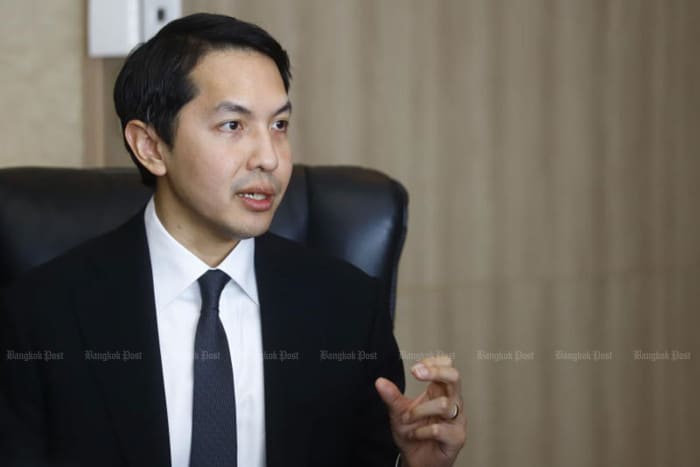
Thailand's reliance on imported fossil fuels is becoming a strategic liability as conflict in the Middle East threatens to push global oil prices higher. Vice-Finance Minister Santitarn Sathirathai flagged the risk on Friday, warning that another surge in crude costs could strain the economy and underscoring the need to move faster on renewable energy.
The statement reflects Bangkok's growing anxiety over energy security. Thailand imports roughly two-thirds of its energy needs, with a significant share coming from crude oil and natural gas. Any disruption to Middle Eastern supply chains or spike in benchmark prices ripples quickly through the Thai economy, affecting everything from transport costs to manufacturing input prices.
The Geopolitical Backdrop
Tensions in the Gulf have periodically rattled oil markets over the past two years, with Brent crude swinging between USD 70 and USD 95 per barrel. For a country like Thailand, which runs a current account surplus largely on the back of tourism and electronics exports, energy import bills represent one of the largest drains on foreign exchange reserves.
Santitarn's warning comes at a moment when regional peers are also recalibrating their energy strategies. Vietnam has accelerated offshore wind auctions, while Indonesia is deploying geothermal capacity at scale. Thailand, by contrast, has seen slower progress on its Power Development Plan, which targets 30 percent renewable generation by 2037.
Clean Energy Lag
Thailand's renewable share stood at around 15 percent of total installed capacity as of early 2025, according to figures from the Energy Policy and Planning Office. Solar and wind projects have expanded, but grid bottlenecks, financing gaps, and regulatory uncertainty have slowed deployment. Large-scale battery storage, critical for intermittent renewables, remains nascent.
The government has pledged to revise feed-in tariffs and streamline permitting for private developers, but implementation has lagged. Meanwhile, demand for electricity continues to climb, driven by data center investments and the expansion of electric vehicle manufacturing in the Eastern Economic Corridor.
Fiscal and Macro Implications
A sustained rise in oil prices would widen Thailand's trade deficit and complicate monetary policy for the Bank of Thailand, which has kept rates relatively steady to support post-pandemic recovery. Higher fuel costs also translate into inflationary pressure on food and transport, eroding household purchasing power in a consumption-driven economy.
The Finance Ministry has historically used fuel subsidies to cushion consumers during price spikes, but that approach is fiscally expensive and delays the structural shift toward cleaner alternatives. Santitarn's remarks suggest a recognition within the ministry that subsidy-driven crisis management is no longer sustainable.
Regional Context
Thailand's energy dilemma is not unique, but its pace of transition lags behind several ASEAN neighbors. The Philippines has attracted billions in renewable investment through competitive auctions and long-term power purchase agreements. Malaysia is ramping up hydroelectric capacity in Sarawak and exploring green hydrogen exports.
For Bangkok, the challenge is not just technological but also political. Energy policy involves balancing the interests of state-owned oil and gas incumbents, private developers, industrial users, and rural communities. The result has been incremental progress rather than the kind of rapid pivot that current geopolitical realities may demand.
What Comes Next
Santitarn's public warning signals that energy security is climbing the policy agenda. Whether that translates into concrete action, faster permitting, or meaningful capital allocation remains to be seen. The next test will be the government's updated energy roadmap, expected later this year, and whether it includes binding targets, grid investment, and incentives that can mobilize private capital at the scale required.
For now, Thailand remains exposed. Every uptick in crude prices is a reminder that the transition to clean energy is not just an environmental imperative but an economic and strategic one.
RELATED STORIES
Thailand Targets 5 GW Rooftop Solar Push to Cut LNG Exposure
Priyanka V. Rao · 3 min
Southeast Asian Firms Race to Raise Green Debt as Region Falls Behind on Renewables
Priyanka V. Rao · 3 min
Thailand and New Zealand Set $8 Billion Trade Target Under New Partnership
Priyanka V. Rao · 3 min

Delta Electronics Thailand Hits $100 Billion Market Cap Milestone
Priyanka V. Rao · 4 min
Spot something wrong? Email editor@briefasia.com. We log every correction publicly.