Finance · Deals
Tencent's AI Spending Push Sends Free Cash Flow Negative
The Chinese tech giant's capital expenditure surged 176% year-on-year as it prepares infrastructure for large-scale AI deployment
KEY TAKEAWAYS
- ·Tencent's capital expenditure reached CNY52.8 billion in Q2, a 176% year-on-year increase driven by AI infrastructure investments and computing capacity prepayments.
- ·The spending pushed free cash flow negative for the quarter, a rare outcome for Tencent's historically cash-generative core businesses including gaming and advertising.
- ·The financial commitment sets a benchmark for AI buildout costs in China and signals a shift from pilot projects to production-scale infrastructure deployment.
The Price of AI Ambition
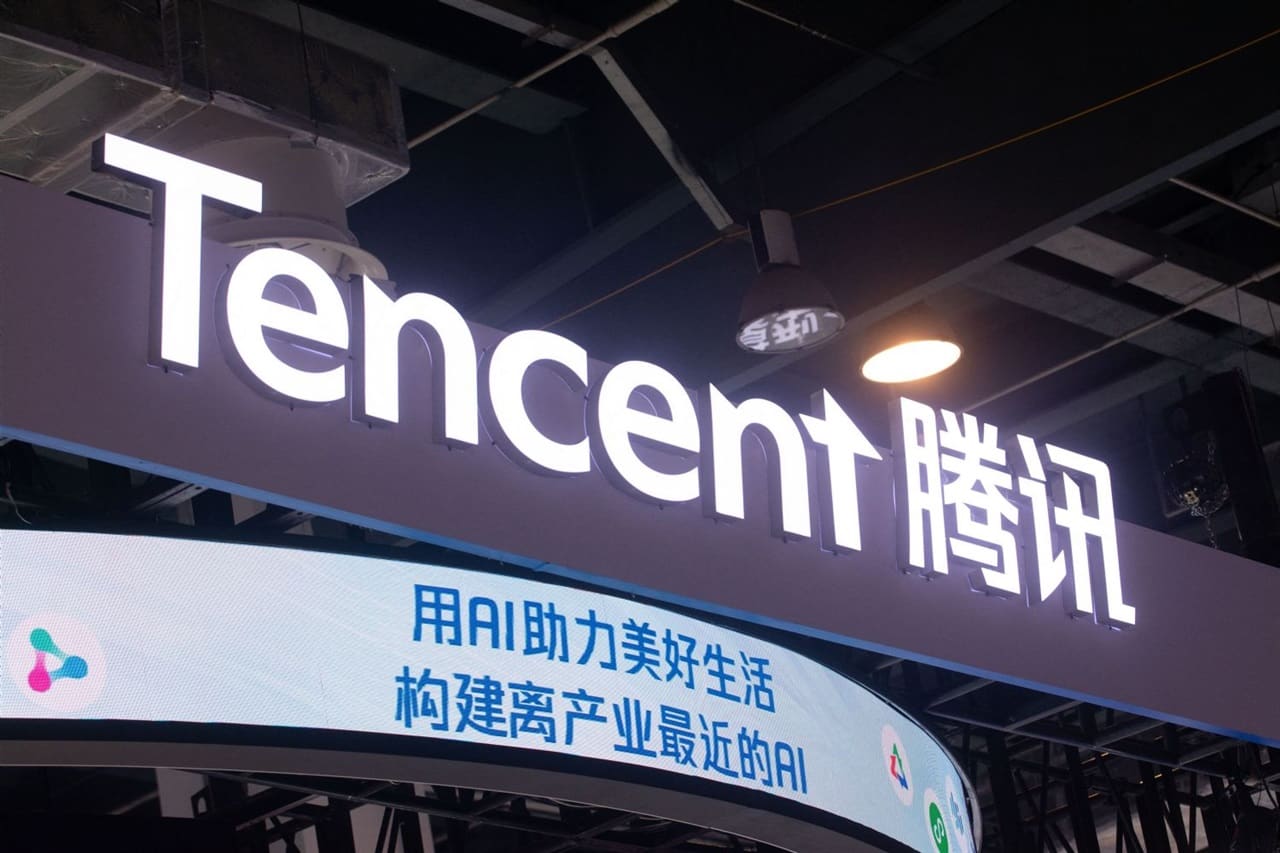
Tencent Holdings delivered a stark illustration of what artificial intelligence infrastructure costs when a company decides to build at scale. The Shenzhen-based internet giant reported capital expenditure of CNY52.8 billion (US$7.81 billion) for the second quarter, according to Tencent, representing a 176% increase compared to the same period last year.
The spending surge pushed the company's free cash flow into negative territory for the quarter, a rare occurrence for Tencent's historically cash-generative operations. The shift came as the company made substantial advance payments to secure computing capacity needed for AI workloads.
Where the Money Is Going
The capital allocation reflects a strategic bet on infrastructure ahead of demand. Tencent's prepayments for computing resources signal an expectation that access to GPU clusters and data center capacity will tighten as competition for AI hardware intensifies across Asia's tech landscape.
The company's core businesses - gaming, social platforms, and digital advertising - continue to generate significant revenue that now underwrites this infrastructure expansion. Tencent's advertising segment has shown resilience, while its gaming operations maintain dominant positions in both domestic and international markets.
Unlike startups that must balance runway with research costs, Tencent can leverage existing cash flows from WeChat's ecosystem and its gaming portfolio to finance AI development without immediate pressure for return on investment. This positions the company to build proprietary models and infrastructure that could serve both internal products and enterprise clients.
Regional Context
Tencent's capital intensity mirrors patterns seen at Alibaba and ByteDance, where Chinese tech platforms are racing to secure computing resources amid U.S. export restrictions on advanced chips. The spending also comes as Beijing encourages domestic development of large language models and AI applications that reduce reliance on Western technology stacks.
The negative free cash flow for a single quarter is unlikely to constrain Tencent's operations given its balance sheet strength, but it marks a shift in capital discipline. The company has historically returned cash to shareholders through dividends and buybacks; sustained AI investment at this scale may require recalibrating those programs.
For investors tracking Asia's AI build-out, Tencent's disclosure offers a transparent benchmark. The 176% year-on-year capex jump suggests the company is moving beyond pilot projects into production-scale infrastructure, a transition that typically precedes the rollout of AI-enhanced products across consumer and enterprise segments.
What Comes Next
The financial commitment raises questions about monetization timelines. Tencent has integrated AI features into WeChat, its cloud services, and advertising platforms, but the revenue contribution from these capabilities remains modest relative to the capital deployed.
The company's ability to absorb negative free cash flow quarters without altering its strategic direction distinguishes it from peers under tighter financial constraints. That flexibility could prove decisive if the current AI investment cycle extends longer than the market currently prices in.
Tencent's spending also sets a floor for what serious AI infrastructure costs in the Chinese market. Smaller platforms and startups will need to either match this scale, find niche applications that require less compute, or rely on third-party infrastructure providers - a dynamic that could reshape competitive positioning across China's internet sector in the next 18 months.
RELATED STORIES
ModelBest Begins Pre-IPO Tutoring for Mainland China Listing
Cheng Wei-Lun · 3 min
Tencent's Q2 Net Profit Misses Forecast Amid Heavy AI Investment
Cheng Wei-Lun · 3 min
Tencent Revenue Rises 11% as AI Advertising Lifts Sales, Profit Lags Forecasts
Cheng Wei-Lun · 3 min
Tencent Accelerates AI Infrastructure Build Despite Short-Term Profit Pressure
Cheng Wei-Lun · 3 min
Spot something wrong? Email editor@briefasia.com. We log every correction publicly.