Technology · AI
Tencent's Q2 Net Profit Misses Forecast Amid Heavy AI Investment
China's gaming and social media giant reports revenue growth but profit dip as it accelerates spending on artificial intelligence infrastructure and applications
KEY TAKEAWAYS
- ·Tencent posted Q2 net profit of 56 billion renminbi, up 0.7 per cent year-on-year but missing the 58.4 billion renminbi analyst forecast and down four per cent from Q1.
- ·Revenue rose 11 per cent to 204.8 billion renminbi, exceeding expectations, as the company invests heavily in AI infrastructure and product development.
- ·The firm is in talks to retake stakes in AI start-up Manus and is promoting OpenClaw cloud hosting to capture agentic AI adoption in China.
Earnings Fall Short Despite Revenue Beat
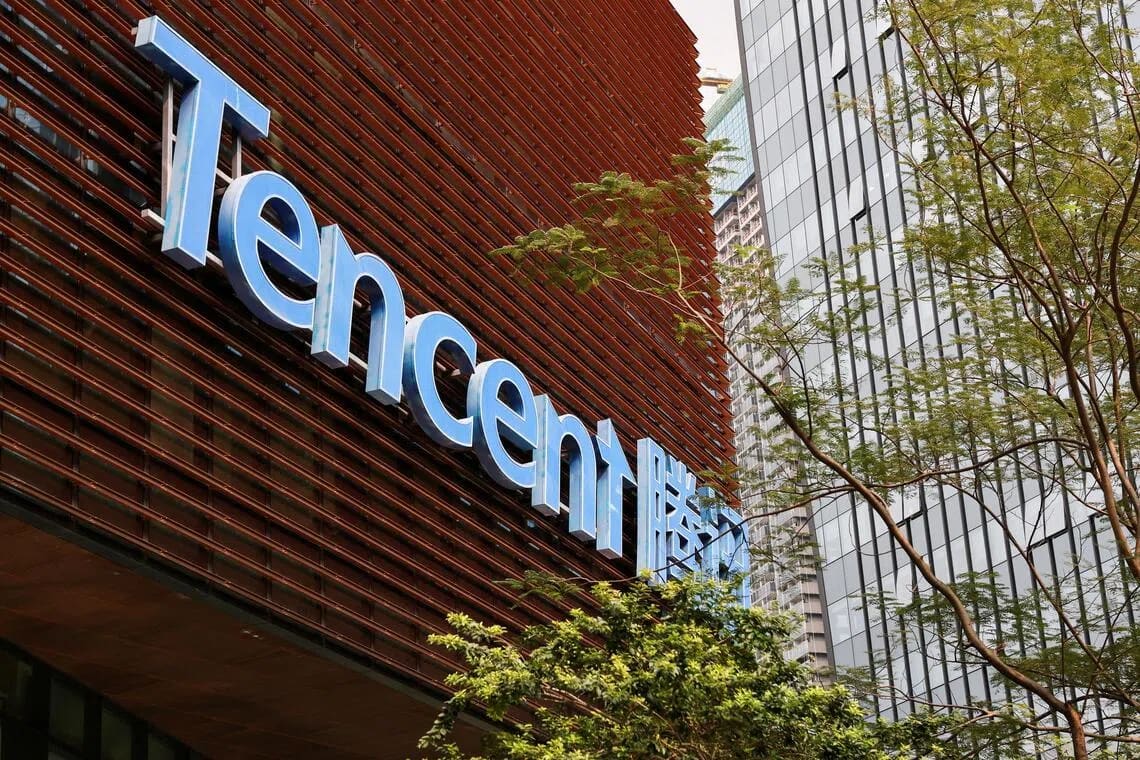
Tencent reported second-quarter net profit of 56 billion renminbi ($10.6 billion) on August 12, a 0.7 per cent increase year-on-year that nonetheless fell short of the 58.4 billion renminbi forecast by Bloomberg analysts. The figure also marked a four per cent decline from the first quarter, according to the company's Hong Kong Stock Exchange filing.
Revenue painted a brighter picture, climbing 11 per cent to 204.8 billion renminbi and slightly exceeding market expectations. The revenue performance reflects sustained user engagement across Tencent's gaming portfolio and advertising platforms, even as the company redirects substantial capital toward emerging technology initiatives.
The Shenzhen-based firm operates WeChat, China's dominant multi-purpose app with more than one billion users, and has positioned itself as a leading contender in the country's competitive AI landscape alongside Baidu and Alibaba.
AI Spending Pressures Margins
Tencent described its strategic shift in the quarterly filing: "We are making substantial progress towards building a new, AI-empowered Tencent in terms of intelligence, applications, and infrastructure." The company did not break out specific AI expenditure figures, but the margin compression suggests significant outlays on compute resources, talent acquisition, and product development.
Founder Pony Ma acknowledged earlier in 2026 that the company's previous AI efforts resembled a "leaky ship," adding that Tencent hoped "the ship can sail faster." The remarks signaled internal frustration with the pace of AI commercialization and hinted at forthcoming restructuring.
Industry observers are now watching for the potential rollout of an AI agent embedded directly within WeChat. Such a feature would give Tencent a distribution advantage unmatched in China, allowing it to reach hundreds of millions of users instantly. The company has not confirmed a launch date, but internal testing is believed to be underway.
Expanding AI Footprint Beyond WeChat
Beyond its flagship app, Tencent is pursuing multiple AI ventures. The company is reportedly in talks to retake stakes in Manus, an AI start-up that resumed independent operations on August 11 after Beijing blocked Meta's planned acquisition of the Chinese-developed, Singapore-based firm. A renewed Tencent stake would give the tech giant deeper exposure to cutting-edge AI research and potential licensing opportunities.
Tencent has also joined other Chinese cloud providers in promoting OpenClaw, an AI agent platform created by an Austrian programmer that has gained traction in China. The company is offering simplified installation processes and affordable cloud hosting plans to encourage developers and enterprises to deploy OpenClaw agents on its infrastructure. The move mirrors strategies by Alibaba Cloud and Huawei Cloud, all vying to capture early adopters of agentic AI workflows.
Tencent's gaming division, which includes Riot Games (developer of League of Legends), continues to generate significant cash flow, while its cloud computing and entertainment units provide additional revenue streams. The diversified portfolio has historically cushioned the company during regulatory crackdowns and economic slowdowns, and management appears willing to leverage that stability to fund long-term AI bets.
Market Reaction and Outlook
Investors will scrutinize whether Tencent can translate AI investment into tangible revenue streams over the next two to four quarters. The company faces pressure from shareholders who have watched peers such as ByteDance and Alibaba roll out consumer-facing AI products at speed. Tencent's cautious approach may reflect regulatory sensitivities around AI deployment in China, where authorities maintain tight oversight of algorithmic content and data usage.
The modest profit growth and Q1-to-Q2 decline suggest that AI expenditure is front-loaded, with monetization lagging. If WeChat's embedded AI agent launches successfully and drives user engagement or premium subscriptions, the investment thesis will strengthen. Until then, Tencent's earnings may remain under pressure as it builds out infrastructure and refines product-market fit in an increasingly crowded field.
RELATED STORIES

WeChat Trials AI Writing Tools in Social Feed as China's Super-App Leans Into Generative Tech
Cheng Wei-Lun · 4 min
ModelBest Begins Pre-IPO Tutoring for Mainland China Listing
Cheng Wei-Lun · 3 min
Tencent Revenue Rises 11% as AI Advertising Lifts Sales, Profit Lags Forecasts
Cheng Wei-Lun · 3 min

China's Electric Vehicle Market Enters Seventh Month of Decline
Cheng Wei-Lun · 3 min
Spot something wrong? Email editor@briefasia.com. We log every correction publicly.