Technology · Products
China's Electric Vehicle Market Enters Seventh Month of Decline
Sales dropped 3.9% year-on-year in July as government support wanes and price competition intensifies across the world's largest EV market
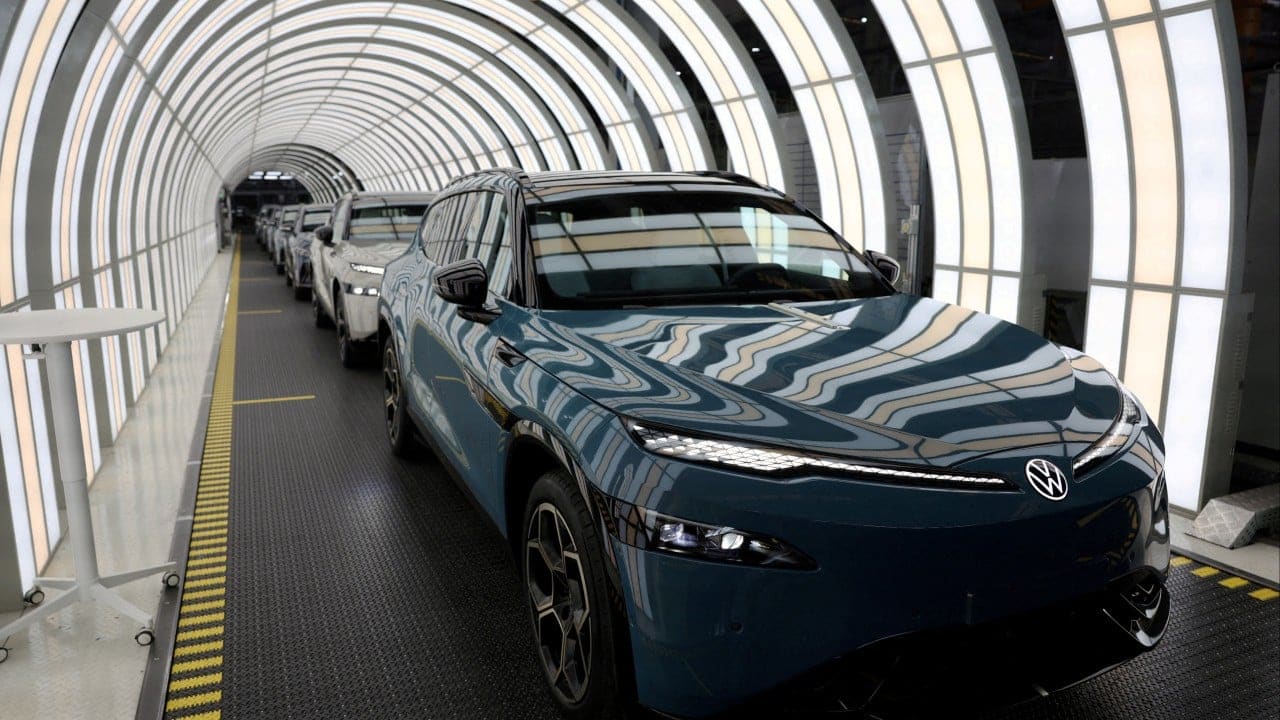
KEY TAKEAWAYS
- ·China's electric vehicle deliveries dropped 3.9 percent year-on-year in July, the seventh consecutive monthly decline, according to China Passenger Car Association data.
- ·Expiring government subsidies and weak consumer demand amid economic uncertainty are suppressing purchases, while aggressive price competition squeezes manufacturer margins.
- ·Smaller EV makers face existential pressure as the market shakeout intensifies, with consolidation expected to favor well-capitalized players with diversified portfolios.
Sales Momentum Stalls
Electric vehicle deliveries in China slipped 3.9 percent in July compared to the same month last year, marking the seventh consecutive month of year-on-year decline, according to data from the China Passenger Car Association. The drop signals deepening challenges for the world's largest EV market as manufacturers confront a trifecta of headwinds: expiring government support, cautious consumers, and a brutal pricing war that shows no signs of abating.
Sales of pure electric and plug-in hybrid vehicles also fell 5.8 percent month-on-month from June, the CPCA figures show. The sequential decline underscores weakening momentum even during what should be a seasonally stronger period for auto sales.
Subsidies Fade, Pressure Mounts
The sustained downturn comes as Beijing scales back the generous incentive programs that helped propel China to global EV leadership over the past decade. Central government purchase subsidies ended in late 2022, and many provincial and municipal programs have since expired or been significantly reduced. The withdrawal of financial support has exposed the market to underlying demand realities, particularly as economic uncertainty weighs on household spending decisions.
Consumer appetite for big-ticket purchases remains subdued amid concerns about job security and income growth. The property sector's prolonged slump has eroded household wealth, making buyers more price-sensitive and cautious about committing to vehicle purchases. For many potential buyers, the calculus has shifted: without subsidies to offset higher upfront costs, the payback period for EVs lengthens, reducing their appeal against conventional alternatives.
Price War Grinds On
Intense price competition continues to squeeze margins across the sector. Major manufacturers have launched repeated discount campaigns throughout 2025, with some models seeing price cuts of 20 percent or more from their launch levels. The discounting reflects both excess production capacity and fierce jockeying for market share in a slowing market.
While lower prices might seem likely to stimulate demand, the strategy has limits. Buyers increasingly expect further reductions, delaying purchases in anticipation of better deals. The constant promotional activity also undermines brand value and profitability, leaving manufacturers trapped in a cycle where they must cut prices to move inventory but struggle to generate sustainable margins.
Small Players Face Existential Threat
The prolonged market weakness poses particular risks for smaller EV manufacturers operating without the financial cushion of larger rivals. The CPCA warned that a bleak market outlook is likely to affect most small companies, with some facing existential pressure as sales volumes fail to support ongoing operations.
Several second-tier brands have already scaled back production or delayed new model launches as cash flow tightens. The shakeout many analysts predicted is now materializing, with market share consolidating around a handful of dominant players who can weather the downturn through diversified product lines, strong balance sheets, and established distribution networks.
Regional Implications
The troubles in China's EV sector carry weight beyond its borders. Chinese manufacturers have increasingly looked to export markets to offset domestic weakness, shipping record volumes to Southeast Asia, Europe, and Latin America over the past year. A sustained domestic slump will likely intensify that export push, potentially accelerating trade tensions as local industries in recipient markets lobby for protection.
For the broader Asian automotive supply chain, China's slowdown presents both risks and opportunities. Component suppliers face weaker demand from Chinese assemblers, but may find new customers as production shifts or as non-Chinese manufacturers ramp up their own EV programs to fill market gaps.
The current downturn also tests Beijing's industrial strategy. Chinese policymakers have bet heavily on EVs as a sector where domestic firms can achieve global leadership, leapfrogging established automakers. A prolonged domestic market slump could force a reassessment of that strategy, or trigger new rounds of support to prevent a wave of bankruptcies that would undermine years of investment and planning.
What Comes Next
Market observers expect the pressure to persist through the remainder of 2025. Barring a major stimulus announcement or unexpected surge in consumer confidence, the fundamentals point to continued soft demand and margin pressure. Manufacturers are watching for signals from Beijing about potential new support measures, but policymakers have so far shown limited appetite for reviving large-scale subsidies.
The industry's ability to navigate this period without significant consolidation or capacity destruction will depend on how quickly companies can adjust cost structures, innovate on product features that justify pricing, and identify profitable niches in an increasingly mature and competitive market. For now, the message from July's numbers is clear: the easy growth phase is over.
RELATED STORIES
Great Wall Motor's Haval H10 Draws Over 31,000 Orders on First Day
Cheng Wei-Lun · 3 min
Seoul Warns Against Redistributing Chip Profits as China Investment Accelerates
Jun-ho Seo · 2 min
BYD Targets Japan's Regional Markets With Racco Mini EV
Aiko Nakamura · 4 min
Amkor Explores Options for China Operations Amid Regional Shift
Cheng Wei-Lun · 3 min
Spot something wrong? Email editor@briefasia.com. We log every correction publicly.