Finance · Deals
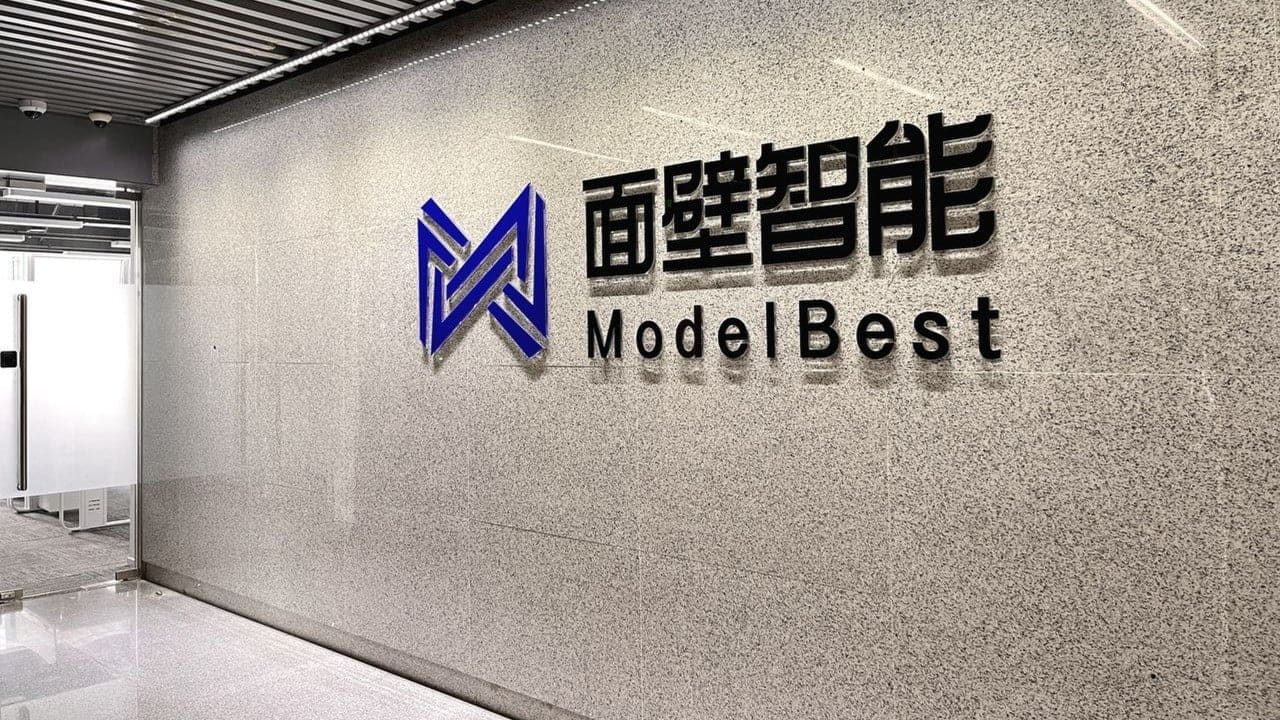
ModelBest Begins Pre-IPO Tutoring for Mainland China Listing
The Chinese AI startup is positioning its lightweight, device-based models as a path around U.S. chip export controls ahead of a domestic market debut.
KEY TAKEAWAYS
- ·ModelBest has entered pre-IPO tutoring for a mainland China listing, focusing on lightweight AI models that run on smartphones, laptops, and vehicles.
- ·The startup's strategy addresses U.S. chip export controls by training systems optimized for domestic processors rather than advanced American GPUs.
- ·Completion of tutoring typically takes 12 to 24 months before formal IPO applications, with exchange selection and financial disclosures pending.
A Bet on Compact AI
ModelBest, a four-year-old Chinese artificial intelligence developer, has entered the pre-initial public offering tutoring phase in preparation for a mainland stock exchange listing. The move signals confidence in a business model centered on small-scale AI systems designed to operate directly on consumer hardware rather than relying on cloud infrastructure.
The company's timing reflects broader shifts in China's AI sector, where developers increasingly focus on edge computing solutions that bypass the need for cutting-edge processors subject to U.S. export restrictions. ModelBest's approach involves training lightweight neural networks optimized for domestic semiconductor capabilities, enabling deployment on smartphones, personal computers, and automotive systems without requiring access to advanced American chips.
Regulatory Pathway
In China, pre-IPO tutoring is a mandatory stage for companies seeking public listings. The process, overseen by securities regulators and typically conducted by sponsoring brokerages, involves financial audits, corporate governance reviews, and compliance assessments. Duration varies, but most candidates complete tutoring within 12 to 24 months before submitting formal listing applications.
ModelBest has not disclosed which exchange it is targeting. Mainland options include the Shanghai Stock Exchange's main board and STAR Market, which emphasizes technology firms, or the Shenzhen Stock Exchange's ChiNext board. The choice will depend on revenue thresholds, profitability metrics, and strategic sector alignment.
The Small-Model Strategy
The startup's focus on compact models addresses a persistent challenge for Chinese AI companies: limited access to high-performance graphics processing units manufactured by firms like Nvidia. Washington's export controls, tightened repeatedly since 2022, restrict shipments of chips capable of training large-scale models comparable to GPT-4 or similar systems.
By designing models that require fewer computational resources, ModelBest aims to deliver functional AI applications using processors available within China's supply chain. These systems trade some capability for efficiency, prioritizing tasks that benefit from low latency and local processing, such as real-time translation, voice recognition, and driver assistance features in vehicles.
The approach also aligns with growing interest among device manufacturers in on-device AI, which reduces reliance on cloud connectivity and addresses data privacy concerns. Smartphone makers in particular have begun integrating AI features that run entirely on handsets, a trend ModelBest appears positioned to serve.
Market Context
China's AI startup ecosystem has seen a wave of funding and public market activity over the past two years. Several competitors, including companies focused on large language models and enterprise automation, have either listed or announced plans to do so. ModelBest's edge-computing angle differentiates it within a crowded field increasingly dominated by firms racing to build Chinese alternatives to OpenAI and Anthropic.
Investor appetite for AI-related offerings remains strong, though valuations have become more scrutinized as regulators emphasize sustainable business models over speculative growth. ModelBest's ability to demonstrate revenue from device partnerships and licensing agreements will likely influence its reception in public markets.
The company has not disclosed financial details, customer rosters, or the scale of its model deployments. Such information typically emerges during the formal IPO prospectus filing, which follows successful completion of tutoring.
What Comes Next
ModelBest's path to listing will depend on its ability to meet regulatory standards and market conditions at the time of offering. The tutoring phase will surface any governance gaps, financial irregularities, or compliance issues that could delay or derail the process.
For the broader Chinese AI sector, the listing represents another test of whether specialized strategies, such as small-model optimization, can generate returns comparable to those of cloud-based AI giants. If ModelBest succeeds, it may validate a blueprint for other startups navigating similar semiconductor constraints and regulatory environments.
RELATED STORIES
Hong Kong Courts AI Hardware Makers to Boost Tech Listings
Cheng Wei-Lun · 3 min
Tencent Revenue Rises 11% as AI Advertising Lifts Sales, Profit Lags Forecasts
Cheng Wei-Lun · 3 min
Unitree Robotics IPO Draws 9.8 Million Retail Accounts for 9.7 Million Shares
Cheng Wei-Lun · 3 min
Chinese Robotics Firms Capture Near-Total Control of Humanoid Market
Cheng Wei-Lun · 3 min
Spot something wrong? Email editor@briefasia.com. We log every correction publicly.