Technology · AI
Tencent Accelerates AI Infrastructure Build Despite Short-Term Profit Pressure
Chinese tech giant reports 11% revenue growth to $30.3 billion while ramping compute capacity for AI-native business push
KEY TAKEAWAYS
- ·Tencent reported second-quarter revenue of CNY204.8 billion ($30.3 billion), an 11% year-on-year increase, while significantly raising AI infrastructure spending.
- ·Management stated on the August 12 earnings call that elevated compute costs will pressure near-term profit margins as the company builds AI-native business capabilities.
- ·The investment aligns Tencent with regional peers Alibaba and ByteDance, all ramping data center capacity amid China's push for AI leadership and semiconductor localization.
Spending Surge to Build AI Foundation
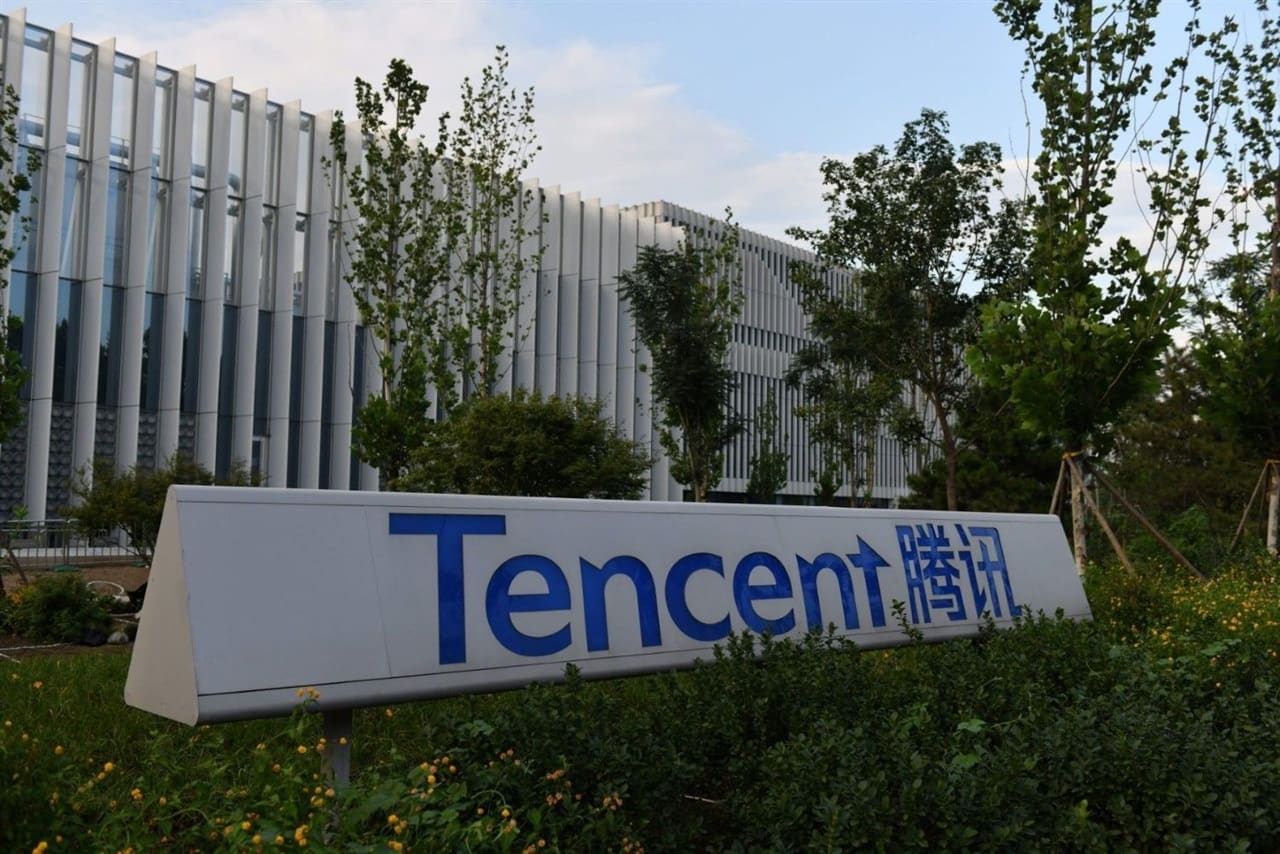
Tencent Holdings posted second-quarter revenue of CNY204.8 billion, equivalent to US$30.3 billion, representing an 11% increase from the same period a year earlier. The Shenzhen-based company disclosed on its August 12 earnings call that it has substantially raised capital allocation toward artificial intelligence infrastructure, a move management acknowledged will compress profitability in the coming quarters.
The investment push reflects a strategic bet by one of Asia's largest internet conglomerates. Executives framed the spending as necessary groundwork for what they termed a "large and valuable AI-native new business," signaling Tencent's intent to compete beyond its established gaming, social media, and fintech franchises.
Compute Costs Versus Growth Ambitions
The expanded infrastructure outlay centers on compute capacity, the foundation required to train and deploy large-scale AI models. Tencent did not break out specific capital expenditure figures for AI during the call, but the company's commentary suggests a material shift in resource priorities.
For context, hyperscale cloud providers across Asia have collectively committed tens of billions of dollars to data center expansion and accelerator procurement over the past year. Tencent's move aligns with similar commitments from Alibaba Cloud and ByteDance, both of which have disclosed elevated infrastructure budgets tied to generative AI workloads.
The trade-off is immediate margin pressure. Compute infrastructure carries high upfront costs, depreciation schedules, and ongoing power expenses, all of which flow through income statements before revenue from new AI products materializes. Tencent's management indicated they view this as a multi-quarter investment cycle, with returns expected to accrue as AI-native offerings scale.
What AI-Native Means for Tencent
While Tencent did not detail specific product plans, the "AI-native" framing suggests applications built from the ground up around generative models rather than retrofitting AI features into legacy platforms. Potential areas include enterprise productivity tools, content creation suites, customer service automation, and gaming assistants, all of which align with Tencent's existing ecosystem.
The company already operates Hunyuan, its proprietary large language model, and has integrated AI features into WeChat, its ubiquitous messaging platform with over 1.3 billion monthly active users. The latest infrastructure push likely aims to deepen those capabilities and unlock new monetization vectors, particularly in enterprise and developer segments where competition with Alibaba and Baidu is intensifying.
Regional Context and Competitive Dynamics
Tencent's infrastructure acceleration comes as China's AI sector navigates a complex landscape. Domestic players face pressure to localize supply chains amid ongoing export controls on advanced semiconductors from the United States. Nvidia's H100 and H800 chips, widely used for AI training, remain subject to licensing requirements, prompting Chinese firms to stockpile inventory and explore alternatives from domestic vendors like Huawei.
At the same time, Beijing has prioritized AI development as a national strategic objective, creating regulatory tailwinds and funding support for companies willing to invest heavily. Tencent's willingness to absorb near-term profit hits may also reflect confidence in government backing for large-scale infrastructure projects.
The broader Asian market is watching closely. Singapore, Tokyo, and Seoul have all seen increased data center investment tied to AI, with regional cloud providers and sovereign wealth funds entering joint ventures to secure compute capacity. Tencent's scale and balance sheet position it as a formidable competitor in this race, even as profitability takes a temporary backseat.
Investor Reaction and Forward Outlook
Equity markets have grown accustomed to the "invest now, profit later" narrative in AI, but tolerance varies by company and region. Tencent's shares have traded in a relatively narrow range over the past year, reflecting cautious optimism tempered by regulatory uncertainty in China's internet sector.
The company's ability to articulate a clear path from infrastructure spending to revenue generation will be critical in maintaining investor confidence. Management's emphasis on building a "valuable" AI business suggests they expect meaningful contribution to top-line growth, not just operational efficiency gains.
For now, the market will scrutinize upcoming quarters for signs that compute investments are translating into product launches, enterprise contracts, or developer adoption. The timeline for profitability from AI-native ventures remains uncertain, but Tencent's decision to lean in while margins are under pressure signals conviction that the window to establish leadership is narrowing.
RELATED STORIES
Tencent's Q2 Net Profit Misses Forecast Amid Heavy AI Investment
Cheng Wei-Lun · 3 min
Tencent's AI Spending Push Sends Free Cash Flow Negative
Cheng Wei-Lun · 2 min

WeChat Trials AI Writing Tools in Social Feed as China's Super-App Leans Into Generative Tech
Cheng Wei-Lun · 4 min

Honor Unveils Robot Phone as First Move in AI Hardware Pivot
Cheng Wei-Lun · 2 min
Spot something wrong? Email editor@briefasia.com. We log every correction publicly.