Finance · Markets
Telkom Indonesia Faces SEC Inquiry Over Alleged Financial Fraud
State-owned telecom giant under investigation for potential accounting irregularities spanning seven years, with over 100 individuals reportedly implicated
KEY TAKEAWAYS
- ·The U.S. Securities and Exchange Commission is investigating PT Telekomunikasi Indonesia for potential financial statement fraud during 2014-2021, with over 100 individuals reportedly implicated and subsidiaries required to conduct restatements.
- ·Telkom's president director and financial director traveled to the United States in mid-July as the SEC requested detailed information on historical financial statements, while Indonesia's stock exchange held its own meeting with management in April.
- ·The investigation raises governance questions for one of Indonesia's largest state-owned enterprises, which maintains dual listings in Jakarta and New York and faces overlapping regulatory scrutiny from both jurisdictions.
Regulatory Crosshairs
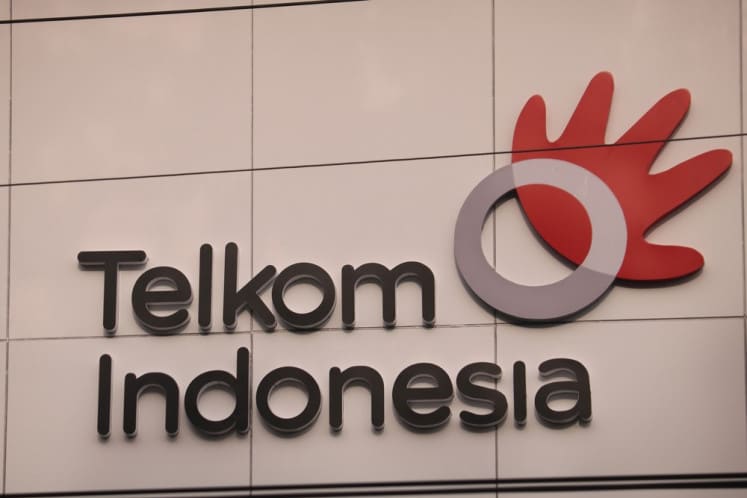
PT Telekomunikasi Indonesia, the state-controlled telecommunications conglomerate, is confronting an investigation by the United States Securities and Exchange Commission over potential financial statement fraud covering the 2014-2021 period. The inquiry puts one of Indonesia's most prominent state-owned enterprises under a microscope as U.S. regulators examine accounting practices at a firm whose American Depositary Receipts trade on the New York Stock Exchange.
Telkom president director Dian Siswarini traveled to the United States in mid-July alongside financial director Arthur Angelo Syailendra, a trip documented through social media posts. The SEC has requested detailed information concerning historical financial statements, with more than 100 individuals reportedly flagged in connection with the allegations.
The scrutiny extends beyond the parent company. Satellite services unit PT Telkom Satelit Indonesia is among the subsidiaries now required to conduct financial restatements, a process that involves revisiting and correcting previously reported figures. For a company that operates critical infrastructure across the archipelago and maintains listings in both Jakarta and New York, the restatement process carries implications for investor confidence and regulatory standing.
Domestic Oversight Intensifies
Indonesia's own financial regulators have moved in parallel. The Indonesia Stock Exchange conducted its own investigation and convened a meeting with Telkom management on April 8, signaling that domestic authorities are tracking the matter closely. IDX assessment director Saidu Solihin confirmed the exchange would continue monitoring disclosure practices among publicly listed companies, including Telkom.
Telkom's official response has been notably restrained. Spokesperson Edie Kurniawan offered only that all material information had been published through official channels and disclosed to the Financial Services Authority, the country's capital markets regulator. The company has not issued a detailed statement addressing the SEC inquiry or the nature of the alleged irregularities.
Governance Questions at State Enterprises
The investigation arrives at a moment when Indonesian state-owned enterprises face heightened scrutiny over governance standards. Telkom's dual listing status subjects it to both Indonesian and U.S. regulatory frameworks, creating overlapping compliance obligations that can expose gaps in reporting practices. The seven-year period under review spans multiple leadership tenures and strategic pivots, including the company's push into digital services and infrastructure modernization.
State-owned enterprises in Indonesia have historically grappled with balancing commercial objectives against political pressures and social mandates. Telkom, which dominates fixed-line and mobile markets while also operating data centers and digital platforms, exemplifies the complexity. The company's scale means that any financial irregularities could ripple through investor portfolios, employee pension funds, and government revenue projections.
Market Implications
Telkom shares trade on the Indonesia Stock Exchange and maintain ADR listings in New York, giving the company access to international capital but also exposing it to the SEC's enforcement reach. The regulator has jurisdiction over any entity with securities listed on U.S. exchanges, and its investigations can result in fines, executive sanctions, or demands for comprehensive governance overhauls.
Restatements at subsidiaries like Telkomsat suggest the scope of potential corrections may be broad. Satellite operations involve long-term contracts, capital-intensive infrastructure, and revenue recognition practices that can be complex. If historical figures require adjustment, analysts and institutional investors will need to recalibrate their models for valuation and performance.
The investigation also raises questions about audit practices and internal controls during the period in question. External auditors sign off on financial statements, and any fraud allegations inevitably prompt scrutiny of the audit process itself. Telkom has used major international accounting firms, and the SEC inquiry may examine whether auditors flagged concerns or missed red flags.
What Comes Next
The timeline for the SEC's review remains unclear. Such investigations can extend for months or years, depending on the complexity of the alleged conduct and the cooperation of the company. Telkom has not disclosed whether it is conducting its own internal investigation or has engaged outside counsel to manage the response.
Investors will be watching for any formal charges, settlement agreements, or enforcement actions. The company's next quarterly earnings release and annual report will also be scrutinized for any disclosures related to the inquiry, including potential financial impacts or changes to accounting policies.
For Indonesia's capital markets, the case serves as a reminder of the governance challenges that can emerge at large state enterprises. Telkom's prominence means the outcome will likely influence how investors assess risk across the broader state-owned sector, particularly for firms with international listings and cross-border investor bases.
RELATED STORIES
Indonesia's External Debt Reaches $444 Billion as Government Borrowing Accelerates
Siti Nuraini · 3 min
Indonesia Redirects State Fund Dividends to Reduce Debt Burden
Priyanka V. Rao · 3 min
Indonesian Banks Navigate Liquidity Squeeze Despite Record Earnings
Priyanka V. Rao · 3 min
Indonesia Plans to Slash State Enterprises to 300, Launch Probe Into Three Decades of Directors
Siti Nuraini · 4 min
Spot something wrong? Email editor@briefasia.com. We log every correction publicly.