Finance · Banking
Indonesian Banks Navigate Liquidity Squeeze Despite Record Earnings
State liquidity injections set to expire in October as loan growth faces pressure from slowing individual savings
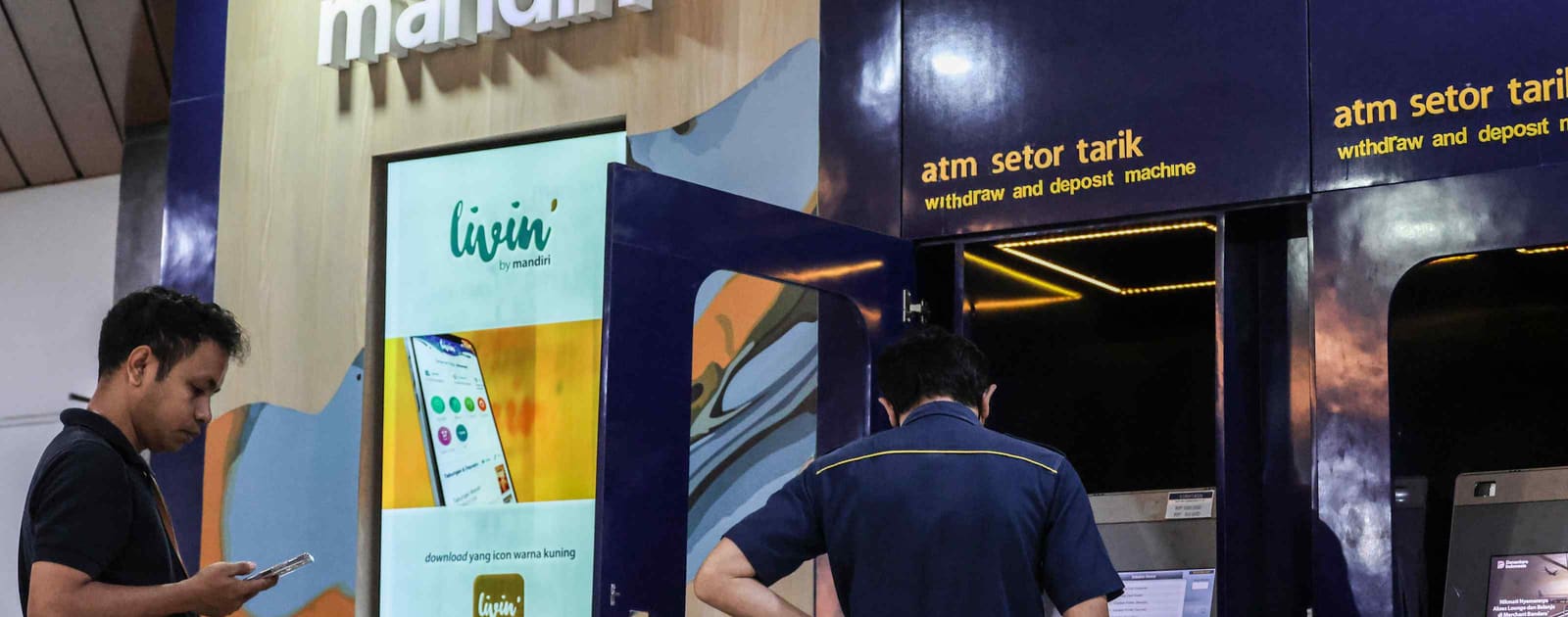
KEY TAKEAWAYS
- ·Indonesian banks reported strong loan and profit growth in the first half of 2026, but government liquidity injections supporting state-owned lenders like Bank Mandiri are set to mature in October.
- ·The sector faces tighter liquidity conditions and rising interest margin pressure as individual savings growth slows and macroeconomic challenges persist.
- ·Loan growth is expected to moderate as banks adjust lending targets to match available funding, with digital lenders particularly vulnerable to the liquidity squeeze.
Strong First-Half Performance Masks Emerging Pressures
Indonesia's banking sector delivered robust loan and profit growth in the first half of 2026, with institutions ranging from state-owned giants to smaller digital lenders reporting healthy expansion. Yet beneath the strong headline numbers, the industry is bracing for a more constrained operating environment as liquidity conditions tighten and macroeconomic headwinds persist.
State-owned lenders including Bank Mandiri have benefited from government liquidity injections that helped fuel loan books and earnings. However, those funds are scheduled to mature in October 2026, according to Bank Mandiri, creating a potential inflection point for the sector. The expiration coincides with broader challenges, including rising interest margin pressure and moderating deposit growth from individual savers.
The Liquidity Turning Point
The October maturity date represents a critical juncture for Indonesian banks. Government liquidity support has provided a cushion that allowed lenders to maintain aggressive lending while keeping funding costs manageable. As that support rolls off, banks will need to compete more intensely for deposits in an environment where individual savings growth is already slowing.
This dynamic is particularly significant for Indonesia's state-owned banks, which have historically relied on government-related funding flows. The shift will require these institutions to adjust their asset-liability management strategies and potentially scale back loan growth targets to match available funding.
Digital banks, which have grown rapidly by offering higher deposit rates to attract customers, may find themselves squeezed between the need to maintain competitive rates and the pressure to preserve profitability. Their smaller deposit bases and less diversified funding sources make them more vulnerable to liquidity tightening than their larger peers.
Moderating Loan Growth Ahead
The combination of tighter liquidity and slowing individual savings is expected to moderate the loan growth that has characterized the first half of 2026. Banks across the sector will likely need to recalibrate their lending ambitions to align with funding availability, particularly in retail segments that rely heavily on deposit funding.
Interest margin pressure adds another layer of complexity. As banks compete for scarce deposits, funding costs are likely to rise. At the same time, lending rates face downward pressure from economic uncertainty and borrower resistance. This squeeze on net interest margins could constrain profitability even as loan volumes remain solid.
The macroeconomic backdrop compounds these challenges. Indonesia's GDP growth slowed to 5.3 percent in the second quarter of 2026, according to official data, raising questions about the sustainability of credit demand. Economists have expressed doubts about the strength of the recovery, suggesting that banks may need to contend with both supply-side funding constraints and demand-side weakness.
Sector-Wide Adjustment
The liquidity shift will test the adaptability of Indonesia's diverse banking landscape. Large state-owned banks have scale and institutional relationships that provide some insulation, but they also face political and policy pressures that can constrain strategic flexibility. Private banks, meanwhile, have more operational freedom but less access to government-related funding sources.
Digital lenders face perhaps the steepest adjustment. Their growth models have depended on aggressive customer acquisition funded by venture capital and high-cost deposits. As liquidity tightens and profitability expectations rise, these institutions will need to demonstrate that their business models can generate sustainable returns without relying on external capital infusions.
The coming months will reveal how effectively Indonesia's banks can navigate this transition. The strong first-half performance provides a buffer, but the October maturity of government liquidity support marks a clear dividing line between the liquidity-rich environment of recent quarters and the more constrained conditions ahead. Banks that have prepared for this shift by building deposit franchises and managing their funding mix will be best positioned to maintain momentum.
RELATED STORIES

Indonesia Debuts Physical Gold ETF as Capital Market Deepens
Siti Nuraini · 3 min

Indonesia's Danantara Readies SOE Listings Amid Valuation and Liquidity Concerns
Siti Nuraini · 3 min
Renminbi Faces Upward Pressure After US-Japan Yen Intervention
Cheng Wei-Lun · 3 min

AI Demand Pushes Southeast Asia Data Centre Investment Despite Power Constraints
Cheng Wei-Lun · 2 min
Spot something wrong? Email editor@briefasia.com. We log every correction publicly.