Technology · Products
Graphics Card Shortage to Push PC Prices Higher as AI Infrastructure Demand Tightens Supply
Hong Kong manufacturer PC Partner warns entry-level cards will see severe scarcity in late 2026, with rising memory costs and extended lead times affecting broader component availability
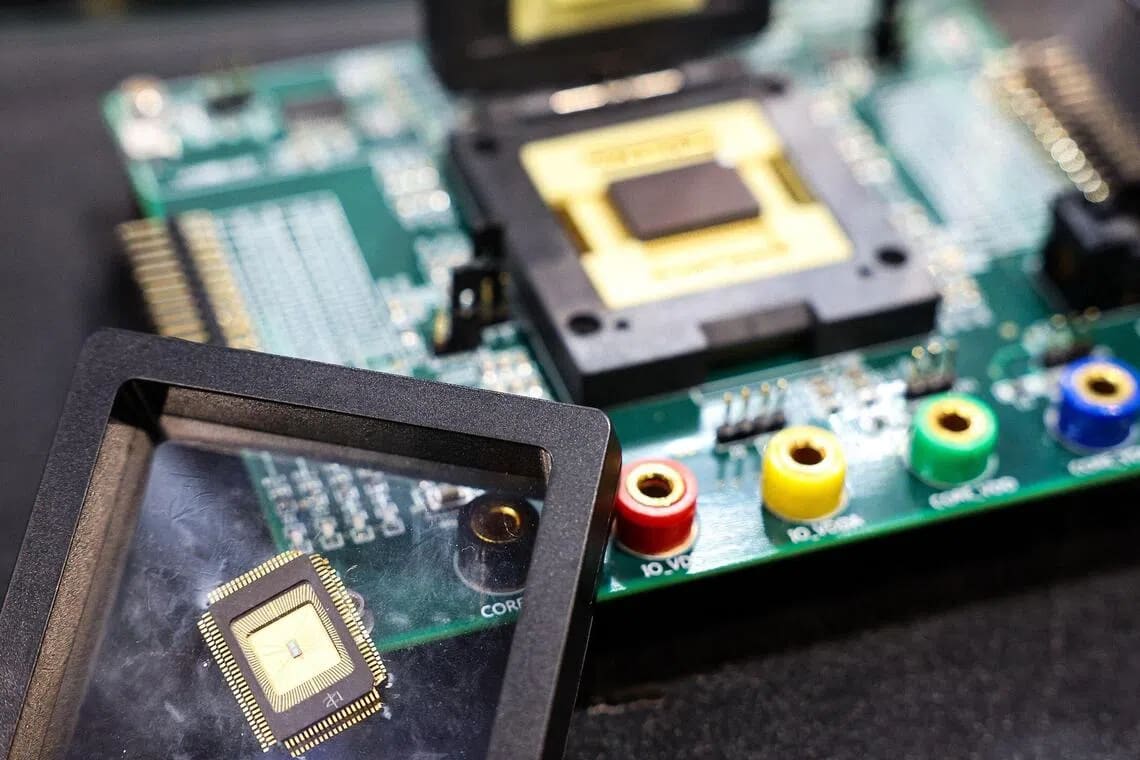
KEY TAKEAWAYS
- ·Hong Kong manufacturer PC Partner expects graphics card shortages to worsen in late 2026, with entry-level models facing severe scarcity and higher prices.
- ·Lead times for CPUs, memory, and key PC components have grown significantly longer, driven by AI infrastructure demand competing for advanced chips.
- ·PC Partner's net profit more than doubled to HK$545.5 million in first-half 2026 despite lower volumes, aided by price increases and new GPU server products.
Component Scarcity Intensifies
PC Partner Group, a Hong Kong-based manufacturer listed on the Singapore Exchange, issued a warning on August 14 that graphics card availability will deteriorate further through the remainder of 2026. The company, which produces video graphics accelerator cards and other computer components, expects entry-level models to face particularly acute shortages.
The scarcity will push average selling prices higher and increase the cost of building even budget desktop computers, according to the company's first-half results statement. Graphics cards contain GPUs and specialized graphics memory essential for gaming, video editing, and graphics-intensive applications.
Rising graphics memory chip costs will drive a substantial increase in graphics card prices during the second half of the year, PC Partner said. The company manufactures cards powered by GPUs designed by Nvidia and other chipmakers.
AI Infrastructure Drives Tight Supply
While PC Partner did not detail specific causes, industry observers point to intensifying demand from AI companies building out infrastructure as a primary driver. The competition for advanced chips and memory between consumer electronics and AI data centers has created supply bottlenecks across multiple component categories.
The constraints extend beyond graphics cards alone. PC Partner reported that lead times for central processing units, memory, and other critical components have grown significantly longer, affecting the entire PC manufacturing ecosystem. The scarcity disrupted production of the company's mini-PCs and electronic products during the first half.
Financial Performance Defies Volume Decline
PC Partner's revenue climbed 1.5 percent to HK$6.45 billion in the first half of 2026, driven by increased contract manufacturing orders that offset weaker own-brand sales. Revenue from the company's branded graphics cards fell as GPU and graphics memory shortages constrained sales volumes.
Despite lower volumes, average selling prices for own-brand graphics cards rose 10.7 percent year-on-year. The price increases helped push net profit up more than twofold to HK$545.5 million, compared with HK$250.4 million in the same period a year earlier.
The company's share price reflects investor optimism around AI-related growth. PC Partner closed at $3.23 on August 14, up 2.2 percent, bringing year-to-date gains to more than 243 percent as global AI infrastructure spending accelerated.
Diversification Strategy Amid Market Pressure
PC Partner acknowledged that conditions will become more challenging for its PC business as component constraints intensify through the second half. The company described the PC market as highly challenging, with supply constraints driving sharp increases in component costs and slowing consumer demand.
To offset weakness in traditional PC products, PC Partner plans to begin shipping new GPU servers and AI-related products during the second half. The company expects these offerings to become a key growth driver in coming years and remains confident of achieving full-year revenue growth despite near-term headwinds.
The shift reflects a broader pattern across Asian hardware manufacturers, many of which are redirecting capacity and development resources toward AI infrastructure products as consumer electronics markets face margin pressure and supply volatility. PC Partner's contract manufacturing business, which builds graphics cards for other companies, has provided some buffer against own-brand volume declines.
The combination of constrained supply, rising input costs, and lengthening lead times signals continued pressure on PC affordability through at least the remainder of 2026, particularly for consumers seeking entry-level systems.
RELATED STORIES

Former Arm China Co-CEO Returns to Singapore to Build AI Chip Startup
Cheng Wei-Lun · 3 min
DBS Reshuffles Senior Leadership Across Three Asian Markets
Priyanka V. Rao · 3 min
Hong Kong Positions Itself as Asia's Next Biotech Research Hub
Priyanka V. Rao · 2 min
Asian Routes Become Conduit for Billions in Tariff Evasion
Cheng Wei-Lun · 3 min
Spot something wrong? Email editor@briefasia.com. We log every correction publicly.