Asia · Business
Tây Ninh Emerges as Vietnam's Fourth-Largest FDI Magnet in First Half
Southern border province approved $2.24 billion across 139 projects, signaling renewed investor confidence in Vietnam's manufacturing corridor

KEY TAKEAWAYS
- ·Tây Ninh province approved 139 foreign investment projects worth $2.24 billion in the first half, ranking fourth nationwide.
- ·Capital expansions by existing investors totaled $1.9 billion, signaling confidence in the border province's manufacturing infrastructure.
- ·The province's rise reflects Vietnam's broader FDI rebound and manufacturers' shift toward alternative industrial corridors beyond coastal hubs.
Border Province Climbs Investment Rankings
Tây Ninh province secured the fourth spot among Vietnamese localities for foreign direct investment in the January-June period, approving 139 transactions that injected $2.24 billion into the southern border region. The figure reflects a sharp pivot by multinational manufacturers seeking alternatives to coastal industrial zones as land costs rise and export corridors diversify.
Seventy greenfield ventures brought nearly $340 million in fresh commitments, while 69 existing operations expanded registered capital by more than $1.9 billion. The expansion wave underscores confidence among electronics assemblers, plastics processors, and logistics operators already embedded in the province's industrial parks, many of whom are adding production lines to serve Southeast Asian and North American markets.
Manufacturing Corridor Gains Momentum
Tây Ninh's investment surge mirrors broader shifts in Vietnam's FDI landscape. The province sits along National Highway 22, a trunk route linking Ho Chi Minh City to the Cambodian border, and benefits from proximity to the southern metropolis without the congestion and wage premiums of Binh Duong or Dong Nai. Industrial park developers have responded by rolling out plug-and-play facilities tailored to mid-sized manufacturers looking to de-risk supply chains concentrated in China's Pearl River Delta.
The capital-expansion approvals, which dwarf the value of new projects, suggest that incumbents are doubling down rather than testing the waters. Several Taiwanese and South Korean component makers have filed paperwork to add warehousing and testing capacity, anticipating longer order books as global buyers spread procurement across multiple Vietnamese provinces.
Policy and Infrastructure Tailwinds
Local authorities have streamlined land clearance and environmental permits, cutting average approval times for industrial projects from eight months to under five. A new dry port near the border, slated for completion next year, will handle containerized freight bound for Phnom Penh and Thailand's eastern seaboard, reducing trucking costs for exporters.
Tây Ninh's ranking also reflects a nationwide rebound in FDI disbursement. Vietnam attracted $15.2 billion in pledged foreign capital during the first half, a year-on-year increase driven by semiconductor packaging ventures, renewable-energy component plants, and data-center commitments. The southern economic corridor, anchored by Ho Chi Minh City and extending west to the Mekong Delta, accounted for roughly 60 percent of that total.
What Comes Next
The province's challenge will be sustaining momentum as competing localities offer similar incentives and infrastructure upgrades. Hanoi and northern provinces have launched rival campaigns targeting electric-vehicle suppliers and battery manufacturers, sectors that command higher investment tickets and technology transfer. Tây Ninh officials are pitching the border location as a gateway to the ASEAN market, emphasizing cross-border trucking times and duty-free access under the Regional Comprehensive Economic Partnership.
Whether the first-half performance translates into long-term manufacturing hubs depends on workforce development and power reliability. Several industrial parks reported temporary electricity rationing during the April-May dry season, prompting calls for on-site solar arrays and battery storage. Training centers are ramping up courses in CNC machining and quality control to meet demand from precision-component makers, though labor mobility remains high as younger workers gravitate toward service jobs in Ho Chi Minh City.
For now, Tây Ninh's climb to fourth place signals that Vietnam's FDI map is expanding beyond traditional clusters. Investors are betting that the next wave of export growth will come from provinces that can offer land, logistics, and lower operating costs without sacrificing access to major ports and airports.
RELATED STORIES
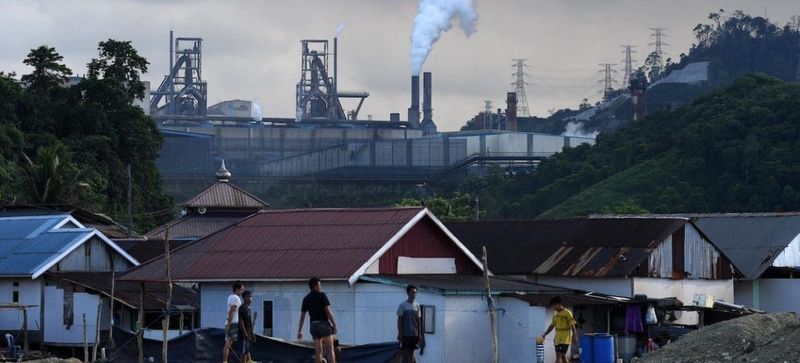
Southeast Asian Factories Adopt Proximity Planning to Retain Workers and Investors
Lim Hui Ying · 3 min
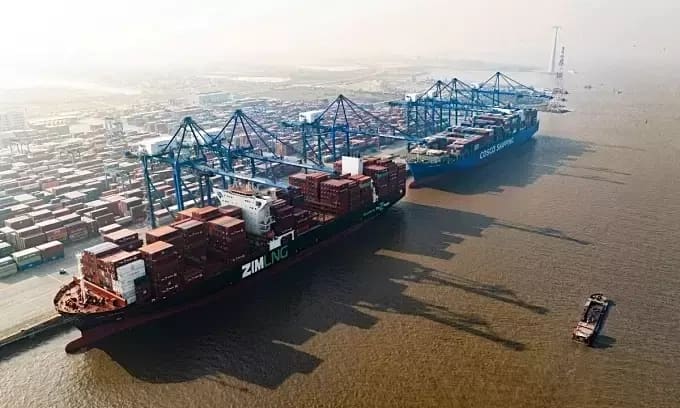
Vietnam's Trade Turnover Hits $770 Billion as Imports Surge Past Exports
Jun-ho Seo · 2 min
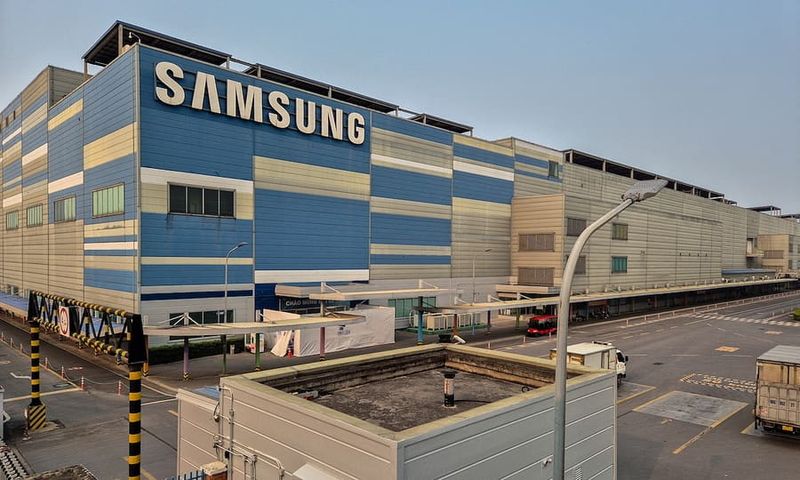
Samsung's Vietnam Operations Post 23% Profit Jump to $2.3 Billion
Tran Quoc Bao · 3 min
Chinese Brands Capture Vietnam's $92 Million Robot Vacuum Market
Siti Nuraini · 3 min
Spot something wrong? Email editor@briefasia.com. We log every correction publicly.