Asia · Business
Taiwan's Auto Market Climbs 8.9 Percent in July Despite Typhoon and Regional Tensions
Dealers pushed aggressive promotions before Ghost Month, lifting sales to 38,657 units as full-year forecasts reach 440,000 vehicles on tax incentives
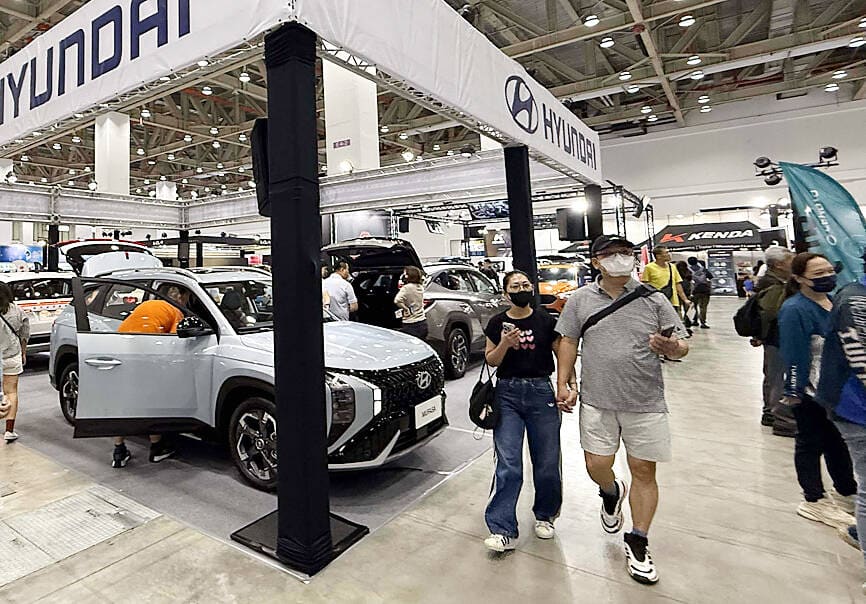
KEY TAKEAWAYS
- ·Taiwan sold 38,657 new cars in July, up 8.9 percent year-on-year, as dealers pushed promotions ahead of Ghost Month starting next week.
- ·Hotai Motor forecasts full-year sales will reach 440,000 units, an 8.6 percent increase, supported by government tax deductions of up to NT$100,000 per vehicle.
- ·August sales are expected to drop roughly 5 percent to 28,000 units due to cultural reluctance to buy big-ticket items during Ghost Month.
Pre-Holiday Rush Lifts July Sales
Taiwan's new car market posted 38,657 unit sales in July, an 8.9 percent increase from the 35,483 units sold in the same month last year, according to data from market researcher U-Car. The gain came as dealers rolled out promotions ahead of Ghost Month, the traditional seventh lunar month when many consumers avoid major purchases.
Sales dipped 6.54 percent from June's 41,361 units, the highest monthly tally this year. Typhoon Bavi disrupted showroom traffic during the final days of July, trimming what would have been a stronger month. Still, cumulative sales for the first seven months reached 240,935 units, up 2.9 percent year-on-year.
The July performance reflects a market navigating both opportunity and headwinds. Geopolitical friction across the Taiwan Strait and swings in global crude oil prices have kept some buyers cautious, yet dealer incentives proved strong enough to pull forward demand.
Ghost Month Casts Shadow on August
Hotai Motor, the distributor for Toyota, Lexus, and Hino brands in Taiwan, expects August sales to fall roughly 5 percent year-on-year to around 28,000 units. Ghost Month begins Thursday next week, and the cultural reluctance to buy big-ticket items during this period typically dampens showroom activity.
Hotai commanded a 38.4 percent share of the market through July, making its outlook a bellwether for the broader industry. The company's forecast aligns with decades of seasonal patterns in Taiwan's auto retail calendar.
Despite the near-term softness, Hotai projects full-year sales will climb 8.6 percent to 440,000 units. A government tax incentive program is underpinning that optimism. Buyers who scrap older vehicles qualify for a commodity tax deduction of up to NT$100,000 per new car, a measure designed to accelerate fleet renewal and reduce emissions.
Electric and Luxury Segments Drive Second-Half Optimism
Yulon Nissan Motor sees momentum building in the second half of the year, particularly in electric vehicles and premium models. The distributor forecasts full-year sales will rise 3.7 percent to 420,000 units, a more conservative estimate than Hotai's but still reflecting confidence in sustained demand.
Electric vehicle adoption in Taiwan has accelerated as charging infrastructure expands and model availability improves. Luxury buyers, meanwhile, have shown resilience even as economic uncertainty lingers. Both segments tend to be less sensitive to short-term price volatility in fuel or raw materials.
The divergence in full-year forecasts between Hotai and Yulon Nissan highlights differing views on how quickly the tax incentive will translate into showroom conversions. Hotai's higher estimate suggests it expects stronger pull-through from the scrappage program, while Yulon Nissan's figure may reflect a more measured view of consumer spending power.
What August Will Reveal
August will test whether the July uptick was genuinely demand-driven or merely a calendar shift. If buyers who intended to purchase in August moved their decisions into July to avoid Ghost Month, the seasonal dip could be sharper than the 5 percent Hotai anticipates.
Conversely, if the tax incentive continues to attract first-time buyers or those replacing aging vehicles, the market could stabilize faster once Ghost Month ends in early September. Dealers typically ramp up promotions again in the autumn, targeting year-end sales goals.
Taiwan's auto market remains one of the more stable in Asia, supported by high household incomes and a well-developed financing ecosystem. The tax deduction program adds a fiscal tailwind at a time when regional peers face softer consumer sentiment. How dealers and manufacturers deploy inventory and incentives over the next two months will shape whether the 440,000-unit target proves achievable or overly ambitious.
For now, the July numbers suggest that even in a cautious environment, targeted policy and strategic promotion can keep the market moving forward.
RELATED STORIES

Taiwan GDP Growth Forecast Lifted to 11.6% on AI Chip Demand
Cheng Wei-Lun · 3 min

Eurasian Security Bloc Convenes as Shein Prices Hong Kong IPO
Cheng Wei-Lun · 3 min
Taiwan's National Security Council Expands Role in Defense Strategy
Cheng Wei-Lun · 3 min

South Korea's Chip Concentration Carries Lower Risk Than Taiwan's, Financial Analysis Shows
Cheng Wei-Lun · 3 min
Spot something wrong? Email editor@briefasia.com. We log every correction publicly.