Asia · Business
StarHub Consolidates MyRepublic Mobile Subscribers in Network Expansion
The deal shifts MyRepublic's 4G customers from M1 infrastructure, marking another step in Singapore's telecom consolidation wave.
KEY TAKEAWAYS
- ·StarHub has absorbed all MyRepublic Mobile subscribers onto its network, migrating 4G customers from M1 infrastructure under an expanded partnership agreement announced August 6.
- ·The move follows the June shutdown of MVNO RedOne and the closure of seven virtual operators in Singapore between 2020 and 2026 amid consolidation pressures.
- ·Singapore's telecom sector consolidation continues after Simba's proposed M1 acquisition collapsed in May when regulators investigated alleged spectrum violations.
Full Network Migration Completed
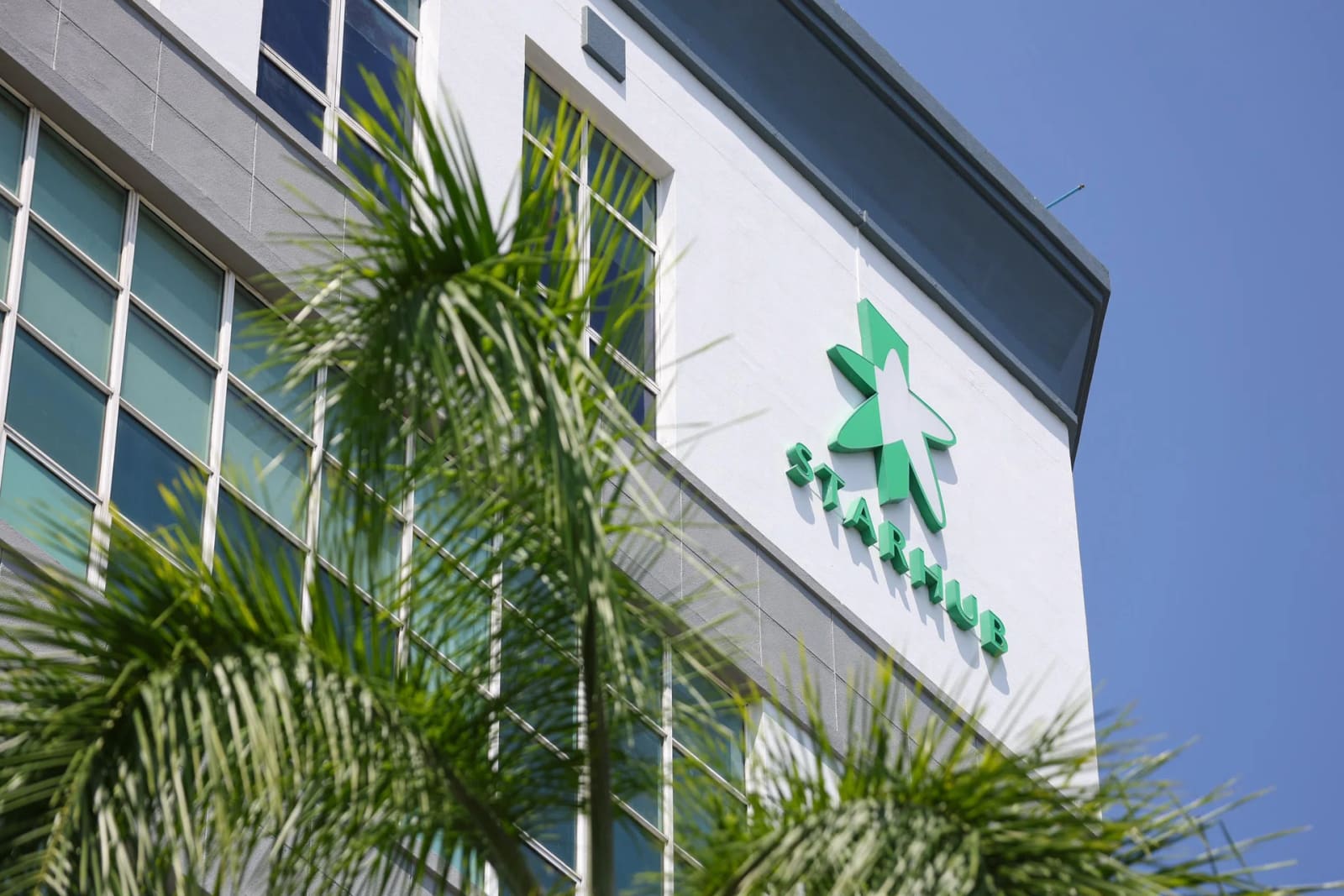
StarHub has absorbed the entire customer base of MyRepublic Mobile onto its network infrastructure, completing a migration that began with a 5G wholesale agreement in 2022. The telco announced the move on August 6, which transfers MyRepublic's 4G subscribers from M1's network to StarHub's infrastructure.
The development extends a partnership that started four years ago when StarHub first began providing 5G network access to MyRepublic customers. MyRepublic operates as a mobile virtual network operator, delivering cellular service without owning physical tower infrastructure.
StarHub acquired MyRepublic's Singapore broadband division in August 2025, a transaction that preceded the current mobile network consolidation. The company declined to disclose how many subscribers the arrangement adds to its base, though a spokesperson confirmed StarHub remains Singapore's second-largest mobile operator by revenue market share.
Consolidation Pressures Mount
The absorption follows the June 30 shutdown of RedOne, another MVNO that operated on StarHub's 4G network. RedOne's subscribers migrated to eight Telecom, a StarHub-backed MVNO. Between 2020 and 2026, seven MVNOs ceased operations in Singapore, including Changi Mobile, which Changi Airport Group operated.
Despite the contraction, StarHub maintains that virtual operators still serve a function in the market. "We believe there is value in a diverse and competitive market, supported by strong network infrastructure," a company spokesperson said.
The Singapore telecom sector has seen repeated consolidation attempts over the past two years. The most significant recent effort collapsed in May when regulators halted Simba's proposed acquisition of M1 to investigate alleged spectrum violations. Keppel, M1's parent company, allowed the deal to lapse after the long-stop date passed.
Market Dynamics Shift
Keppel CEO Loh Chin Hua indicated at the company's first-half 2026 results briefing that regulators did not object to telecom consolidation in principle. If Keppel pursues another transaction to divest M1, the company will prioritize deal certainty, he noted.
StarHub CEO Nikhil Eapen framed the MyRepublic mobile absorption as part of the company's broader strategy. "We have taken another step towards leading the ongoing consolidation of Singapore's telecommunications market," he said.
Matt Williams, StarHub's CEO-designate and head of its consumer business division, signaled continued interest in similar arrangements. "As the market continues to evolve, we'll continue to pursue opportunities that strengthen our business, create lasting value for customers, and ensure more people benefit from a network they can rely on every day," Williams said.
The Singapore telecom landscape now features fewer independent mobile brands as network operators absorb smaller players and MVNOs struggle to maintain viable customer bases. The trend reflects cost pressures and intensifying competition in a mature market where spectrum licenses and infrastructure investments create high barriers to entry.
For MyRepublic, the network shift represents a strategic pivot from managing multiple wholesale relationships to relying entirely on StarHub for mobile infrastructure. The company continues to operate under its own brand while leveraging StarHub's physical network assets.
The consolidation pattern suggests Singapore's mobile market is moving toward a tighter oligopoly structure, with three major network operators controlling most subscriber relationships either directly or through MVNO partnerships. How regulators balance competition concerns against industry economics will shape the sector's structure through the rest of the decade.
RELATED STORIES

Two European Banks Lock Radiant World Accounts as Iron Ore Trader Faces Widening Freeze
Cheng Wei-Lun · 3 min
Singapore Wage Council Opens Consultation for 2026-2027 Guidelines
Priyanka V. Rao · 2 min

Singapore's Religious Sector Collected $1.4 Billion in Donations Last Year
Priyanka V. Rao · 4 min

Utah Positions Itself as Lower-Profile Alternative to Texas for Asian Capital
Priyanka V. Rao · 4 min
Spot something wrong? Email editor@briefasia.com. We log every correction publicly.