Asia · Trade
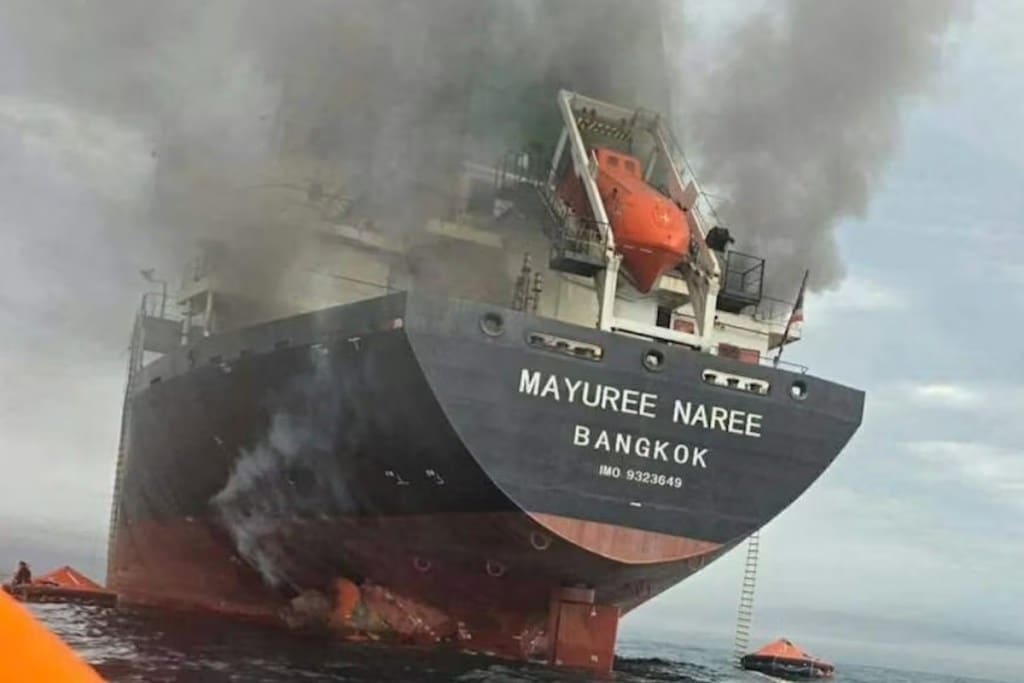
Southeast Asia Faces Uneven Economic Impact From Hormuz Shipping Disruption
Energy-importing nations bear the brunt while strategic port economies find unexpected opportunities in the ongoing strait crisis
KEY TAKEAWAYS
- ·Thailand, the Philippines, and Vietnam face surging import costs as Hormuz disruption adds two weeks and steep freight premiums to Middle Eastern crude deliveries.
- ·Singapore's bunkering and transshipment volumes have climbed as longer shipping routes require additional refueling stops and cargo consolidation.
- ·The crisis has accelerated energy diversification efforts across ASEAN, with Indonesia fast-tracking LNG terminals and Thailand reviving nuclear feasibility studies.
The Regional Divide
The disruption to shipping lanes through the Strait of Hormuz has exposed the structural vulnerabilities of Southeast Asian economies in ways that defy simple narratives. While the crisis began as a petroleum supply story, its ripple effects have created a bifurcated regional landscape where geography, energy dependency, and logistics infrastructure determine winners and losers.
ASEAN nations that rely heavily on Middle Eastern crude imports face the sharpest pain. Thailand, the Philippines, and Vietnam have watched their import costs surge as tankers reroute around the Arabian Peninsula, adding two weeks and substantial freight premiums to every cargo. Thailand's manufacturing sector, which depends on Gulf crude for roughly 60 percent of its oil supply, has seen input costs climb faster than manufacturers can adjust pricing or swap suppliers.
The Philippines faces a compounded challenge. Its refineries are configured for Middle Eastern crude grades, meaning alternative suppliers from Russia or the Americas require costly adjustments or discounted sales of incompatible products. Energy-intensive industries, from cement to steel, have curtailed production rather than absorb margin-crushing fuel bills.
Vietnam's export factories, operating on thin margins in textiles and electronics assembly, confront a dual squeeze. Diesel and bunker fuel costs have risen while container shipping rates from Asia to Europe remain elevated due to longer voyage times and vessel shortages. Some smaller manufacturers have paused orders entirely, waiting for freight economics to stabilize.
Strategic Ports Capture Diverted Flows
Singapore has emerged as an unlikely beneficiary. Its bunkering industry, already the world's largest by volume, has seen throughput jump as ships take longer routes and require additional refueling stops. Traders and ship operators are parking more vessels in Singapore's anchorage, using the city-state as a floating storage and blending hub while awaiting clarity on freight routes and fuel price direction.
The Port of Singapore Authority has reported a sustained uptick in transshipment volumes as cargo originally destined for direct Middle East-to-Europe routes now moves through Southeast Asian hubs. Container dwell times have shortened, a sign that logistics operators view Singapore as a safer and more predictable node in a fractured global network.
Malaysia's Port Klang and Indonesia's newer facilities in Batam have also registered gains, though smaller in scale. Both are absorbing overspill traffic that Singapore cannot accommodate during peak periods. Malaysian port operators have accelerated infrastructure projects that were scheduled for 2027, betting that the crisis will durably reshape trade corridors.
Energy Transition Accelerates Unevenly
The crisis has quietly accelerated energy diversification efforts, but the pace varies sharply by country. Indonesia, a net oil importer despite its producer legacy, has fast-tracked liquefied natural gas import terminals and coal-to-liquids pilot projects. The government has also relaxed permitting timelines for renewable energy projects, particularly solar farms in Sumatra and Kalimantan, as a hedge against future supply shocks.
Thailand's state energy planners have revived discussions around nuclear power, a politically sensitive topic that had stalled after Fukushima. While no concrete commitments have been made, feasibility studies for small modular reactors are now funded and underway, with sites in the eastern industrial corridor under evaluation.
The Philippines has taken a different path, negotiating long-term supply agreements with non-Gulf producers at fixed spreads to Brent crude. These contracts lock in some price certainty but sacrifice the spot-market flexibility that previously allowed Manila to optimize procurement.
Labor Markets and Remittances
A less visible dimension of the crisis involves migrant workers. The Philippines and Indonesia each have hundreds of thousands of nationals employed in Gulf economies, particularly in construction, domestic work, and hospitality. Remittance flows from these workers, which represent a significant share of household income in sending regions, have remained stable so far but face downside risk if Gulf economies slow or if worker rotations are delayed due to flight disruptions.
Recruitment agencies in Manila and Jakarta report a sharp drop in new placements to Gulf states, with some workers redirecting to Singapore, Japan, and South Korea. The shift may prove durable if Gulf labor demand softens or if Southeast Asian labor markets tighten as domestic infrastructure spending increases.
The Path Ahead
The Hormuz disruption has clarified which ASEAN economies possess the flexibility to adapt and which remain structurally exposed to external shocks. Energy import dependence, refinery configuration, and port infrastructure have become the key variables separating resilience from vulnerability.
For now, the crisis continues to redraw trade and energy maps across the region. How long the divergence persists will depend on the duration of the Hormuz closure and whether ASEAN governments use this moment to build redundancy into energy and logistics networks, or simply wait for a return to the old equilibrium.
RELATED STORIES

Five ASEAN Members Back Regional Oil Stockpile as Study Nears Completion
Tran Quoc Bao · 3 min
Southeast Asian Firms Overlook Digital Pact Worth USD 2 Trillion
Lim Hui Ying · 4 min
Vietnam Draws $7.5 Billion From Singapore in Seven Months
Priyanka V. Rao · 3 min
Singapore and Vietnam Launch Strategic Dialogue on Talent and Technology
Priyanka V. Rao · 3 min
Spot something wrong? Email editor@briefasia.com. We log every correction publicly.