Sustainability · Energy
Power Rationing Spreads Across Southeast Asia as Strait of Hormuz Crisis Enters Third Month
Energy-dependent economies from Vietnam to Pakistan face rolling blackouts and industrial slowdowns amid prolonged oil transit disruptions
KEY TAKEAWAYS
- ·Vietnam, Cambodia, Pakistan, and Bangladesh have implemented rolling blackout schedules as the Strait of Hormuz crisis enters its third month, with industrial facilities operating at reduced capacity.
- ·Brent crude has climbed above $105 per barrel while Asian LNG prices near $18 per million BTU as alternative shipping routes add 30 to 40 percent to freight costs.
- ·Diplomatic efforts to reopen the strait remain stalled at the UN Security Council, leaving energy-dependent Asian economies navigating prolonged supply disruptions with limited strategic reserves.
Emergency Measures Accelerate
Governments across Asia have escalated energy rationing programs as the Strait of Hormuz crisis extends into its third month with no resolution in sight. Vietnam, Cambodia, Pakistan, and Bangladesh have all implemented staggered blackout schedules affecting residential neighborhoods, commercial districts, and manufacturing zones.
The disruption has forced industrial producers to cut shifts and delay orders. Textile factories in Dhaka and Karachi report operating at 60 percent capacity, while electronics assembly plants in Ho Chi Minh City have idled portions of their production lines. Small businesses dependent on consistent power supply face mounting losses as customers adjust routines around unpredictable outages.
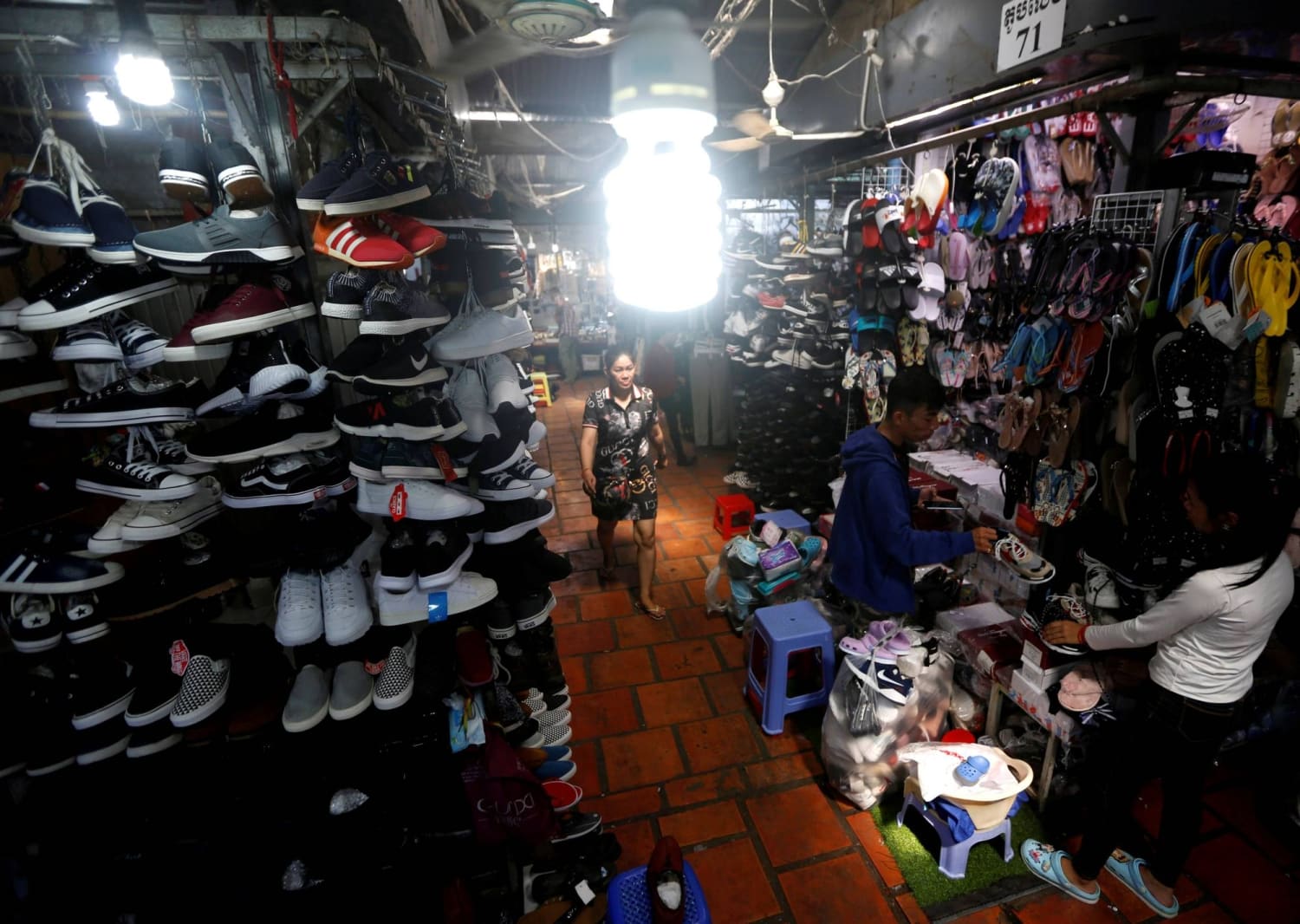
Energy ministries in affected countries have prioritized hospitals, water treatment facilities, and critical infrastructure, leaving residential and commercial users to navigate multi-hour blackouts that rotate through neighborhoods on published schedules. In Phnom Penh, street vendors now time their operating hours to coincide with available electricity, adjusting inventory and staffing to match the power grid's availability.
Supply Chain Pressures Mount
The extended closure of the Strait of Hormuz has severed the primary route for crude oil and liquefied natural gas shipments to Asia. Approximately 21 million barrels of oil pass through the strait daily under normal conditions, with the majority destined for refineries in China, Japan, South Korea, and India.
Alternative shipping routes around Africa add 10 to 15 days to transit times and increase freight costs by an estimated 30 to 40 percent. Spot prices for Brent crude have climbed above $105 per barrel, the highest level since early 2022. Natural gas prices in Asian markets have surged in parallel, with Japan-Korea Marker futures trading near $18 per million British thermal units.
Countries with limited strategic petroleum reserves face the most acute pressure. Thailand and the Philippines have announced plans to accelerate coal plant operations and extend the life of aging facilities previously scheduled for decommissioning. Environmental groups have criticized the moves as setbacks to decarbonization goals, but officials defend the measures as necessary to prevent grid collapse.
Regional Responses Diverge
Wealthier economies with deeper financial buffers have absorbed the shock through subsidies and emergency fuel purchases. Singapore has tapped commercial oil storage facilities and activated swap agreements with regional partners. Japan has released a portion of its strategic reserves and negotiated additional LNG cargoes from Australia and the United States.
Less affluent nations lack similar flexibility. Pakistan has secured a short-term credit line from Saudi Arabia to purchase replacement fuel, but the agreement carries repayment terms that will strain public finances. Bangladesh has appealed to multilateral lenders for concessional financing to cover elevated import costs.
Cambodia, heavily reliant on diesel generators for electricity generation outside Phnom Penh, faces particular vulnerability. The government has urged citizens to reduce consumption during peak hours and has temporarily suspended new industrial electricity connections. Rural areas dependent on off-grid diesel systems have seen fuel prices double in local markets.
Diplomatic Efforts Stall
International mediation efforts to reopen the strait have yielded limited progress. The United Nations Security Council remains deadlocked, with competing resolutions failing to gain the necessary votes. Regional diplomatic initiatives led by Oman and the United Arab Emirates have produced tentative dialogue but no concrete agreements on transit security or de-escalation timelines.
Energy analysts warn that prolonged disruption could trigger broader economic slowdowns across Asia. Manufacturing export revenues, already under pressure from softening global demand, face additional headwinds as production costs rise and delivery schedules slip. Currency depreciation in import-dependent economies has compounded the challenge, making dollar-denominated fuel purchases more expensive in local terms.
Infrastructure Gaps Exposed
The crisis has highlighted the fragility of energy infrastructure across the region. Many countries lack sufficient interconnection capacity to share electricity across borders during shortages. Plans to build regional power grids and expand renewable generation remain years from completion, leaving governments dependent on fossil fuel imports for baseload generation.
Renewable energy projects have accelerated in response, but the timeline for deployment cannot address immediate shortfalls. Solar and wind installations require permitting, financing, and construction that extend well beyond the current crisis window. Battery storage systems capable of stabilizing grids during supply disruptions remain prohibitively expensive for most emerging economies.
The immediate outlook depends on diplomatic breakthroughs that remain elusive. Until the Strait of Hormuz reopens to commercial traffic, energy-starved Asian economies will continue navigating the trade-offs between economic disruption, fiscal strain, and environmental commitments. For now, rolling blackouts have become the visible cost of a geopolitical standoff with no clear end.
RELATED STORIES
Oil Markets Hold Steady as Lebanon Clashes and Hormuz Threats Complicate US-Iran Talks
Priyanka V. Rao · 3 min
US Naval Blockade Threat Lifts Oil Prices Amid Iran Strait Tensions
Priyanka V. Rao · 3 min

Thailand Targets 5 GW Rooftop Solar Push to Cut LNG Exposure
Priyanka V. Rao · 3 min

Manila's Hyperscaler Bet Draws Fire Over Job Creation and Grid Strain
Priyanka V. Rao · 5 min
Spot something wrong? Email editor@briefasia.com. We log every correction publicly.