Technology · Startups
South Korean Hair-Loss Biotech Wins Government Grant for Research Push
Lee Moon Won Bio secures W800 million in TIPS funding, leveraging two decades of clinical data and international patent portfolio
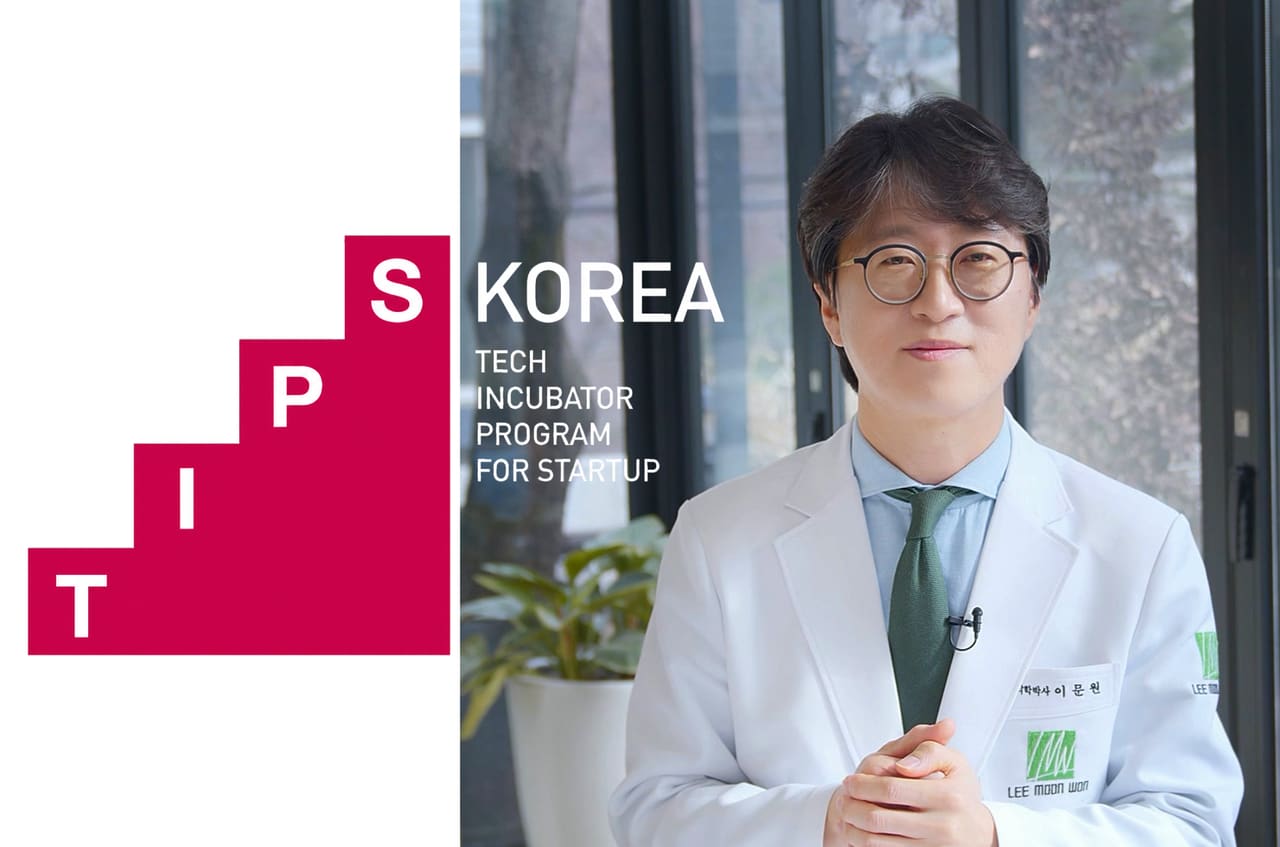
KEY TAKEAWAYS
- ·Lee Moon Won Bio will receive W800 million in TIPS funding from South Korea's government to advance hair-loss research built on 20 years of clinical data and 11 international patent filings.
- ·TIPS selection validates the company's potential and may unlock private capital, though bringing a biologic therapy to market typically requires tens of millions of dollars beyond initial grants.
- ·The firm must now demonstrate clinical efficacy in controlled trials and choose between a pharmaceutical route with higher margins or a faster cosmetic-grade product pathway.
From Clinic to Research Lab
Lee Moon Won Bio has secured a place in South Korea's competitive TIPS program, a government-backed initiative that channels funding to technology startups with commercial promise. The company announced Monday it will receive approximately W800 million ($545,200) in research support, marking a significant milestone for a firm built on clinical foundations in Korean traditional medicine.
The Seoul-based biotech spun out from Lee Moon Won Korean Medicine Clinic, drawing on more than 20 years of patient data and treatment protocols focused on hair-loss conditions. That clinical legacy now underpins a research operation with 11 patents and applications filed through the Patent Cooperation Treaty, an international framework that allows inventors to seek protection across multiple jurisdictions simultaneously.
What TIPS Selection Means
TIPS, short for Tech Incubator Program for Startup Korea, operates as the country's flagship accelerator for early-stage ventures in science and engineering. Administered by the Ministry of SMEs and Startups, the program combines direct grants with mentorship, investor introductions, and access to government procurement channels. Selection rates hover in the single digits each year, with panels evaluating both technical novelty and market readiness.
For Lee Moon Won Bio, the W800 million allocation will fund research over an undisclosed timeline, likely spanning 24 to 36 months based on typical TIPS grant structures. The company has not disclosed specific milestones or commercialization targets, but the funding suggests regulators see potential in translating traditional medicine insights into scalable treatments.
Hair-Loss Market in Asia
Asia's hair-loss treatment sector has grown steadily as disposable incomes rise and social attitudes shift. South Korea in particular has seen demand for both pharmaceutical and cosmeceutical solutions, driven by younger consumers seeking preventive care alongside older patients managing progressive thinning. Domestic players compete with multinational pharmaceutical firms that dominate the oral and topical prescription markets, leaving room for differentiated approaches rooted in herbal compounds or novel delivery mechanisms.
Lee Moon Won Bio's patent portfolio, while not detailed in the company's announcement, likely covers formulations, extraction processes, or application methods derived from Korean medicine principles. The international filings signal ambitions beyond the domestic market, though regulatory pathways for traditional-medicine-based products vary widely across regions.
Funding Landscape for Korean Biotech
South Korea has channeled billions of won into life sciences over the past decade, aiming to build a biotech sector that can rival its semiconductor and automotive industries. TIPS sits within a broader ecosystem that includes the Korea Institute for Advancement of Technology, regional innovation hubs, and tax incentives for R&D spending. Still, venture funding for biotech remains concentrated in oncology, rare diseases, and cell therapies, leaving specialized areas like dermatology and hair restoration comparatively underfunded.
Government grants like TIPS often serve as validation that helps startups unlock private capital. Lee Moon Won Bio's next test will be demonstrating clinical efficacy in controlled trials, a requirement for regulatory approval in South Korea and export markets. The company has not announced partnerships with contract research organizations or academic medical centers, typical steps for firms transitioning from preclinical work to human studies.
The W800 million figure, while substantial for an early-stage firm, represents a fraction of the capital required to bring a new biologic or small-molecule drug to market. Industry estimates place those costs at tens of millions of dollars when factoring in Phase I through Phase III trials, manufacturing scale-up, and regulatory submissions. Lee Moon Won Bio will need to decide whether to pursue a pharmaceutical route, which offers higher margins but longer timelines, or a cosmetic-grade product that can reach consumers faster with lower evidentiary bars.
For now, the TIPS selection offers breathing room and credibility. Whether the company can convert decades of clinical observation into a commercially viable therapy will depend on data quality, regulatory strategy, and its ability to navigate an increasingly crowded Asian wellness market.
RELATED STORIES
Samsung and SK Hynix Turn Down KEPCO's Multibillion-Dollar Prepayment Demand
Cheng Wei-Lun · 4 min
LG Pivots to AI-Defined Vehicle Platform as Korea Chases China's Self-Driving Lead
Jun-ho Seo · 3 min

SK Hynix May Fast-Track Gwangju Fab Investment Alongside Yongin Expansion
Jun-ho Seo · 3 min

South Korea Taps Three Telecom Giants to Deliver Free AI Services Nationwide
Cheng Wei-Lun · 3 min
Spot something wrong? Email editor@briefasia.com. We log every correction publicly.