Technology · Policy
South Korean Chipmakers Turn to Chinese Equipment Suppliers
Samsung and SK Hynix are quietly testing mainland tooling as Washington's export controls push Seoul to diversify its semiconductor supply chains.
KEY TAKEAWAYS
- ·Samsung and SK Hynix are testing Chinese semiconductor equipment as a hedge against tightening U.S. export restrictions on their mainland facilities.
- ·The move reflects growing concern in Seoul that Washington's controls may expand beyond advanced nodes to mature processes used in memory production.
- ·Chinese toolmakers offer cost advantages and no licensing risk, though they lag Western incumbents in precision and yield for cutting-edge chips.
A Quiet Shift in Procurement Strategy
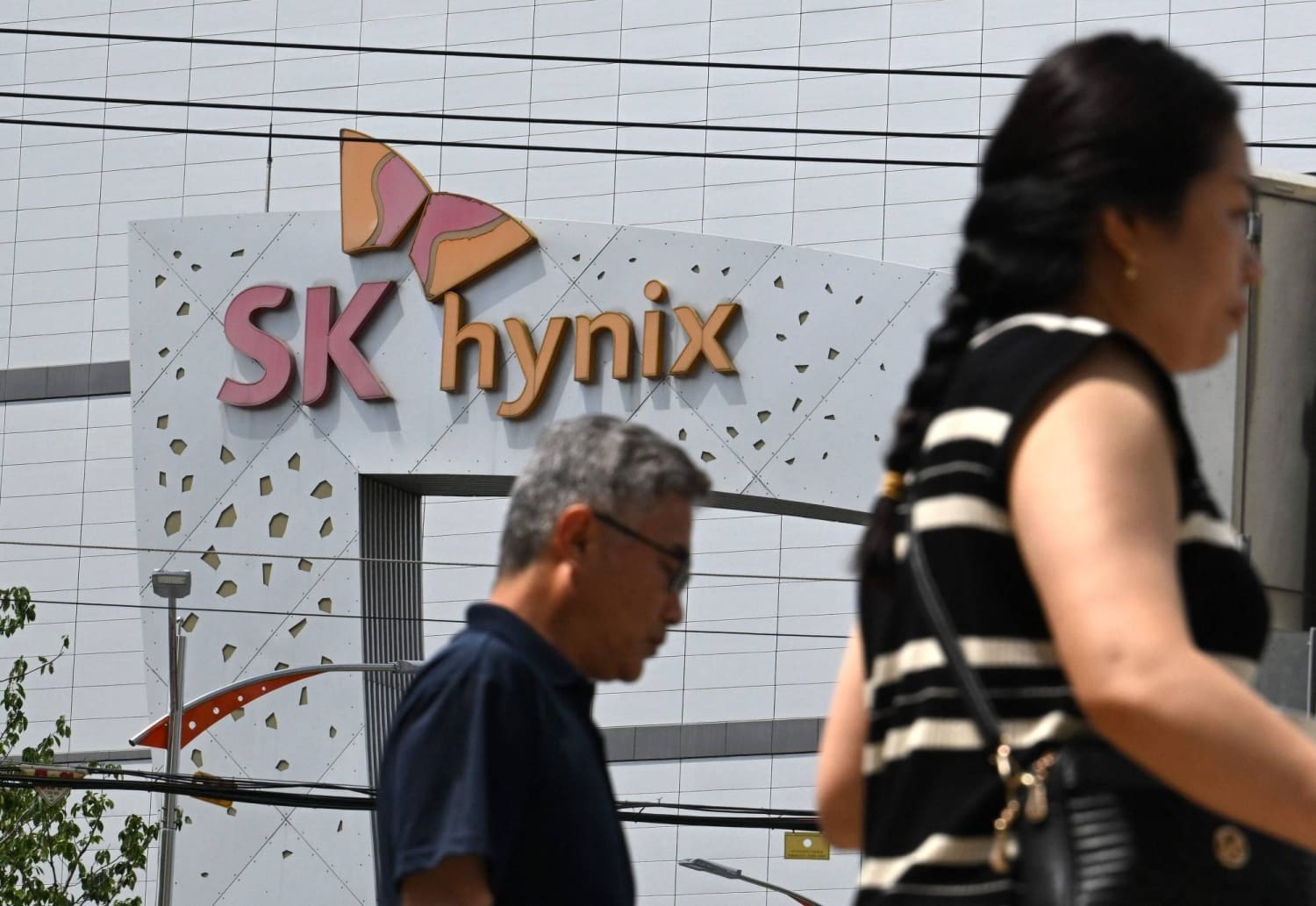
Samsung Electronics and SK Hynix have begun evaluating semiconductor manufacturing equipment from Chinese suppliers, a move that signals growing concern in Seoul about Washington's expanding export control regime. The testing marks a departure from decades of reliance on American and Japanese toolmakers and reflects the strategic calculations now reshaping Asia's chip industry.
Both companies maintain significant production footprints in China. SK Hynix operates DRAM and NAND flash facilities in Dalian and Wuxi, while Samsung runs memory fabrication plants in Xi'an. These sites have become focal points of geopolitical tension as U.S. restrictions on advanced chipmaking technology tighten, forcing Korean manufacturers to weigh operational continuity against compliance risks.
The Equipment Question
The semiconductor manufacturing process depends on highly specialized tools for lithography, etching, deposition, and inspection. Historically, South Korean firms have sourced this equipment from a concentrated group of Western and Japanese vendors. Applied Materials, Lam Research, ASML, and Tokyo Electron dominate the market, and their products are increasingly subject to U.S. export licensing requirements.
Chinese equipment makers have spent the past decade building domestic alternatives, backed by state investment and talent recruitment. While most remain a generation or more behind the leading edge, they have closed the gap in mature process nodes and are now competitive in some mid-tier applications. For memory manufacturers facing supply chain uncertainty, that capability is suddenly relevant.
Risk Calculus in Seoul
The decision to test Chinese tools reflects a hedging strategy rather than an immediate shift in procurement. Samsung and SK Hynix continue to rely on established suppliers for their most advanced production lines, particularly for sub-20nm DRAM and 3D NAND above 200 layers. But the companies are mapping alternatives for older nodes and support processes, where performance tolerances are wider and geopolitical exposure is high.
This calculus has sharpened as Washington has expanded its semiconductor restrictions. The Biden administration's October 2022 controls targeted advanced logic and memory chips, as well as the equipment used to make them. Subsequent updates have tightened geographic and technical definitions, and the incoming administration has signaled it may go further. For Korean firms with billions of dollars invested in Chinese capacity, that trajectory poses a direct threat.
China's Domestic Push
Chinese equipment makers stand to benefit. Companies like NAURA, Advanced Micro-Fabrication Equipment, and Kingsemi have ramped production and expanded their customer bases as Beijing prioritizes supply chain autonomy. While they lack the precision and yield consistency of Western incumbents in cutting-edge processes, they offer cost advantages and are free from export licensing risk.
For Samsung and SK Hynix, the appeal is not performance parity but insurance. If U.S. restrictions tighten further or if geopolitical tensions escalate, having qualified Chinese equipment on hand could mean the difference between continued operation and forced shutdowns at their mainland facilities. That risk premium is now high enough to justify the engineering effort required to test and certify new suppliers.
Regional Implications
The testing initiative also reflects broader shifts in Asia's semiconductor ecosystem. Taiwan, Japan, and South Korea have long operated within a U.S.-anchored technology framework, but that alignment is under strain as export controls fragment global supply chains. Korean firms are now navigating a landscape where compliance with Washington's rules can conflict with operational imperatives in China, their largest single market for memory chips.
Seoul has tried to thread this needle by securing exemptions for legacy equipment and existing facilities, but those carve-outs are not guaranteed to last. The strategic response from Samsung and SK Hynix is to build optionality, ensuring they can pivot if the policy environment shifts further. Testing Chinese equipment is one part of that effort, alongside investments in new capacity in South Korea, the United States, and other jurisdictions outside China's borders.
The outcome will depend on whether Washington's controls remain focused on advanced nodes or expand to cover mature processes as well. If the latter, Korean chipmakers may find themselves forced to choose between their Chinese operations and access to U.S. technology. For now, they are preparing for both scenarios.
RELATED STORIES

LG Pivots to AI-Defined Vehicle Platform as Korea Chases China's Self-Driving Lead
Jun-ho Seo · 3 min
Samsung and SK Hynix Turn Down KEPCO's Multibillion-Dollar Prepayment Demand
Cheng Wei-Lun · 4 min
South Korea Taps Three Telecom Giants to Deliver Free AI Services Nationwide
Cheng Wei-Lun · 3 min
Samsung Display Restarts Asan OLED Campus as Foldable Phones Stage Recovery
Cheng Wei-Lun · 4 min
Spot something wrong? Email editor@briefasia.com. We log every correction publicly.