Asia · Politics
South Korea Tax Revenue Climbs on Income Growth and Property Transactions
Collections jumped 31 percent year-on-year in June as higher wages and real estate activity boosted government coffers
KEY TAKEAWAYS
- ·South Korea collected 23.1 trillion won in taxes during June, a 31.1 percent increase year-on-year driven by income and property activity.
- ·Income tax receipts rose 1.4 trillion won to 8.9 trillion won as wage growth and employment gains boosted withholding collections.
- ·Property transaction volumes recovered after a two-year slump, generating higher stamp duty and acquisition tax revenue for the government.
Fiscal Gains Reflect Economic Activity
South Korea's government pulled in 23.1 trillion won in tax revenue during June, a 31.1 percent increase from the same month last year, according to Ministry of Finance and Economy figures released Friday. The 5.5 trillion won year-on-year gain reflects both stronger wage income and a revival in residential real estate transactions after months of sluggish activity.
Income tax collections reached 8.9 trillion won for the month, up 1.4 trillion won from June 2025. The ministry pointed to rising employment and wage gains across multiple sectors as the primary driver. South Korea's labor market has tightened over the past year, with companies in manufacturing, services, and technology competing for talent and pushing compensation higher. That dynamic has translated directly into larger withholding tax receipts.
Property Market Contribution
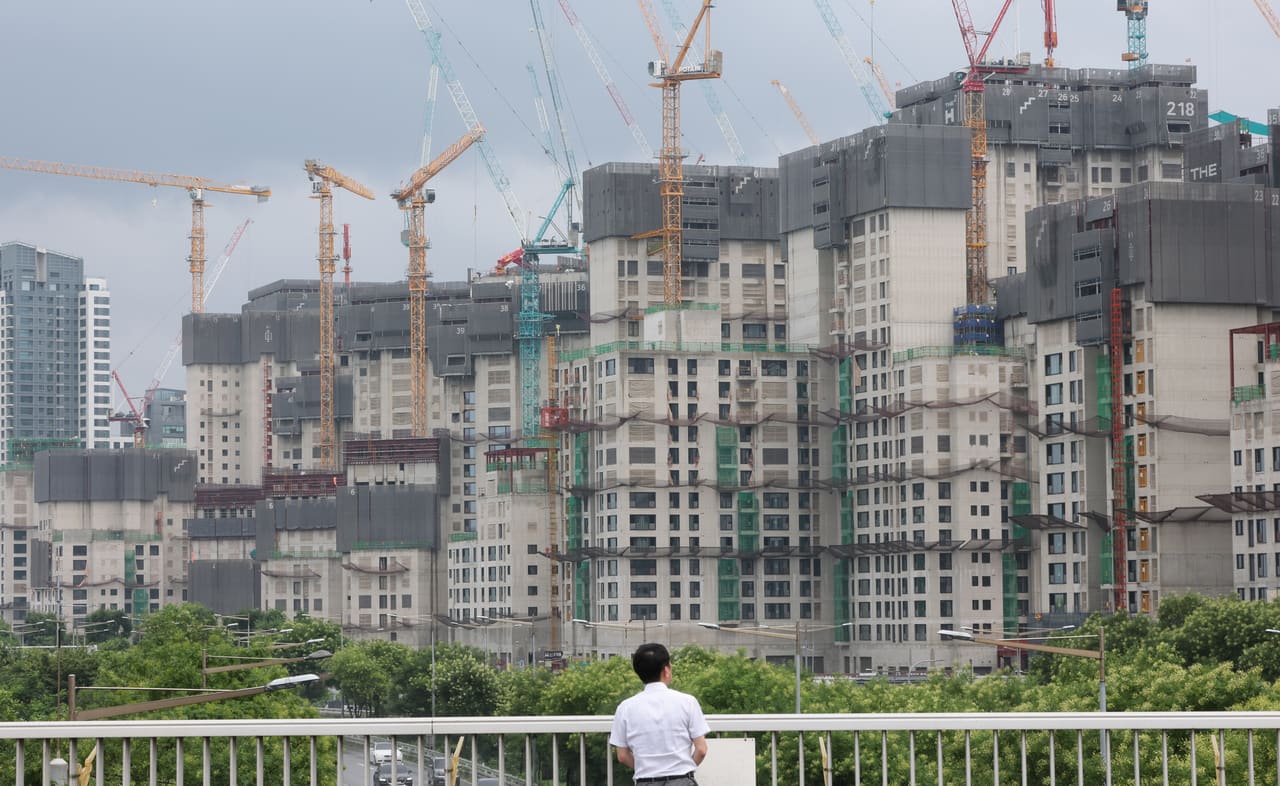
Property-related taxes also contributed to the surge. Transaction volumes for homes have picked up since the spring, reversing a two-year downturn that saw buyers retreat amid high mortgage rates and concerns about overvaluation. The uptick in deals means more stamp duty, capital gains tax, and acquisition tax flowing into government accounts.
Seoul and surrounding Gyeonggi Province saw particularly strong activity, with apartment sales in June running well ahead of last year's depressed levels. Inventory that had been sitting on the market for months began moving as buyers concluded that prices had stabilized. The shift has been gradual rather than explosive, but it marks a clear change from the stagnation that characterized much of 2024 and early 2025.
Broader Fiscal Picture
The June figures offer a snapshot of improving revenue trends, though the government remains cautious about declaring a sustained turnaround. Tax collections in the first half of the year have been uneven, with some months showing strong gains and others falling short of projections. Corporate tax receipts, in particular, have lagged as exporters grapple with uneven demand from China and slower growth in Europe.
Still, the income tax and property tax gains provide some cushion. South Korea's fiscal position has been under scrutiny as policymakers balance spending commitments, including expanded social programs and defense outlays, against the need to keep debt under control. Any sustained improvement in revenue eases pressure on both fronts.
What Comes Next
The question now is whether June's performance signals a durable shift or a temporary bump. Much depends on the trajectory of the property market, which remains sensitive to interest rate moves and sentiment. The Bank of Korea has held rates steady in recent months, but any future adjustments could either support or undermine the housing recovery.
Income tax collections will likewise hinge on employment and wage trends. If companies continue hiring and raising pay, the government can expect steady receipts. A slowdown in either area would crimp revenue growth quickly.
For now, the June data gives fiscal planners reason for cautious optimism. The 5.5 trillion won gain is material, and the breadth of the increase, spanning both income and property categories, suggests underlying economic resilience rather than a one-off event.
RELATED STORIES
South Korea's Export Surge Powers Economic Upturn Through Third Quarter
Jun-ho Seo · 4 min
South Korea Targets $40,000 Per Capita Income as GDP Growth Accelerates
Jun-ho Seo · 4 min
South Korea Breaks Full-Year Export Record in September
Tran Quoc Bao · 3 min

SK Chemicals Targets Europe's Can-Coating Shift After BPA Ban
Cheng Wei-Lun · 2 min
Spot something wrong? Email editor@briefasia.com. We log every correction publicly.