Finance · Markets
South Korea's Pension Giant Faces Questions Over Market Timing
The National Pension Service's delayed rebalancing during the Kospi rally has drawn scrutiny as the index reversed sharply from record highs
KEY TAKEAWAYS
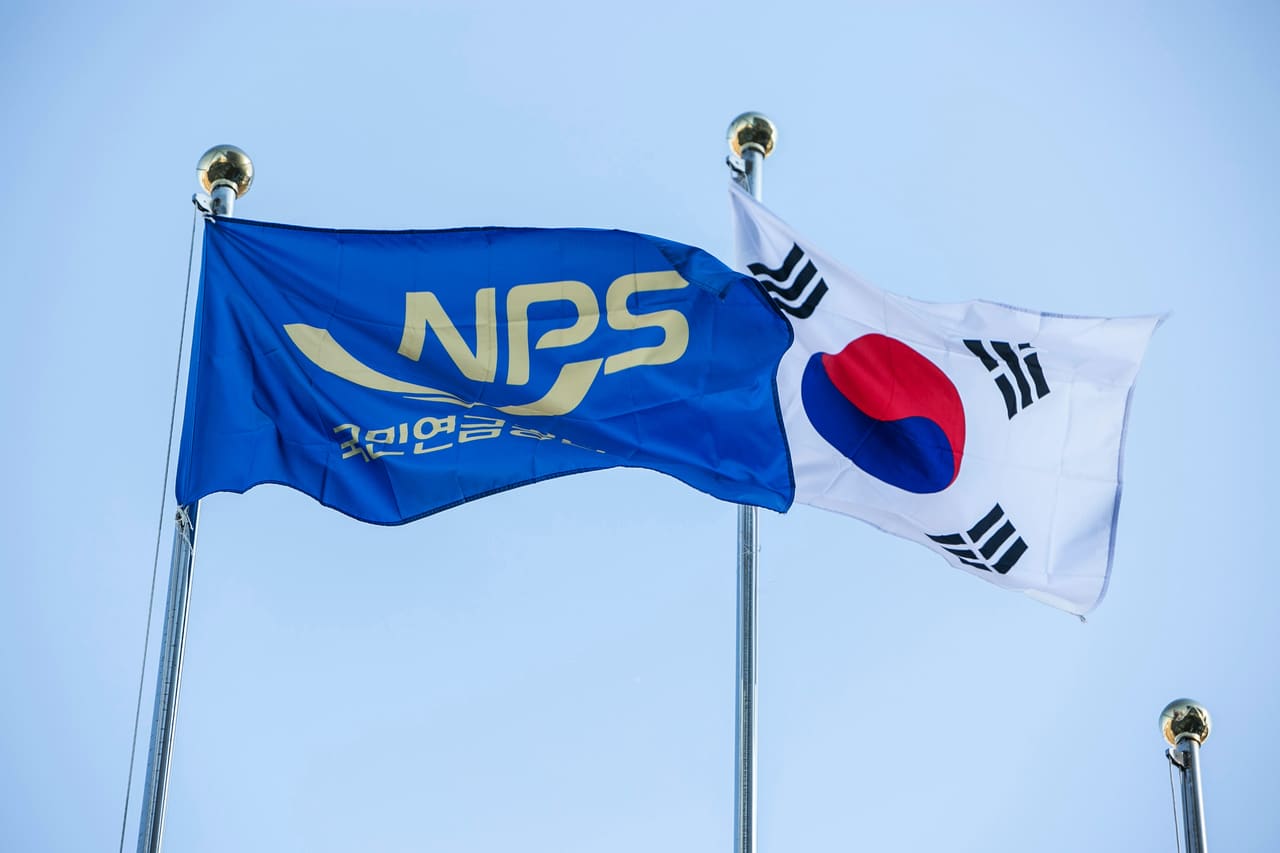
- ·The National Pension Service achieved a 26.18 percent return through May, surpassing its previous full-year record, as assets reached 1,848.7 trillion won.
- ·The fund's decision to delay aggressive rebalancing during the Kospi rally above 9,000 is now under scrutiny for potentially amplifying the market's subsequent downturn.
- ·Observers are awaiting the next quarterly disclosure to see whether the NPS has adjusted its equity exposure in response to recent volatility.
Record Returns Meet Volatile Reversals
The National Pension Service delivered a 26.18 percent return through May, according to the fund, eclipsing its previous full-year record of 18.82 percent in only five months. Assets under management climbed by more than 340 trillion won from year-end to reach a record 1,848.7 trillion won as South Korea's benchmark Kospi index surged past the 9,000 threshold.
Yet the fund's approach to portfolio management during that rally has become a point of contention. The NPS, the world's third-largest pension fund, opted against aggressive rebalancing while equity valuations climbed, a decision now drawing questions as the Kospi has since reversed course violently.
The Rebalancing Dilemma
Rebalancing is a standard risk-management practice in which institutional investors sell outperforming assets and buy underperformers to maintain target allocations. By doing so, funds lock in gains and prevent excessive concentration in any single asset class. The NPS typically maintains a strategic asset allocation that balances domestic equities, foreign stocks, bonds, and alternative investments.
During the first half of the year, however, the fund appears to have delayed or moderated its rebalancing activity. That allowed its equity exposure to drift higher as prices rose, amplifying both the upside during the rally and the downside when sentiment shifted. Critics argue that more timely rebalancing could have cushioned the blow when the market turned.
Why the Delay Matters
The scale of the NPS makes its trading decisions consequential for the broader market. With nearly 1,850 trillion won in assets, even incremental shifts in allocation can move prices, particularly in a relatively concentrated index like the Kospi. When the fund sells equities to rebalance, it adds supply at elevated prices, which can temper momentum. Conversely, holding back on sales during a rally removes a natural brake on price appreciation.
That dynamic works in reverse during a downturn. If the fund enters a correction with an overweight equity position, it faces larger mark-to-market losses and may need to execute sales into falling prices to restore balance, potentially accelerating the decline.
The timing of rebalancing is especially sensitive in South Korea, where retail and institutional flows can reinforce trends quickly. The Kospi's structure, with heavy representation from semiconductor and manufacturing names, means that sector-specific shocks can propagate rapidly through the index.
Regulatory and Internal Pressures
The NPS operates under a dual mandate: deliver sustainable returns to support future pension liabilities while managing risk prudently. That balance has become harder to strike as the fund has grown. Larger size means greater market impact, and the pressure to maximize returns in a low-yield environment can create tension with disciplined risk controls.
South Korean regulators and policymakers have also pushed the fund to support domestic markets, particularly during periods of stress. That creates an additional layer of complexity when deciding whether to sell equities, as large-scale selling by the NPS can be interpreted as a negative signal and trigger further outflows.
The fund's governance structure, which includes oversight by the Ministry of Health and Welfare and a board of trustees, adds another dimension. Decision-making can be slower when multiple stakeholders are involved, and the desire to avoid appearing reactive may lead to hesitation during volatile periods.
What Comes Next
The NPS has not publicly detailed its rebalancing schedule or thresholds, and the fund typically discloses asset allocation on a quarterly basis. Observers will be watching the next release closely to see whether the fund has adjusted its equity exposure in response to the recent volatility.
For now, the episode underscores a broader challenge facing mega-funds in Asia. As sovereign wealth funds and national pension schemes accumulate assets, their influence on domestic markets grows, and their operational decisions carry systemic implications. Striking the right balance between return generation, risk management, and market stability will remain a central question for the NPS and its peers across the region.
RELATED STORIES
Seoul Market Climbs on Tech Rally After US Jobs Data
Cheng Wei-Lun · 3 min

KT&G Posts Fourth Consecutive Quarter of Double-Digit Profit Growth
Cheng Wei-Lun · 3 min
South Korean Retail Investors Pivot to US Leveraged ETFs After Domestic Crackdown
Cheng Wei-Lun · 3 min
Seoul Stock Market Drops 4.6% as AI Profit Concerns Hit Tech Sector
Cheng Wei-Lun · 3 min
Spot something wrong? Email editor@briefasia.com. We log every correction publicly.