Asia · Business
South Korea Industrial Output Climbs 2.3% in June on Auto and Chip Strength
Manufacturing rebound marks the strongest monthly gain in six years, driven by surging production in semiconductors and automobiles as facility investment accelerates
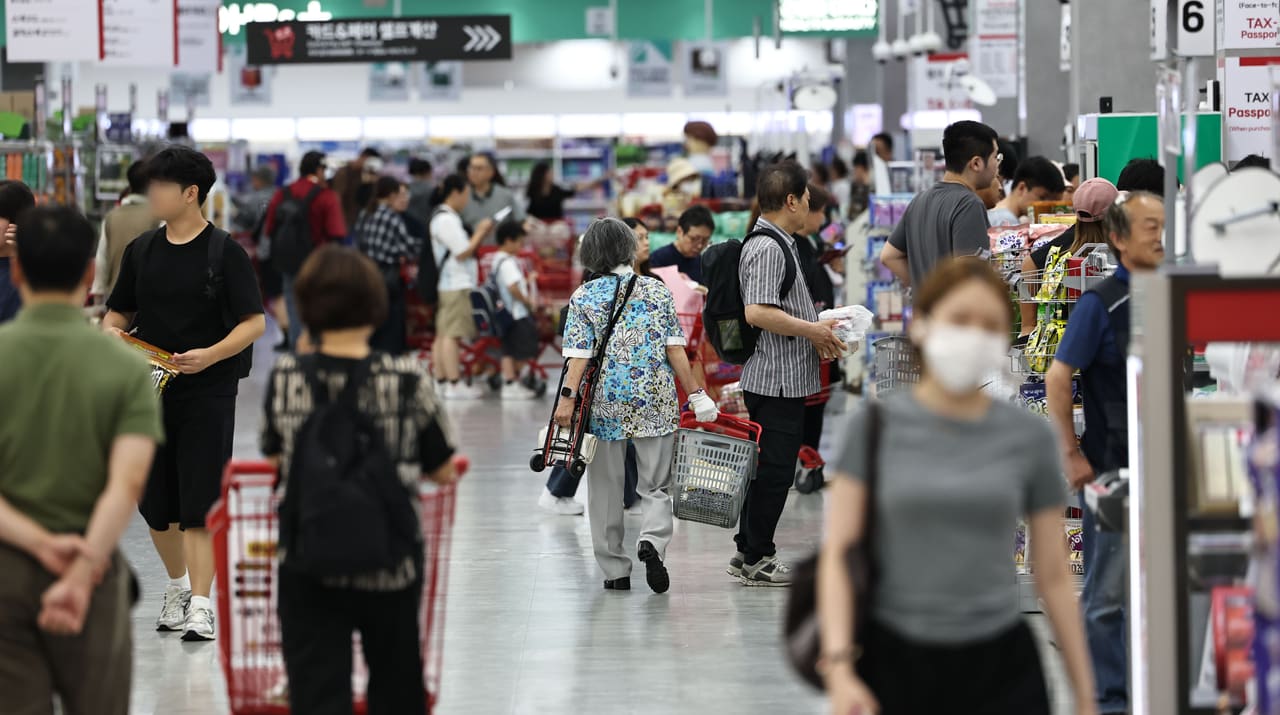
KEY TAKEAWAYS
- ·South Korea's industrial production rose 2.3 percent in June, the strongest monthly increase since June 2020, ending two months of contraction.
- ·Automobile and semiconductor sectors led the rebound, with retail sales and facility investment also posting gains for the first time since March.
- ·Sustained momentum depends on export demand from the United States and China, household spending trends, and continued capital expenditure by manufacturers.
Manufacturing Surge Ends Two-Month Slide
South Korea's industrial production jumped 2.3 percent in June compared to the previous month, according to data released Friday by the Ministry of Data and Statistics. The expansion represents the fastest pace of monthly growth since June 2020, when output climbed 2.9 percent amid the early stages of pandemic recovery.
The June figures reversed two consecutive months of contraction and signal renewed momentum in Asia's fourth-largest economy. Both the automobile and semiconductor sectors posted significant gains, reversing the weakness that had weighed on manufacturing through April and May.
Autos and Chips Lead the Rally
Vehicle production drove much of the acceleration, reflecting stronger global demand and inventory restocking by major exporters. South Korea remains a critical node in the global automotive supply chain, with Hyundai Motor Group and Kia maintaining substantial production capacity across the country's industrial belt.
Semiconductor output also contributed meaningfully to the June upturn. The chip sector had faced headwinds earlier in the year from cyclical inventory adjustments, particularly in memory products. June's production increase suggests that destocking pressures are easing and that fabrication plants are responding to renewed orders from data center operators and consumer electronics manufacturers.
The simultaneous strength in both industries is noteworthy. Automobiles and semiconductors represent two of South Korea's largest export categories, and their performance often serves as a leading indicator for the broader economy.
Retail and Investment Turn Positive
Beyond factory output, the June data showed improvement in domestic demand metrics. Retail sales posted a monthly gain, ending a period of cautious consumer spending that had persisted through the spring. The uptick points to stabilizing household sentiment, though analysts caution that interest rate levels and household debt remain constraining factors.
Facility investment also advanced in June. Capital spending by manufacturers had been subdued in recent quarters as firms delayed expansion plans amid uncertain global demand and elevated borrowing costs. The return to positive investment growth suggests that companies are regaining confidence in the near-term outlook, particularly in export-oriented sectors.
This marks the first time since March that industrial production, retail sales, and facility investment all posted gains in the same month. The alignment of these three indicators offers a more robust signal than factory output alone, as it reflects both supply-side capacity and demand-side momentum.
Regional Context and Export Dependency
South Korea's manufacturing cycle is tightly linked to broader regional trade flows. The country imports intermediate goods and components from across Southeast Asia and China, processes them in high-value sectors such as chips and vehicles, and exports finished products to North America, Europe, and intra-Asian markets.
June's production rebound comes as other major Asian exporters report mixed signals. Taiwan's semiconductor output remains elevated, supported by advanced packaging demand, while Japan's industrial production has been choppy due to automotive supply constraints. South Korea's ability to post strong gains in both autos and chips highlights the complementary nature of its industrial base.
The semiconductor upturn also aligns with a broader regional pattern. Memory chip prices have stabilized after a prolonged downturn, and leading foundries are reporting improved capacity utilization. South Korea's chipmakers, including Samsung Electronics and SK hynix, are among the largest global suppliers of DRAM and NAND flash, making their production trends a bellwether for the global memory market.
What Comes Next
Sustaining the June momentum will depend on several factors. Export demand remains the primary driver of South Korea's industrial cycle, and any slowdown in key markets could dampen production growth. The United States and China together account for a significant share of South Korean exports, and economic conditions in both countries will shape the trajectory for the second half of 2026.
Domestic consumption is another variable. While retail sales improved in June, household spending growth has been modest compared to pre-pandemic trends. High debt service burdens and elevated living costs continue to weigh on discretionary purchases, limiting the upside for consumer-facing sectors.
Facility investment bears watching as well. The June gain is encouraging, but a single month does not constitute a trend. If manufacturers follow through with sustained capital spending, it would signal confidence in a durable recovery and support employment and income growth over the medium term.
For now, the June data provides a clear positive signal. The sharpest monthly production gain in six years, coupled with improvements in retail and investment, suggests that South Korea's economy is regaining traction after a sluggish spring.
RELATED STORIES
South Korea Breaks Full-Year Export Record in September
Tran Quoc Bao · 3 min
Samsung and SK Hynix Turn Down KEPCO's Multibillion-Dollar Prepayment Demand
Cheng Wei-Lun · 4 min
South Korea's Export Surge Powers Economic Upturn Through Third Quarter
Jun-ho Seo · 4 min
SK Hynix Union Rejects Wage Deal in Razor-Thin Vote
Cheng Wei-Lun · 3 min
Spot something wrong? Email editor@briefasia.com. We log every correction publicly.