Finance · Markets
South Korea Watches Fed Policy as Inflation and Mideast Risk Cloud Rate Path
Seoul's finance ministry convenes inter-agency meeting after the Federal Reserve holds rates steady for the fifth straight decision, widening the policy gap with the Bank of Korea.
KEY TAKEAWAYS
- ·The Federal Reserve held its benchmark rate at 3.5-3.75 percent for the fifth consecutive meeting, citing persistent inflation and Middle East geopolitical tensions.
- ·South Korea's First Vice Finance Minister convened officials from the Bank of Korea and financial regulators to assess the widening policy gap and potential capital-flow risks.
- ·Seoul is monitoring won volatility, energy import costs, and portfolio flows as prolonged US rate uncertainty complicates domestic inflation management and export competitiveness.
Seoul Gathers Financial Authorities
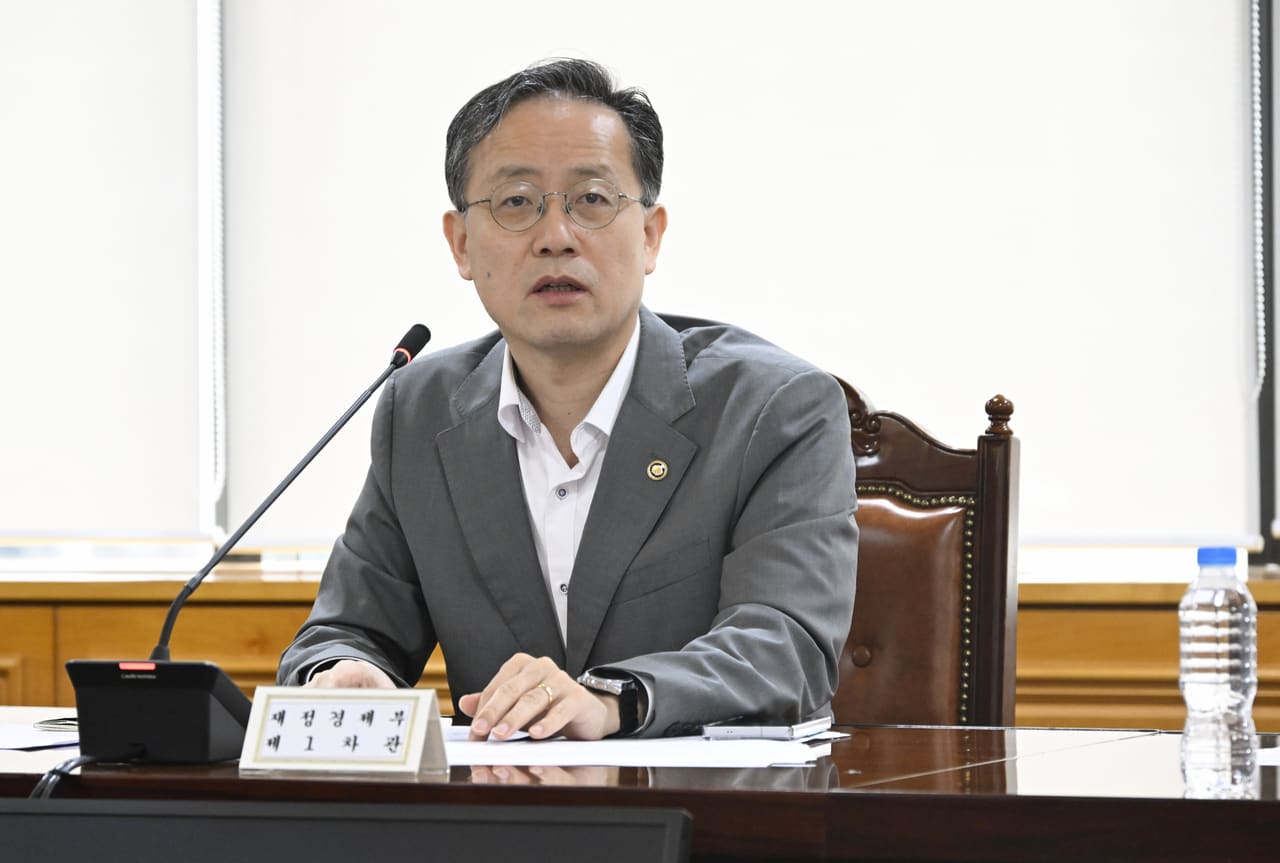
South Korea's First Vice Finance Minister Lee Hyoung-il convened senior officials from the nation's financial authorities, including the Bank of Korea, on Thursday to assess the implications of the Federal Reserve's latest policy hold. The meeting came hours after the US central bank left its benchmark rate in the 3.5-3.75 percent range, marking the fifth consecutive pause in what has become an extended wait-and-see stance.
The ministry's statement pointed to two factors complicating the Fed's forward guidance: inflation that has proven stickier than policymakers hoped, and heightened geopolitical risk emanating from the Middle East. Neither variable shows signs of resolving quickly, leaving the trajectory of US monetary policy unclear through the second half of the year.
Widening Policy Divergence
The unchanged Fed rate extends a policy gap that has Seoul's attention. The Bank of Korea has been on its own path, and the spread between US and Korean rates influences capital flows, currency volatility, and borrowing costs for Korean corporates with dollar debt. A prolonged divergence can pressure the won, raise import costs, and complicate domestic inflation management.
Vice Minister Lee's decision to call the inter-agency session signals that policymakers are preparing contingency measures should the gap widen further or should market volatility spike. The finance ministry, the BOK, the Financial Services Commission, and the Financial Supervisory Service were all represented at the table, underscoring the cross-cutting nature of the risk.
Inflation Persistence and Geopolitical Overhang
US inflation data over recent months have shown uneven progress. Core measures have decelerated but remain above the Fed's two percent target, and services inflation has been particularly stubborn. At the same time, energy markets have been jittery amid escalating tensions in the Middle East, raising the specter of supply shocks that could reignite headline inflation just as the Fed contemplates easing.
For Seoul, the combination is unwelcome. South Korea is a major energy importer, and any sustained spike in oil prices feeds directly into producer costs and consumer price indices. If the Fed delays rate cuts or, in an extreme scenario, tightens again, Korea faces a double squeeze: higher import bills and tighter global financial conditions.
What Seoul Is Watching
Korean authorities are monitoring several indicators closely. The won's exchange rate against the dollar remains sensitive to rate differentials and risk sentiment. Export-oriented manufacturers, particularly in semiconductors and autos, are watching both demand signals from the US and the cost of hedging dollar receivables.
Portfolio flows are another focus. Foreign holdings of Korean equities and bonds have been volatile this year, and any hint of a hawkish Fed pivot could trigger outflows that test the central bank's comfort zone. The BOK has tools at its disposal, including foreign-exchange intervention and adjustments to its own policy rate, but officials prefer not to deploy them in haste.
The finance ministry's statement stopped short of announcing new measures, framing Thursday's meeting as a coordination and monitoring exercise. That suggests Seoul is not yet in crisis mode but is tightening its watch as uncertainty mounts.
Regional Implications
South Korea is not alone in recalibrating. Central banks across Asia have been navigating the Fed's extended pause, each with its own domestic inflation dynamics and currency sensitivities. The region's export engines depend heavily on stable global financial conditions, and prolonged US rate uncertainty injects friction into trade finance, supply-chain planning, and investment decisions.
For now, Seoul's message is one of vigilance rather than alarm. But the convening of senior officials from multiple agencies underscores that the margin for complacency has narrowed, and that the path ahead for both the Fed and the Bank of Korea remains anything but clear.
RELATED STORIES
Seoul Stocks Drop on Mideast Tensions and Oil Price Surge
Tran Quoc Bao · 3 min
Samsung Electronics Drops 8% as Market Questions Buyback Strategy
Cheng Wei-Lun · 2 min
Samsung Biologics Plans $2.2 Billion Rights Offering to Fund Peptide Acquisition
Jun-ho Seo · 3 min
Japan Deploys $96.5 Billion in Currency Intervention to Halt Yen's Slide
Aiko Nakamura · 3 min
Spot something wrong? Email editor@briefasia.com. We log every correction publicly.