Finance · Markets
South Korea Eyes Curbs on Brokerage Forecasts and Margin Trading After July Market Turbulence
Industry officials call for tighter oversight as the Kospi's violent swings expose risks of leveraged retail positions and optimistic analyst projections
KEY TAKEAWAYS
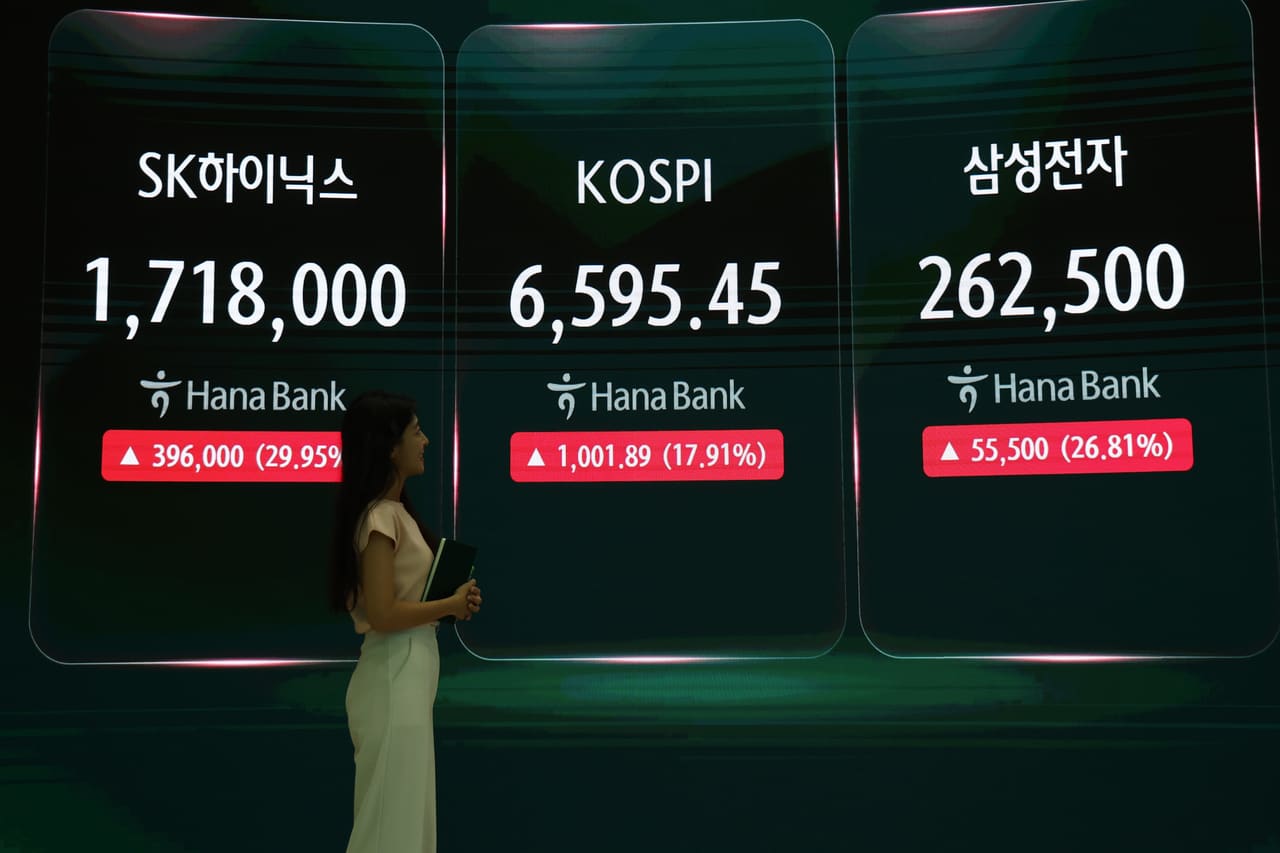
- ·The Kospi fell 22.19 percent in July after a 101.14 percent gain in the first half, with circuit breakers triggered on two consecutive days.
- ·Industry officials blame inflated brokerage forecasts and high margin lending for amplifying retail losses during the sharp reversal.
- ·Regulators are reviewing stricter oversight of analyst research and dynamic margin requirements to reduce leverage risks in future downturns.
Market Whipsaw Exposes Structural Risks
South Korean financial regulators and industry participants are pushing for tighter controls on brokerage research and margin lending after the Kospi's July meltdown exposed how optimistic forecasts and leveraged retail trading can magnify losses during abrupt reversals.
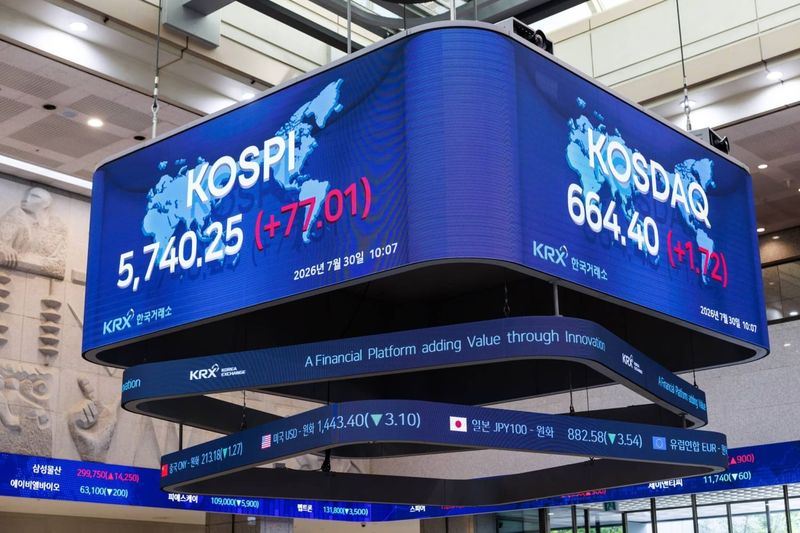
The Korea Exchange recorded a 22.19 percent drop in the Kospi during July, a sharp reversal from the 101.14 percent rally the benchmark posted in the first six months of the year. Circuit breakers halted trading on two consecutive sessions as selling pressure overwhelmed the market, a rare occurrence that underscored the velocity of the decline.
Industry officials argue that the scale of retail losses was amplified by two factors: brokerage houses that published consistently bullish forecasts through the first half, encouraging clients to add exposure at elevated valuations, and margin-lending facilities that allowed investors to borrow heavily against their portfolios. When sentiment turned, the combination of inflated expectations and high leverage accelerated the drawdown.
Calls to Tighten Analyst Oversight
Brokerage research in South Korea has come under scrutiny for what critics describe as a structural bias toward optimism. Analysts at securities firms often face pressure to maintain positive ratings on stocks their firms underwrite or have banking relationships with, a dynamic that can skew recommendations away from neutral or cautious stances.
During the first half of the year, target prices and earnings forecasts across major Korean brokerages reflected the rally's momentum, with many houses projecting further gains. Retail investors, who account for a significant share of daily trading volume on the Kospi, relied on these projections when building positions. When the market reversed in July, many were caught holding stocks well above current prices, with limited hedging in place.
Financial authorities are now examining whether tighter disclosure requirements or independent oversight of research departments might reduce conflicts of interest. Proposals under discussion include mandatory separation of research and investment banking divisions, periodic audits of forecast accuracy, and penalties for firms that consistently publish outlier projections without adequate justification.
Margin Lending Under the Microscope
Margin trading has grown steadily in South Korea over the past decade, with brokerages competing to offer higher loan-to-value ratios and lower interest rates to attract active retail clients. The structure allows investors to borrow against their portfolios to amplify returns, but it also magnifies losses when markets move against them.
During July's decline, margin calls forced many investors to liquidate positions at depressed prices, contributing to the downward spiral. The two circuit-breaker events were partly attributed to cascading margin liquidations, as automated sell orders triggered by covenant breaches hit the market in concentrated waves.
Industry officials are advocating for stricter loan-to-value caps, particularly during periods of elevated volatility, and more granular stress-testing of margin portfolios. Some have proposed dynamic margin requirements that adjust based on market conditions, a mechanism already in use in several developed markets.
Regional Context and Policy Response
The July turbulence in Seoul comes as other Asian markets grapple with similar challenges around retail participation and leverage. Taiwan and India have both tightened margin rules in recent years following episodes of speculative excess, and regulators across the region are increasingly focused on protecting household investors from outsized losses.
South Korea's Financial Services Commission has not yet announced formal policy changes, but officials have signaled that a review of margin-lending standards and brokerage research practices is underway. Any new rules would likely take effect in the coming quarters, with a transition period to allow firms to adjust their compliance frameworks.
The debate also touches on broader questions about market structure. Retail investors in South Korea are highly active and constitute a larger share of trading volume than in many other developed markets. While this participation supports liquidity, it also introduces volatility when sentiment shifts abruptly, particularly in the absence of institutional stabilizers.
What Comes Next
Market participants expect the regulatory conversation to intensify as authorities assess the damage from July's downturn. Brokerage firms are likely to face closer scrutiny of their research methodologies and lending practices, while retail investors are being urged to adopt more conservative position-sizing and risk-management techniques.
The outcome will shape how South Korea's equity market evolves in the years ahead, balancing the benefits of broad retail participation against the systemic risks that come with high leverage and concentrated sentiment. For now, the July episode serves as a reminder that rapid gains can reverse just as quickly, and that the tools used to amplify returns can also deepen losses when the cycle turns.
RELATED STORIES
Seoul Stocks Drop on Mideast Tensions and Oil Price Surge
Tran Quoc Bao · 3 min
Samsung Biologics Plans $2.2 Billion Rights Offering to Fund Peptide Acquisition
Jun-ho Seo · 3 min
Seoul Markets Tumble as Tech Selloff Ripples Across Asia
Cheng Wei-Lun · 3 min
South Korea Extends Trading Hours to Attract Foreign Capital
Anand Sundaram · 2 min
Spot something wrong? Email editor@briefasia.com. We log every correction publicly.