Sustainability · Energy
South Korea Extends Offshore Wind Contracts to 25 Years
Seoul pushes longer fixed-price terms to lower developer bids and strengthen project returns in competitive regional market
KEY TAKEAWAYS
- ·South Korea will extend fixed-price contracts for offshore wind projects from 20 to 25 years to reduce bid prices and improve developer returns.
- ·The additional five years allow developers more time to recover substantial upfront costs tied to offshore turbine construction and marine infrastructure.
- ·The policy shift aligns South Korea with Taiwan and Japan, where longer offtake agreements have been tested to stabilize investor confidence and attract lower bids.
Longer Revenue Window for Developers
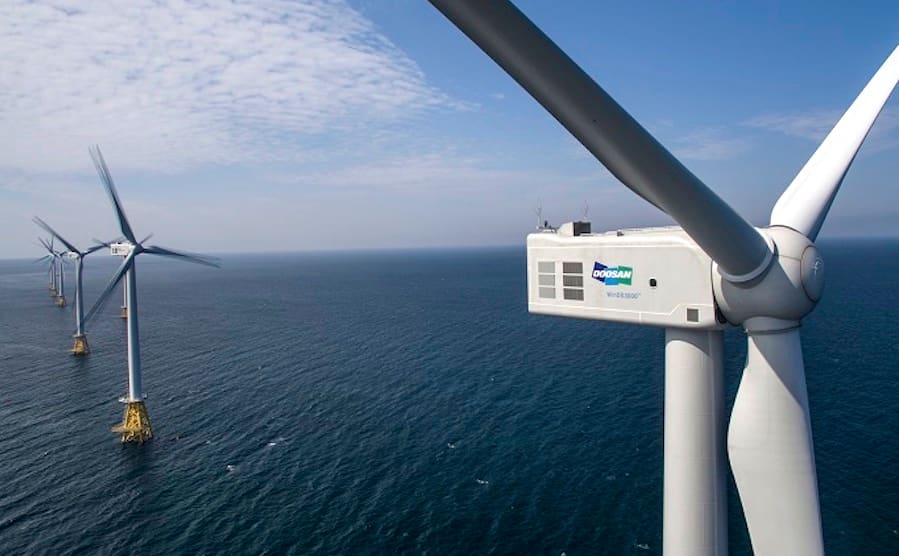
South Korea is set to extend fixed-price contracts for offshore wind projects from 20 to 25 years, a policy shift designed to lower bid prices and strengthen the financial viability of large-scale renewable installations. The additional five years will allow developers more runway to recoup the heavy capital expenditure tied to offshore turbine construction, grid connections, and marine engineering.
The move comes as Seoul intensifies its commitment to offshore wind capacity, targeting multi-gigawatt installations along its western and southern coasts. Industry observers note that extending contract duration is a direct response to the high levelized cost of energy in offshore wind compared with onshore renewables and conventional generation. By spreading fixed revenue over a longer period, the government hopes to attract lower bids in upcoming auctions and reduce the subsidy burden on ratepayers.
Regional Context and Competition
South Korea's policy adjustment places it in closer alignment with contract structures in Taiwan and Japan, both of which have tested longer offtake agreements to stabilize investor returns. Taiwan's offshore wind feed-in tariff regime has historically offered 20-year terms, while Japan has explored extended power purchase agreements to de-risk projects in typhoon-prone waters. The 25-year horizon also mirrors trends in European markets, where developers have lobbied for longer revenue certainty to offset rising supply-chain costs and interest rates.
The extension is likely to influence bidding behavior in South Korea's next offshore wind tender, expected later this year. Developers including domestic utilities and international consortia have signaled that longer contracts reduce refinancing risk and make it easier to secure non-recourse project finance. With turbine prices stabilizing after a volatile post-pandemic period, the combination of cost predictability and extended revenue could drive more aggressive competition for seabed leases.
Impact on Project Economics
Offshore wind projects typically require upfront investments exceeding one billion dollars for gigawatt-scale installations. Substructure fabrication, subsea cabling, and port infrastructure account for a significant share of capital outlays, and construction timelines often stretch beyond three years. A 25-year contract allows developers to amortize these costs over a longer period, reducing the annual debt service burden and improving internal rates of return.
Financial modelers expect the policy change to shave several percentage points off bid prices in upcoming tenders. Lower bids translate into reduced feed-in tariffs or contract-for-difference strike prices, easing the fiscal impact on South Korea's renewable energy levy. The government has not disclosed the precise mechanism for the extended contracts, but industry sources anticipate that the Korea Energy Agency will issue updated guidelines before the next auction cycle opens.
Supply Chain and Timing
South Korea's domestic shipyards and steel fabricators are positioning to capture a larger share of offshore wind supply chains, leveraging expertise from oil and gas platform construction. The extended contract duration may accelerate investment decisions by domestic component manufacturers, who have been cautious about committing capacity without clear long-term demand signals. Several conglomerates have announced plans to expand turbine nacelle assembly and foundation production, betting on sustained government support for offshore wind buildout.
The timing of the contract extension coincides with renewed regional interest in green hydrogen and ammonia production, both of which require large volumes of low-cost renewable electricity. Offshore wind farms with 25-year revenue certainty could underpin long-term offtake agreements with hydrogen developers, creating integrated value chains that stretch from seabed to export terminal. South Korea's southern ports are already exploring hydrogen export infrastructure, and longer power contracts may prove critical to anchoring those investments.
Implications for Grid Integration
Extending contract terms does not eliminate the technical challenges of integrating variable offshore wind generation into South Korea's grid. The country's transmission network remains heavily reliant on coal and nuclear baseload, and grid operators have flagged the need for additional storage, demand response, and interconnection capacity to accommodate rising renewable penetration. The 25-year contracts will need to be paired with grid modernization investments to ensure that new offshore capacity can deliver reliable power without curtailment.
Regulatory clarity around contract indexation, curtailment compensation, and force majeure provisions will also be important. Developers have pressed for stronger protections against grid curtailment and delays in transmission infrastructure, both of which can erode project returns even under long-term contracts. The government's willingness to address these concerns will shape the attractiveness of South Korea's offshore wind market relative to competing jurisdictions in Northeast Asia.
The contract extension represents a pragmatic step in South Korea's energy transition, balancing the need for affordable renewable power with the financial realities of offshore wind development. As the first tenders under the new framework approach, the industry will be watching closely to see whether longer terms translate into the cost reductions and investment momentum that policymakers are counting on.
RELATED STORIES
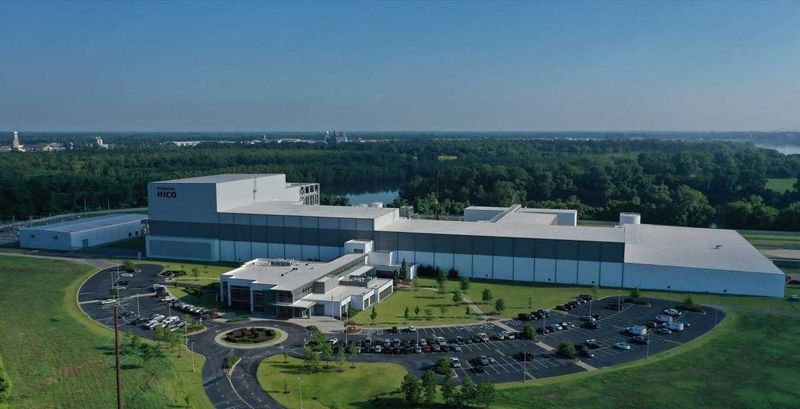
Hyosung Heavy Gains Ground in US Power Grid Market With Early Manufacturing Push
Jun-ho Seo · 4 min

SK Chemicals Targets Europe's Can-Coating Shift After BPA Ban
Cheng Wei-Lun · 2 min
Samsung and SK Hynix Turn Down KEPCO's Multibillion-Dollar Prepayment Demand
Cheng Wei-Lun · 4 min
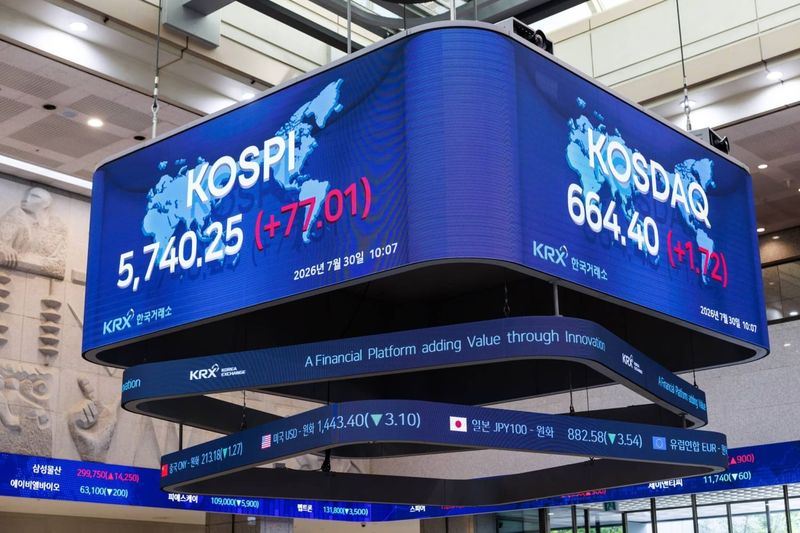
South Korea Extends Trading Hours to Attract Foreign Capital
Anand Sundaram · 2 min
Spot something wrong? Email editor@briefasia.com. We log every correction publicly.