Technology · AI
Hyosung Heavy Gains Ground in US Power Grid Market With Early Manufacturing Push
South Korean manufacturer leverages domestic production capacity to capture share of ultrahigh-voltage transmission boom driven by AI infrastructure and grid upgrades.
KEY TAKEAWAYS
- ·Hyosung Heavy Industries has established US production for 765 kV transformers and circuit breakers up to 800 kV, positioning itself to supply ultrahigh-voltage transmission networks.
- ·The company benefits from early manufacturing investments as electricity demand surges from AI data centres and utilities accelerate grid modernisation projects.
- ·Hyosung Heavy's local production meets Buy America requirements and reduces lead times, giving it a competitive edge as other manufacturers expand US operations.
Building Local Capacity Ahead of the Surge
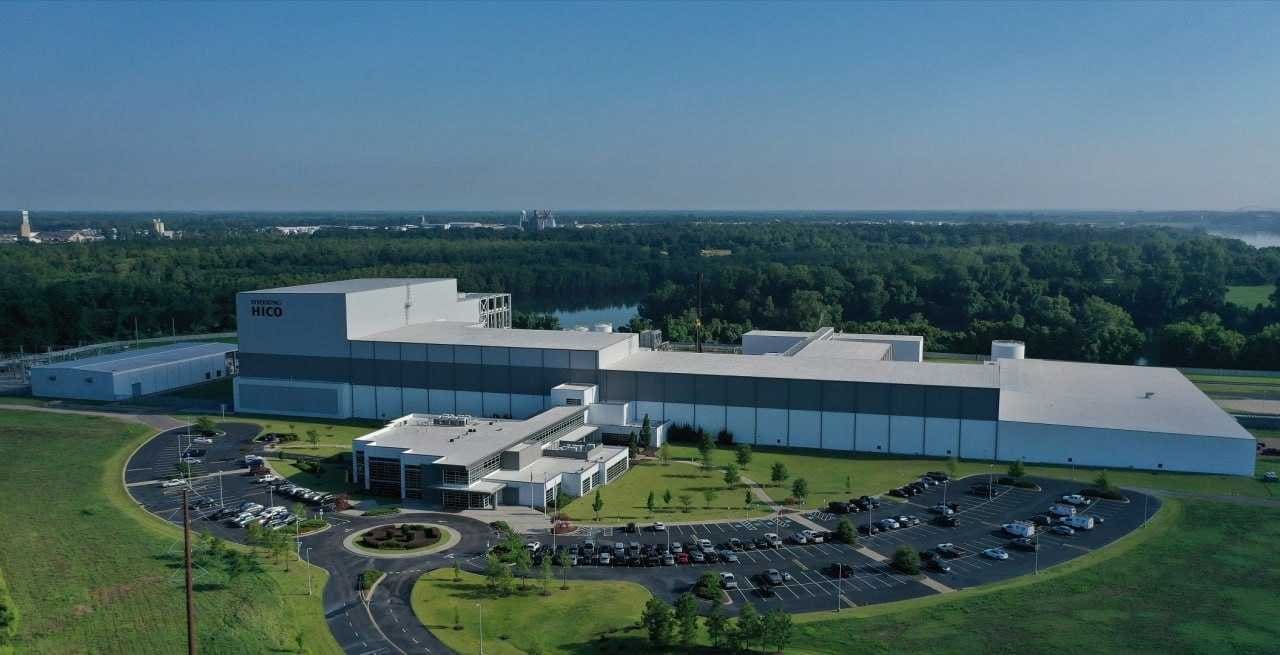
Hyosung Heavy Industries has positioned itself to capitalise on the United States' electricity infrastructure buildout, years after establishing domestic production for critical power transmission equipment. The South Korean manufacturer now operates US facilities capable of producing 765-kilovolt transformers and circuit breakers rated up to 800 kV, components essential for the ultrahigh-voltage networks that utilities are racing to expand.
The timing has proved advantageous. Electricity demand is climbing sharply, propelled by the proliferation of artificial intelligence data centres that consume orders of magnitude more power than conventional facilities. At the same time, ageing transmission infrastructure across the US requires replacement and upgrading to handle bidirectional flows from renewable generation. Hyosung Heavy's local manufacturing footprint allows it to compete for contracts that increasingly favour suppliers with North American production.
Chairman Cho Hyun-joon's decision to invest in US manufacturing predated the current infrastructure wave. That early commitment has given Hyosung Heavy a head start over competitors still establishing or expanding their American operations. The company can now supply both transformers and switchgear from domestic plants, reducing lead times and meeting Buy America requirements that govern federally funded transmission projects.
Securing a Foothold in Ultrahigh-Voltage Transmission
Hyosung Heavy's product range covers the voltage classes utilities need for long-distance bulk power transmission. The 765 kV transformer is a workhorse of the highest-voltage AC networks in North America, while circuit breakers rated at 800 kV serve as protection devices for these systems. Both categories require specialised engineering and manufacturing precision, creating barriers to entry that limit the number of qualified suppliers.
The company's US market share in these segments has grown as utilities issue tenders for grid expansion. Transmission operators face a backlog of interconnection requests from solar and wind farms, as well as demand from hyperscale data centre developers seeking gigawatt-scale connections. Meeting these needs requires not only new substations but also upgrades to existing facilities, all of which demand heavy electrical equipment that can handle extreme voltages and currents.
Hyosung Heavy competes in a market historically dominated by a handful of global players. Its strategy centres on combining competitive pricing with local production, a combination that resonates with utilities under pressure to accelerate project timelines. The company's ability to manufacture in the US also insulates it from tariff risks and supply chain disruptions that have affected importers of heavy electrical equipment.
Asia's Industrial Playbook in North America
Hyosung Heavy's expansion reflects a broader pattern of Asian industrial firms planting manufacturing roots in the US to serve infrastructure and energy markets. South Korean conglomerates, Japanese engineering houses, and Taiwanese electronics manufacturers have all pursued similar strategies, building factories and assembly lines to secure access to a market undergoing a multidecade infrastructure refresh.
For Hyosung Heavy, the US represents a growth vector distinct from its established markets in Asia and the Middle East. North American utilities operate under different regulatory frameworks and technical standards, requiring manufacturers to obtain certifications and adapt designs to meet specifications set by bodies such as the Institute of Electrical and Electronics Engineers and the American National Standards Institute. Hyosung Heavy's investment in local production included the engineering resources needed to navigate these requirements.
The company's expansion also aligns with US policy initiatives aimed at onshoring critical infrastructure supply chains. Federal incentives for domestic manufacturing, combined with state-level programmes supporting grid modernisation, have created a favourable environment for suppliers willing to commit to American production. Hyosung Heavy's existing facilities position it to benefit from these programmes as utilities allocate capital to transmission projects over the coming decade.
What Comes Next
Hyosung Heavy's trajectory in the US power equipment market will depend on its ability to scale production in line with demand growth and maintain competitiveness as other manufacturers expand their American operations. The company faces potential headwinds from raw material costs, labour availability, and the long sales cycles typical of utility procurement.
At the same time, the fundamentals driving demand for ultrahigh-voltage equipment remain robust. AI infrastructure continues to absorb capital at an accelerating pace, with data centre operators signing power purchase agreements that stretch grid capacity. Renewable energy interconnection queues continue to lengthen, and federal funding for transmission projects is flowing through programmes authorised under recent infrastructure legislation.
Hyosung Heavy's early bet on US manufacturing has given it a window of opportunity. Whether that translates into sustained market share will hinge on execution, the competitive response from incumbents, and the pace at which utilities can navigate permitting and construction for new transmission corridors. For now, the company is well positioned to capture a portion of the infrastructure spending wave rolling across North America.
RELATED STORIES
LG Pivots to AI-Defined Vehicle Platform as Korea Chases China's Self-Driving Lead
Jun-ho Seo · 3 min
SK Hynix May Fast-Track Gwangju Fab Investment Alongside Yongin Expansion
Jun-ho Seo · 3 min
South Korea Taps Three Telecom Giants to Deliver Free AI Services Nationwide
Cheng Wei-Lun · 3 min
Samsung Display Restarts Asan OLED Campus as Foldable Phones Stage Recovery
Cheng Wei-Lun · 4 min
Spot something wrong? Email editor@briefasia.com. We log every correction publicly.