Finance · Markets
South Korea's Central Bank Holds Firm on Tight Policy as Inflation Persists
The Bank of Korea signals continued monetary restraint following its first rate increase in three and a half years, citing price pressures and export-driven growth.
KEY TAKEAWAYS
- ·The Bank of Korea raised its benchmark rate by 25 basis points to 2.75 percent, the first increase in over three years, citing persistent inflation and currency pressures.
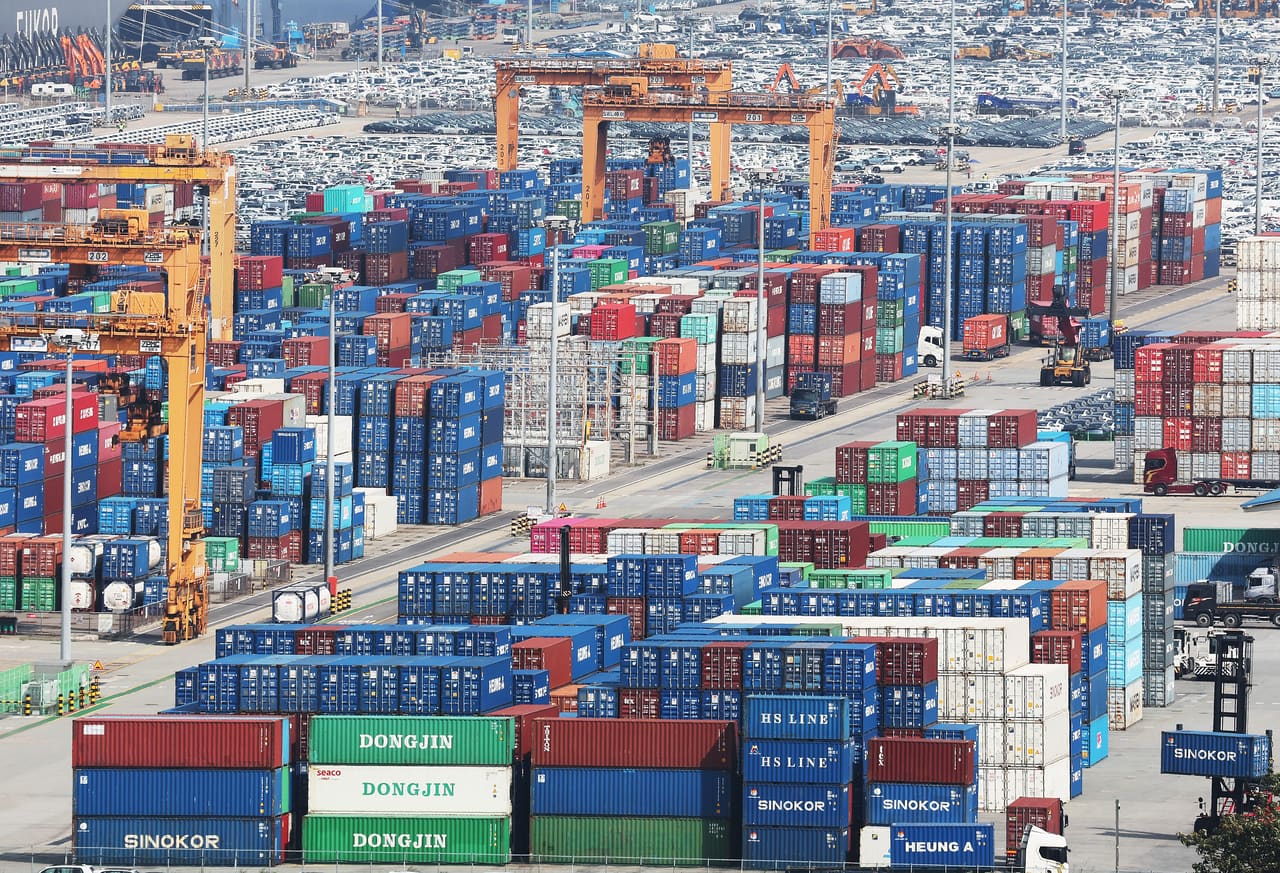
- ·Strong export performance in semiconductors and electronics provides economic resilience that allows policymakers to prioritize price stability without immediate growth concerns.
- ·The central bank signals further tightening may continue depending on inflation data, with currency volatility and imported price pressures complicating the policy outlook.
Policy Stance Remains Restrictive
South Korea's monetary authority reaffirmed its commitment to restrictive policy settings this week, underscoring persistent inflationary pressures even as the economy benefits from strong external demand. The Bank of Korea raised its policy rate by 25 basis points to 2.75 percent earlier this month, marking the first increase since early 2023.
The decision reflects a delicate balancing act: containing price growth that has remained stubbornly elevated while avoiding disruption to an economy that continues to expand on the strength of export performance. Currency volatility in the won has added complexity, amplifying imported inflation risks and constraining the central bank's room to maneuver.
Rate Decision Context
According to the Bank of Korea, the quarter-point adjustment came after an extended pause during which policymakers monitored the interplay between domestic demand, external trade flows, and price dynamics. The 2.75 percent benchmark represents a shift from the accommodative posture that characterized much of the prior year, when authorities prioritized growth support amid global uncertainties.
The move aligns South Korea with a broader regional trend. Several Asian central banks have maintained elevated rates or resumed tightening cycles as inflation proves more durable than initially anticipated. Seoul's decision also considers the divergence in monetary policy trajectories among major economies, which has contributed to capital flow volatility and exchange rate swings across emerging markets.
Inflation and Currency Pressures
Inflation remains the primary concern driving the Bank of Korea's cautious approach. Price increases have been sustained by a combination of domestic factors, including wage growth in key sectors, and external drivers such as commodity costs and supply chain adjustments. The won's fluctuations have compounded the challenge, making imports more expensive and feeding through to consumer prices.
The central bank has noted that inflation expectations, while not spiraling, remain above the target range. This creates a risk that temporary price shocks could become embedded in wage-setting and pricing behavior, necessitating a more aggressive policy response later. By acting preemptively now, officials aim to anchor expectations and prevent a more disruptive adjustment down the line.
Currency weakness has been particularly pronounced during periods of global risk aversion, when capital flows out of emerging markets and into safe-haven assets. The won's decline against the dollar has made imported energy and intermediate goods costlier, directly impacting production costs for manufacturers and consumer prices at retail.
Growth Outlook Supports Tightening
The economic backdrop provides the Bank of Korea with the confidence to tighten policy without derailing expansion. Export performance has been robust, driven by demand for semiconductors, electronics, and capital goods. Shipments to key markets have exceeded expectations, offsetting softer domestic consumption and providing a buffer against external headwinds.
According to the central bank, growth is expected to remain solid in the coming quarters, supported by technology sector strength and infrastructure investment. This resilience gives policymakers latitude to prioritize price stability without immediate concern that higher borrowing costs will tip the economy into contraction.
The manufacturing sector, which accounts for a significant share of output and employment, has adapted to higher input costs and maintained competitiveness through productivity gains and product differentiation. Export orders remain healthy, and capacity utilization rates are elevated, suggesting that demand conditions can absorb tighter financial conditions.
Regional Implications
South Korea's policy direction carries weight across Asia. As one of the region's most trade-integrated economies, its monetary stance influences capital allocation decisions, supply chain investment, and currency dynamics among neighboring countries. The decision to tighten sends a signal that inflation concerns are not confined to advanced economies and that emerging markets must remain vigilant.
Other Asian central banks are watching closely. Some have already moved to raise rates or slow the pace of easing, while others are weighing the trade-offs between supporting growth and containing price pressures. Seoul's experience offers a case study in how export-led economies can navigate tightening cycles when external demand remains firm.
The Bank of Korea's communication strategy has emphasized gradualism and data dependence. Officials have indicated that future rate decisions will hinge on incoming inflation readings, labor market conditions, and global financial stability. This approach mirrors the flexible frameworks adopted by peers in the region, allowing for course corrections as conditions evolve.
Market Reaction and Forward Guidance
Financial markets have largely priced in the prospect of sustained higher rates. Bond yields have adjusted upward, and the won has stabilized somewhat as investors gain clarity on the policy trajectory. Equity markets have shown resilience, with technology and export-oriented sectors continuing to attract inflows on the strength of earnings outlooks.
The central bank has stopped short of committing to a specific rate path, preferring to retain optionality. This cautious guidance reflects uncertainty about the global economic environment, including the pace of disinflation in major economies and the potential for renewed supply disruptions. By maintaining flexibility, the Bank of Korea can respond to shocks without being locked into a predetermined course.
Analysts expect the policy rate to remain at current levels or move modestly higher through the end of the year, contingent on inflation trends. If price pressures ease more quickly than anticipated, the central bank may pause further increases. Conversely, persistent inflation or renewed currency weakness could prompt additional tightening.
What Lies Ahead
The Bank of Korea's challenge is to sustain the expansion while ensuring that inflation returns to target over the medium term. The interplay between export strength, domestic demand, and currency stability will shape the path forward. Policymakers have signaled their willingness to tolerate slower growth in the near term if necessary to prevent inflation from becoming entrenched.
The coming months will test this resolve. Global economic conditions remain uncertain, and shifts in trade patterns or financial market sentiment could alter the calculus. For now, the central bank's message is clear: price stability takes precedence, and the tightening stance will persist until inflation pressures convincingly subside.
RELATED STORIES
Seoul Stocks Drop on Mideast Tensions and Oil Price Surge
Tran Quoc Bao · 3 min

Samsung Electronics Drops 8% as Market Questions Buyback Strategy
Cheng Wei-Lun · 2 min
Samsung Biologics Plans $2.2 Billion Rights Offering to Fund Peptide Acquisition
Jun-ho Seo · 3 min
Japan Deploys $96.5 Billion in Currency Intervention to Halt Yen's Slide
Aiko Nakamura · 3 min
Spot something wrong? Email editor@briefasia.com. We log every correction publicly.