Asia · Politics
South Korea Braces for August Inflation Uptick Amid Regional Cost Pressures
Central bank officials point to statistical base effects and Middle East instability as key drivers behind expected consumer price acceleration next month
KEY TAKEAWAYS
- ·South Korea's central bank expects consumer price growth to accelerate in August after July's slowdown, driven by base-year statistical effects and energy cost pressures from Middle East geopolitical tensions.
- ·Core inflation rose in July despite headline deceleration, with durable goods prices climbing as manufacturers passed through accumulated supply-side costs to consumers.
- ·The inflation outlook complicates monetary policy decisions for the Bank of Korea, which must balance price stability against household debt concerns and uneven economic recovery across sectors.
Price Trajectory Shifts
Consumer price growth in South Korea is set to climb in August following a temporary reprieve last month, the Bank of Korea signaled Tuesday. The reversal stems from statistical base effects and persistent cost-push dynamics tied to global energy market volatility.
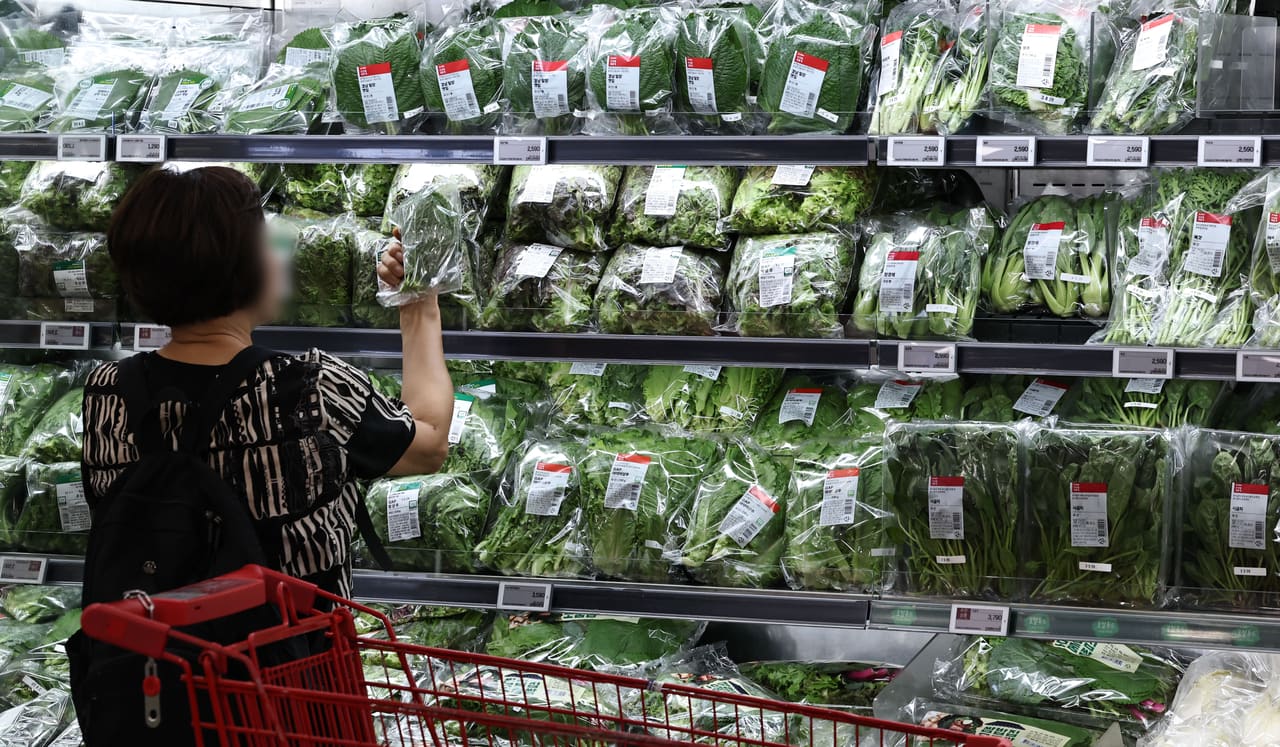
Deputy Governor Lee Ji-ho outlined the inflation picture during a central bank review session focused on price trends. July saw a deceleration in headline consumer prices, driven primarily by falling petroleum and agricultural commodity costs. Yet beneath the surface, core inflation ticked higher as durable goods prices rose, reflecting supply-side cost transmission that has yet to fully abate.
The August outlook hinges on two factors. First, the year-on-year comparison base shifts upward, a mechanical effect that will lift the headline rate even if month-to-month price changes remain modest. Second, ongoing tensions across the Middle East continue to exert upward pressure on energy input costs, a vulnerability for import-dependent economies across Northeast Asia.
Dual Inflation Narrative
Korea's inflation picture has split into parallel tracks. Headline measures have benefited from softer commodity prices in recent weeks, particularly in food and fuel categories that weigh heavily in household budgets. Agricultural product prices declined in July, easing pressure on fresh food inflation that had spiked earlier in the year due to weather disruptions and supply chain bottlenecks.
But core inflation, which strips out volatile food and energy components, moved in the opposite direction. Durable goods, spanning electronics to appliances and furniture, saw price increases as manufacturers passed along accumulated cost burdens. Wage growth, higher logistics expenses, and elevated import prices for key components have kept production costs elevated, leaving firms with limited room to absorb margin compression.
The divergence complicates the Bank of Korea's policy calculus. Headline inflation may appear contained, but underlying price momentum in goods and services tied to domestic demand signals that inflationary pressures have not fully dissipated. Core measures often serve as better predictors of medium-term inflation trends, and the July uptick suggests that price stability remains fragile.
Energy Market Vulnerability
Middle East geopolitical risk looms over the inflation forecast. Korea imports virtually all its crude oil and natural gas, making energy costs a direct pass-through to both producer and consumer prices. Recent escalations in regional tensions have kept oil markets on edge, with Brent crude futures trading in a range that leaves little cushion for supply disruptions.
Energy price shocks hit Korea's economy through multiple channels. Higher fuel costs raise transportation and logistics expenses, feeding into the prices of goods across the supply chain. Industrial producers face steeper input bills, particularly in petrochemical and manufacturing sectors that rely on energy-intensive processes. Utilities eventually adjust tariffs to reflect higher generation costs, translating into elevated household energy bills.
The central bank's reference to cost-push inflation underscores this vulnerability. Unlike demand-driven price increases, which can be tempered through tighter monetary policy, supply-side shocks require different tools and often prove more persistent. Korea's heavy reliance on imported energy leaves it exposed to external price swings that domestic policy levers cannot fully offset.
Policy Implications
The Bank of Korea has held its benchmark rate steady in recent months, balancing inflation risks against concerns about household debt and economic growth. The July inflation slowdown provided temporary relief, but the anticipated August rebound will test the central bank's resolve to maintain its current stance.
Seoul faces a familiar dilemma shared by central banks across Asia: how to anchor inflation expectations without choking off a recovery that remains uneven. Export-oriented sectors have shown resilience, buoyed by demand for semiconductors and electronics, but domestic consumption has lagged. Higher interest rates risk deepening household financial stress, particularly among borrowers carrying variable-rate mortgages tied to policy rates.
The inflation outlook for the remainder of the year will depend heavily on external variables beyond the central bank's control. Energy market stability, global commodity price trends, and the trajectory of supply chain normalization will all shape the price environment. For now, policymakers are signaling caution, watching closely for signs that core inflation momentum is either accelerating or beginning to fade.
Korea's inflation experience mirrors broader regional patterns. Across Asia, central banks are navigating the final stages of a post-pandemic price adjustment, with inflation rates gradually converging toward target ranges but not yet fully anchored. The August data, when released, will offer fresh evidence of whether that convergence is proceeding on track or facing renewed headwinds.
RELATED STORIES
South Korea Breaks Full-Year Export Record in September
Tran Quoc Bao · 3 min
SK Hynix Union Rejects Wage Deal in Razor-Thin Vote
Cheng Wei-Lun · 3 min
South Korea's Export Surge Powers Economic Upturn Through Third Quarter
Jun-ho Seo · 4 min
South Korea Targets $40,000 Per Capita Income as GDP Growth Accelerates
Jun-ho Seo · 4 min
Spot something wrong? Email editor@briefasia.com. We log every correction publicly.