Asia · Business
SK Innovation Secures First Condensate Cargo from Australia's Barossa Field
South Korea's energy major will receive 300,000 barrels in early August, capitalizing on a 14-year development and a 37.5 percent stake in the northern Australian project.
KEY TAKEAWAYS
- ·SK Innovation E&S will receive 300,000 barrels of condensate from Australia's Barossa gas field in early August, the project's first shipment to Korea since starting commercial production this year.
- ·The South Korean firm holds a 37.5 percent stake in Barossa, acquired through 14 years of exploration and construction involvement since joining in 2012.
- ·The cargo reflects a broader Asian strategy of equity upstream investment to secure stable feedstock supply and reduce exposure to spot-market price swings.
South Korea Locks in New Energy Supply
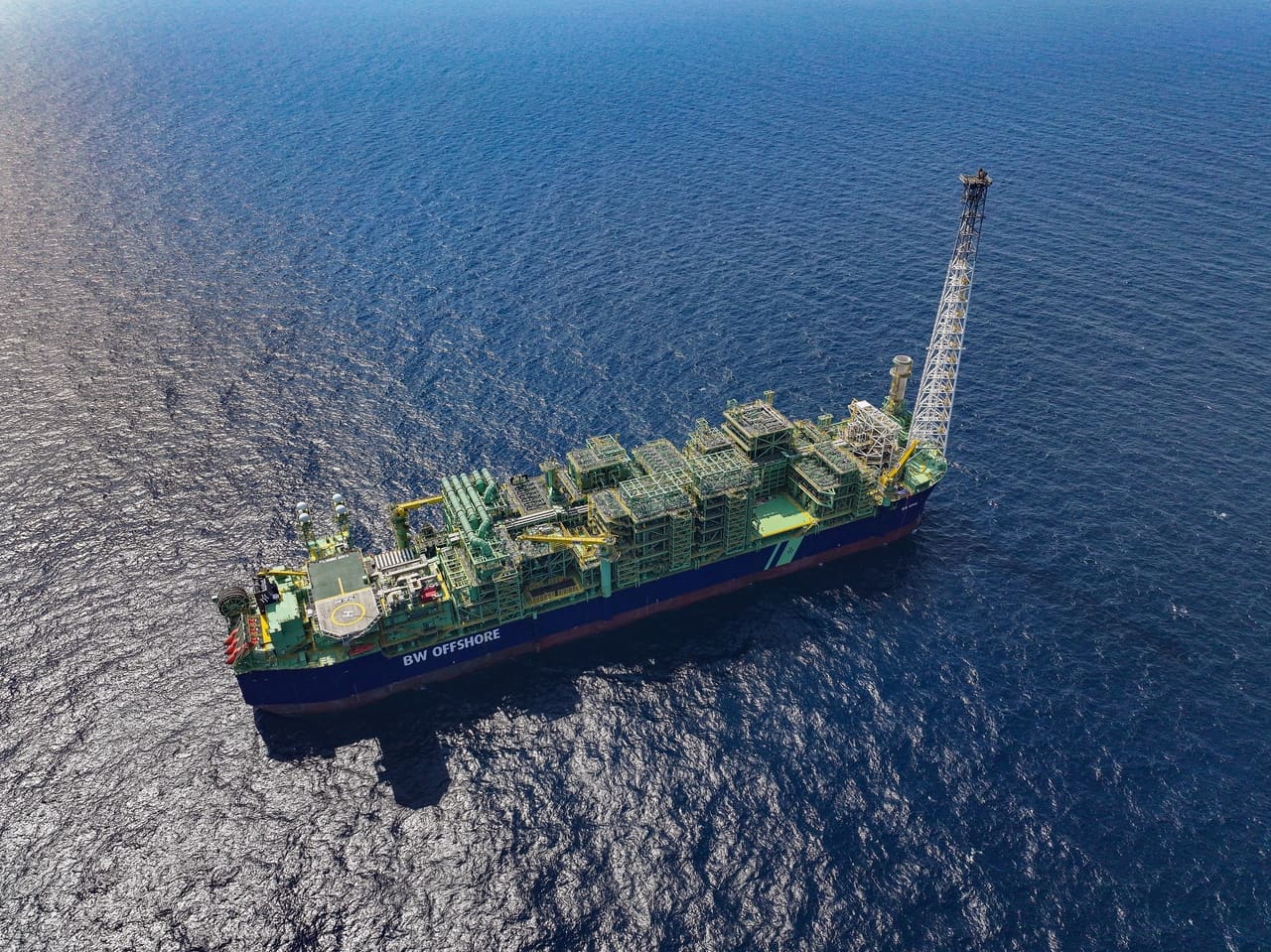
SK Innovation E&S will import 300,000 barrels of condensate from the Barossa gas field off northern Australia in early August, the company announced Monday. The shipment represents the first condensate cargo from the project to reach South Korean shores since the field commenced commercial production earlier this year.
The milestone caps a 14-year development timeline that began with SK's entry into the project in 2012. Since then, the Seoul-based energy firm has been involved in exploration, regulatory approvals, and construction phases, positioning itself as a significant stakeholder in one of the region's emerging offshore energy assets.
Strategic Stake in Offshore Production
SK Innovation E&S holds a 37.5 percent interest in the Barossa field, giving the company entitlement to a corresponding share of output. The stake places SK among the leading partners in the venture, which taps subsea gas reserves in waters north of Australia's Northern Territory.
Condensate, a light hydrocarbon liquid recovered alongside natural gas, serves as feedstock for refining and petrochemical production. For South Korea, a country that imports virtually all its oil and gas, securing stable condensate supply from projects with direct equity participation helps reduce exposure to spot-market volatility.
Asia's Energy Procurement Shift
The Barossa shipment arrives as Asian buyers deepen their upstream investments to anchor long-term supply. Japan, South Korea, and increasingly China have pursued equity stakes in liquefied natural gas and condensate projects across Australia, the Middle East, and Africa, seeking both volume security and pricing predictability.
Australia remains the world's largest LNG exporter, and its condensate production has grown in parallel with gas-field development. Northern Australian offshore projects, including Ichthys, Prelude, and now Barossa, have become critical nodes in the region's energy infrastructure, supplying feedstock to refineries in Tokyo, Seoul, and Singapore.
SK's participation in Barossa follows a broader pattern among South Korean conglomerates. Peers such as POSCO and Korea Gas Corporation have also taken stakes in Australian upstream assets, viewing direct investment as a hedge against supply disruptions and a complement to long-term offtake agreements.
Operational Context and Forward Outlook
Barossa's shift to commercial production this year follows years of engineering work in challenging deepwater conditions. The field is tied back to the existing Darwin LNG facility onshore, enabling gas processing and export without building new liquefaction infrastructure. Condensate separated during processing is shipped separately, as SK's August cargo demonstrates.
The August delivery will likely be the first of many as Barossa ramps up to plateau production. SK Innovation E&S has not disclosed the full volume of condensate it expects annually under its equity share, but industry observers estimate the field's total condensate yield in the range of several million barrels per year once fully operational.
For South Korea's refining sector, incremental condensate volumes help balance crude slates and support naphtha production, a key petrochemical input. SK Innovation's refining arm operates facilities in Ulsan and Incheon, both of which can process light condensate alongside heavier crude grades.
As Asian demand for cleaner-burning fuels and petrochemical feedstocks continues to rise, equity participation in upstream projects offers Korean firms a degree of supply control that pure offtake contracts cannot. The Barossa shipment underscores that strategy in action, linking Australian offshore production directly to South Korean industrial demand.
RELATED STORIES

SK Chemicals Targets Europe's Can-Coating Shift After BPA Ban
Cheng Wei-Lun · 2 min
South Korea's Export Surge Powers Economic Upturn Through Third Quarter
Jun-ho Seo · 4 min

South Korea Targets $40,000 Per Capita Income as GDP Growth Accelerates
Jun-ho Seo · 4 min
South Korea Breaks Full-Year Export Record in September
Tran Quoc Bao · 3 min
Spot something wrong? Email editor@briefasia.com. We log every correction publicly.