Technology · Dev
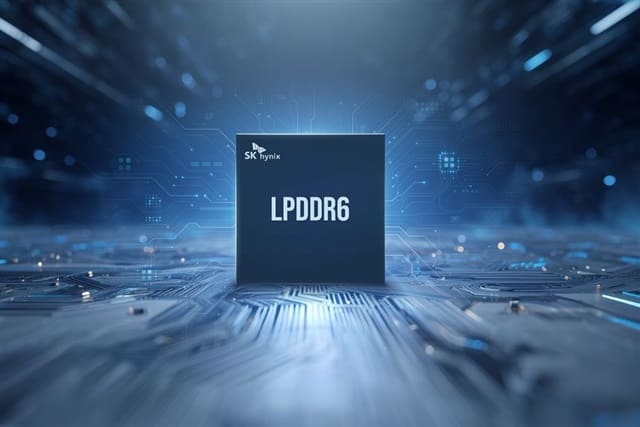
SK Hynix Targets Late 2026 for LPDDR6 Mass Production
The South Korean chipmaker is positioning Xiaomi as its first mobile customer, signaling a push into next-generation memory for premium smartphones and AI infrastructure.
KEY TAKEAWAYS
- ·SK Hynix plans to begin mass production of LPDDR6 memory chips in the second half of 2026, with Xiaomi set as the first mobile customer.
- ·The move strengthens SK Hynix's position in the premium mobile DRAM segment and lays groundwork for potential expansion into AI server memory.
- ·First LPDDR6-equipped smartphones are expected to reach consumers in early 2027, ahead of broader industry adoption later that year.
A New Memory Standard Takes Shape
SK Hynix is preparing to launch commercial production of LPDDR6 memory chips in the second half of 2026, a move that positions the South Korean manufacturer ahead of the next cycle in mobile device performance. Xiaomi is expected to integrate the new memory standard into its smartphone lineup first, according to industry sources.
The sixth generation of low-power double data rate memory represents a meaningful upgrade for flagship mobile devices, delivering higher bandwidth and improved power efficiency compared to the current LPDDR5X standard. For device makers competing in the premium segment, faster memory translates directly into smoother multitasking, quicker app launches, and better support for on-device AI workloads.
SK Hynix's decision to accelerate LPDDR6 production reflects broader competitive pressure in the mobile DRAM market, where Samsung and Micron have also signaled plans to ramp up next-generation memory. Securing an early design win with Xiaomi, one of the world's top smartphone vendors by volume, gives SK Hynix a foothold in a segment where first-mover advantages often define market share for years.
Beyond Smartphones
While mobile devices are the immediate target, SK Hynix is also eyeing the AI server market, where memory bandwidth has emerged as a critical bottleneck. The company has been expanding its high-bandwidth memory (HBM) capacity to meet surging demand from data center customers building out large language model infrastructure. LPDDR6, though designed for mobile form factors, shares architectural improvements that could inform future low-power server memory products.
The timing of the production ramp aligns with Xiaomi's product cycle. The Chinese manufacturer has historically been an early adopter of new memory and storage technologies, using component upgrades as a way to differentiate its flagship models in a crowded Android market. A late 2026 launch window would position LPDDR6-equipped devices for release in early 2027, ahead of the typical spring refresh cycle.
Industry observers note that memory specifications alone rarely determine device success, but they do serve as a signaling mechanism for technical leadership. For SK Hynix, the LPDDR6 rollout is as much about demonstrating manufacturing readiness as it is about capturing incremental revenue. The company has invested heavily in advanced packaging and process nodes to maintain competitiveness against Samsung, which holds a larger share of the mobile DRAM market.
The Competitive Landscape
SK Hynix's mobile memory business has grown steadily over the past three years, driven by demand for LPDDR5 and LPDDR5X in flagship Android devices and Apple's iPhone lineup. However, the mobile DRAM market is notoriously cyclical, with pricing and profitability swinging sharply based on inventory levels and device shipment forecasts.
An early push into LPDDR6 offers SK Hynix a hedge against commoditization. By establishing itself as a lead supplier for the next standard, the company can command premium pricing during the initial ramp phase, when supply is tight and device makers are willing to pay for guaranteed allocation. That window typically lasts 12 to 18 months before competition intensifies and prices normalize.
The partnership with Xiaomi also carries strategic weight. Xiaomi's global footprint spans Asia, Europe, and Latin America, giving SK Hynix exposure to multiple regional markets through a single customer relationship. If the initial LPDDR6 integration proceeds smoothly, it could lead to broader adoption across Xiaomi's product portfolio, including tablets and potentially automotive applications.
For Xiaomi, securing early access to LPDDR6 reinforces its position as a technology-forward brand, particularly in markets like India and Southeast Asia where Chinese manufacturers compete aggressively on specifications and price. The memory upgrade will likely be marketed as part of a broader performance story, bundled with faster processors, improved camera systems, and expanded AI features.
What Comes Next
The second half of 2026 remains nine months away, and production schedules in the semiconductor industry are subject to change based on yield rates, customer demand, and macroeconomic conditions. SK Hynix has not publicly confirmed the LPDDR6 timeline, and Xiaomi has not announced specific product plans tied to the new memory standard.
Still, the reported production target suggests that engineering samples are already in validation, and that both companies are confident enough in the technology to commit to a commercial rollout. If the schedule holds, the first LPDDR6-equipped smartphones could reach consumers by the first quarter of 2027, setting the stage for broader industry adoption throughout the year.
For the Asia memory supply chain, SK Hynix's move underscores the region's continued dominance in advanced semiconductor manufacturing. South Korea, Taiwan, and Japan account for the majority of global DRAM and NAND production, and the race to commercialize next-generation memory standards remains a key driver of capital investment and R&D spending across the sector.
RELATED STORIES

LG Pivots to AI-Defined Vehicle Platform as Korea Chases China's Self-Driving Lead
Jun-ho Seo · 3 min

South Korea Records Highest September Export Start on Semiconductor Demand
Tran Quoc Bao · 3 min

SK Hynix May Fast-Track Gwangju Fab Investment Alongside Yongin Expansion
Jun-ho Seo · 3 min

SK Hynix Eyes Deeper Collaboration With Japan's Chip Sector
Cheng Wei-Lun · 4 min
Spot something wrong? Email editor@briefasia.com. We log every correction publicly.