Technology · Dev
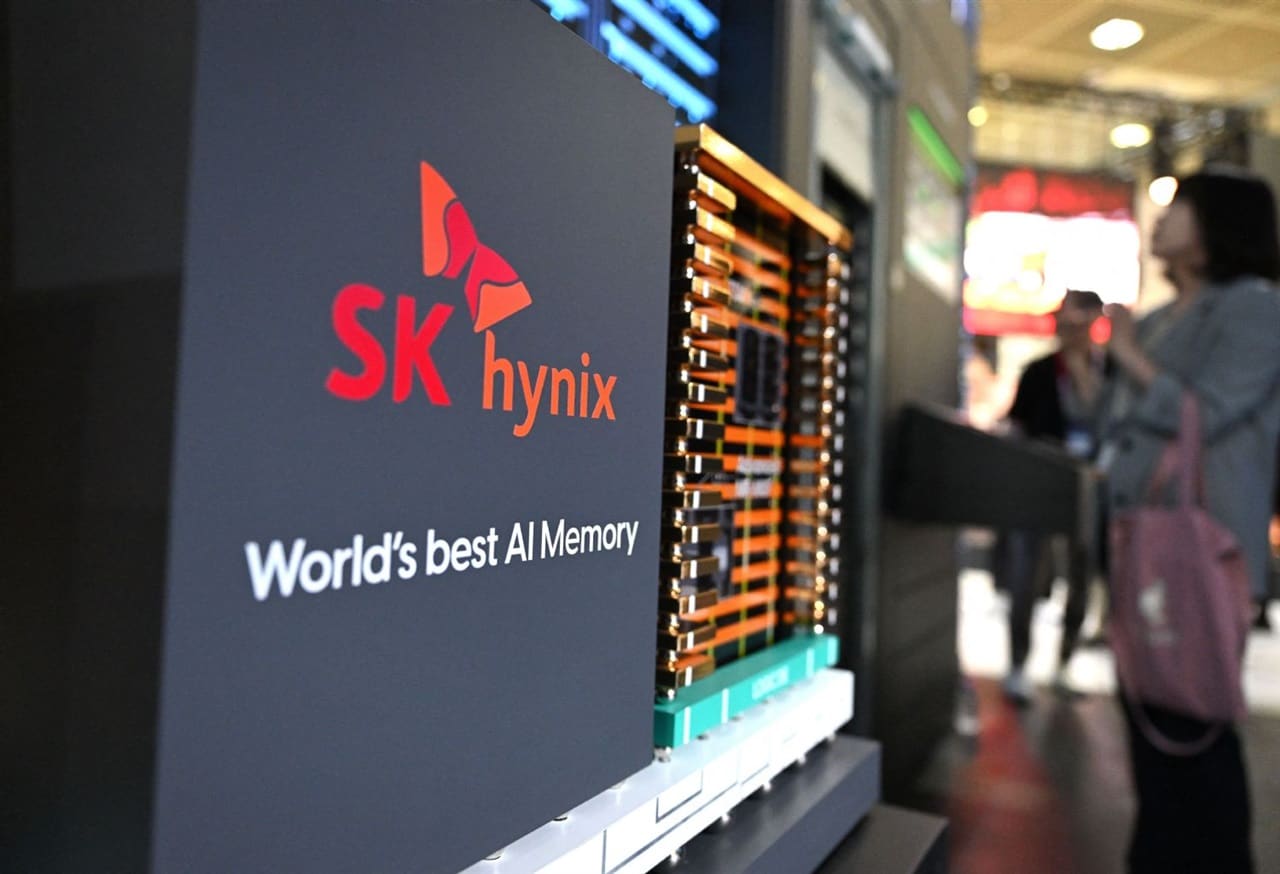
SK Hynix Plans Over KRW40 Trillion Capex While Weighing US and Japan Production
South Korea's memory giant is preparing a massive 2026 investment to expand AI chip capacity but remains uncommitted on new overseas fabs as it evaluates customer proximity and infrastructure needs.
KEY TAKEAWAYS
- ·SK Hynix is preparing a capital expenditure plan exceeding KRW40 trillion for 2026 to expand AI memory production capacity.
- ·The company has not committed to new fabrication facilities in the US or Japan, citing business feasibility and infrastructure readiness as key factors.
- ·The investment signals strong confidence in multi-year AI infrastructure demand while maintaining geographic flexibility for future expansion decisions.
A Record Capex Push for AI Memory
SK Hynix is preparing a capital expenditure programme in the high KRW40 trillion range for 2026, one of the largest annual investment plans in the company's history. The spending is aimed squarely at expanding production capacity for high-bandwidth memory and other AI-focused products, which have become the fastest-growing segment of the semiconductor market over the past eighteen months.
The South Korean chipmaker announced the figure as part of its broader manufacturing strategy update, signalling confidence in sustained demand from hyperscale cloud providers and AI infrastructure builders. HBM3E and next-generation memory architectures now command premium prices and tight supply, and SK Hynix has emerged as a key supplier to Nvidia, AMD, and several Chinese AI accelerator designers.
The KRW40 trillion commitment represents a sharp increase from the company's 2025 capex, which stood near KRW35 trillion. Most of the new funds will be directed toward advanced packaging lines, cleanroom expansions at existing South Korean fabs, and equipment purchases for sub-10-nanometer DRAM and 300-layer-plus NAND production nodes.
No Immediate Commitment to US or Japan Fabs
Despite the scale of the planned investment, SK Hynix has declined to earmark funds for new fabrication facilities in the United States or Japan. The company acknowledged that both markets remain under consideration for future expansion but emphasised that any decision will hinge on a combination of business feasibility, local infrastructure readiness, the maturity of regional semiconductor ecosystems, and proximity to customers.
The statement reflects a more cautious stance than that taken by rival Samsung, which has already committed to a Texas fab expansion and is exploring additional US sites. It also contrasts with Micron's multi-billion-dollar plan to build memory production in New York and Idaho with support from the US CHIPS Act.
Industry observers note that SK Hynix's hesitation may stem from uncertainty around subsidy structures, permitting timelines, and the availability of skilled labour in both the US and Japan. The company has historically concentrated its most advanced memory production in South Korea, where it operates integrated R&D and manufacturing campuses in Icheon and Cheongju.
Flexibility as a Strategic Priority
In its update, SK Hynix stressed that it is building a "flexible global manufacturing footprint" rather than locking in geography-specific commitments years in advance. The language suggests the company is watching how geopolitical dynamics, trade policy, and customer procurement patterns evolve before making irreversible site decisions.
The chipmaker has existing operations in China, including a NAND fab in Wuxi, but those facilities are focused on mature nodes and face growing scrutiny from both Beijing and Washington over technology transfer and export controls. The company has so far avoided announcing major capacity additions in China, even as it continues to serve local customers.
Japan, meanwhile, has been actively courting foreign chipmakers with subsidies and streamlined approvals. TSMC has already opened a Kumamoto fab, and a second facility is under construction. SK Hynix has a legacy packaging and test site in Japan but has not yet moved forward with advanced logic or memory production there.
The United States remains the largest end market for AI chips and memory modules, and proximity to hyperscale data centres in Virginia, Oregon, and Texas could offer logistical advantages. However, the cost of construction, permitting delays, and workforce constraints have made US fab projects notoriously expensive and slow to ramp.
What the Capex Signals for the AI Supply Chain
SK Hynix's KRW40 trillion plan underscores the extent to which memory suppliers are now betting on multi-year AI infrastructure buildouts. The company's decision to prioritise capacity expansion over geographic diversification suggests it believes demand visibility is strong enough to justify heavy investment in existing sites, where it can control yield, speed, and cost more tightly.
At the same time, the absence of new overseas commitments leaves open the possibility that SK Hynix is waiting for clearer signals from customers or governments before committing to long-lead-time construction projects abroad. The company's next earnings call and annual investor day will likely offer more detail on site selection timelines and the breakdown of the 2026 capex by product line and geography.
For now, the message is one of confidence in AI memory demand and caution on overseas expansion. SK Hynix is moving forward with the tools and capacity it needs to meet near-term orders, but it is keeping its options open on where the next wave of fabs will be built.
RELATED STORIES
SK Hynix Eyes Deeper Collaboration With Japan's Chip Sector
Cheng Wei-Lun · 4 min
SK Hynix May Fast-Track Gwangju Fab Investment Alongside Yongin Expansion
Jun-ho Seo · 3 min
Samsung and SK Hynix Turn Down KEPCO's Multibillion-Dollar Prepayment Demand
Cheng Wei-Lun · 4 min
LG Pivots to AI-Defined Vehicle Platform as Korea Chases China's Self-Driving Lead
Jun-ho Seo · 3 min
Spot something wrong? Email editor@briefasia.com. We log every correction publicly.