Finance · Markets
Sinopec Posts 19% Profit Jump Amid Supply Crisis and Weak Demand
China's largest refiner navigated Middle East disruptions and falling domestic fuel consumption to deliver unexpected earnings growth in the first half of 2026
KEY TAKEAWAYS
- ·Sinopec's net profit reached 25.63 billion yuan in the first half of 2026, a 19.3 percent increase despite Middle East supply disruptions and weak domestic fuel demand.
- ·Refining margins jumped 44.1 percent to 453 yuan per tonne as the company diversified crude sources and optimised product mix, even as throughput fell 5.6 percent.
- ·The chemicals segment posted losses exceeding 200 million yuan, with ethylene output down 15.5 percent amid overcapacity and competition from private producers.
Unexpected Earnings Growth
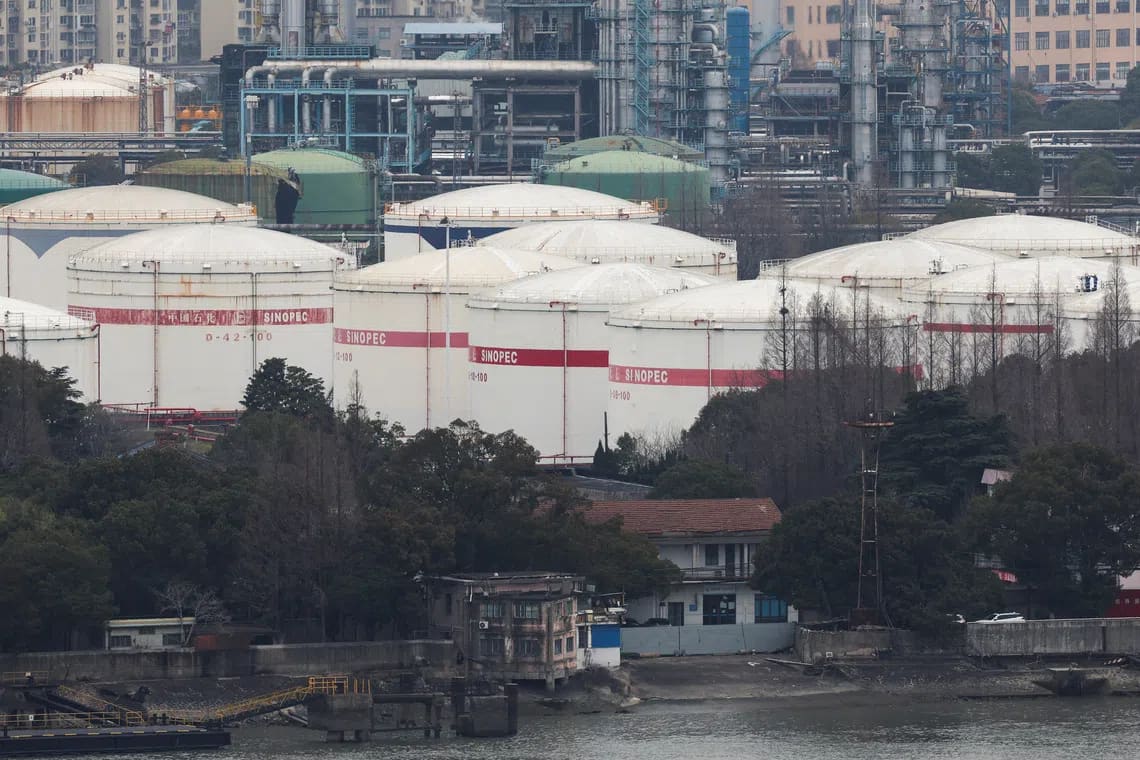
China Petroleum & Chemical Corporation delivered net profit of 25.63 billion yuan for the first six months of 2026, up 19.3 percent from 21.48 billion yuan in the same period a year earlier, according to Sinopec. The result surprised observers given the twin pressures of Middle East supply disruptions and weakening fuel consumption at home.
The world's largest refiner by capacity wrote down inventories by 16 billion yuan during the period, reflecting sharp swings in crude and product prices. Sinopec set aside provisions for asset impairment as volatility in oil markets took a toll on the value of stored barrels and finished products.
Processing Volumes and Margin Performance
Crude throughput fell 5.6 percent year-on-year to 113.31 million tonnes, equivalent to 4.57 million barrels per day. The decline reflected both supply constraints and weaker end-user demand for gasoline and diesel across China.
Refining margins, however, climbed 44.1 percent to 453 yuan per tonne, an increase of 139 yuan per tonne compared with the first half of 2025. The refining segment posted operating profit growth of 381.5 percent, driven by procurement adjustments and product-mix optimisation.
Sinopec said it broadened crude sourcing beyond the Middle East, timed purchases to capture favourable pricing windows, and adjusted output to prioritise higher-margin products. The strategy helped offset the impact of domestic retail fuel price caps, which lagged the surge in crude costs and compressed pass-through margins for refiners.
Middle East Exposure
The company historically sourced half its crude from the Middle East, making it vulnerable when the Strait of Hormuz remained largely closed from March onward. The disruption represented the most severe supply crisis in decades, forcing Beijing to drastically reduce oil imports and compelling state refiners to absorb price shocks.
Government policy limited Sinopec's ability to raise pump prices in step with crude costs, a constraint that typically squeezes refining economics. Yet the company managed to expand margins through diversified supply channels and tighter operational controls.
China's reduced import appetite freed up barrels for other buyers and helped moderate global crude prices, an unintended cushion for markets elsewhere.
Chemicals Segment Struggles
Sinopec's chemicals operations remained in the red, posting an operating loss exceeding 200 million yuan. Losses narrowed by approximately four billion yuan compared with the prior-year period, reflecting cost discipline and lower feedstock expenses.
Ethylene output dropped 15.5 percent to 6.4 million tonnes as the company contended with domestic overcapacity and intensifying competition from private-sector petrochemical producers. Weak demand for plastics, synthetic fibres, and other downstream products weighed on utilisation rates.
The chemicals downturn underscores broader challenges facing China's industrial sector, where slowing construction activity and export headwinds have dampened consumption of petrochemical intermediates.
Outlook and Production Plans
Sinopec projects crude processing of 113 million tonnes for the second half of 2026, roughly flat with the volume handled in the first six months. The guidance suggests management expects supply conditions and domestic demand to remain stable through year-end.
The company's ability to sustain margins will hinge on continued diversification of crude sources, nimble procurement timing, and product-mix flexibility. Any further escalation in Middle East tensions or sharper-than-expected slowdown in China's economy could pressure both volumes and profitability.
Sinopec's performance offers a window into how Asia's largest energy consumers are adapting to fractured supply chains and shifting trade flows. The refiner's pivot away from traditional Middle East suppliers and toward alternative sources signals a structural change in regional crude markets, with implications for pricing benchmarks and long-term supply contracts across the region.
RELATED STORIES
Ping An Eyes Hong Kong ETF Market as Beijing Opens Cross-Border Insurance Capital
Cheng Wei-Lun · 4 min

Guotai Haitong Asset Arm Fined $7.8 Million Over Offshore Capital Breaches
Cheng Wei-Lun · 3 min
Evergrande Founder's Life Sentence Adds New Layer to $57 Billion Debt Recovery
Cheng Wei-Lun · 3 min
Evergrande Founder Fined $1.31 Billion as China's Treasury Holdings Decline
Cheng Wei-Lun · 3 min
Spot something wrong? Email editor@briefasia.com. We log every correction publicly.