Asia · Business
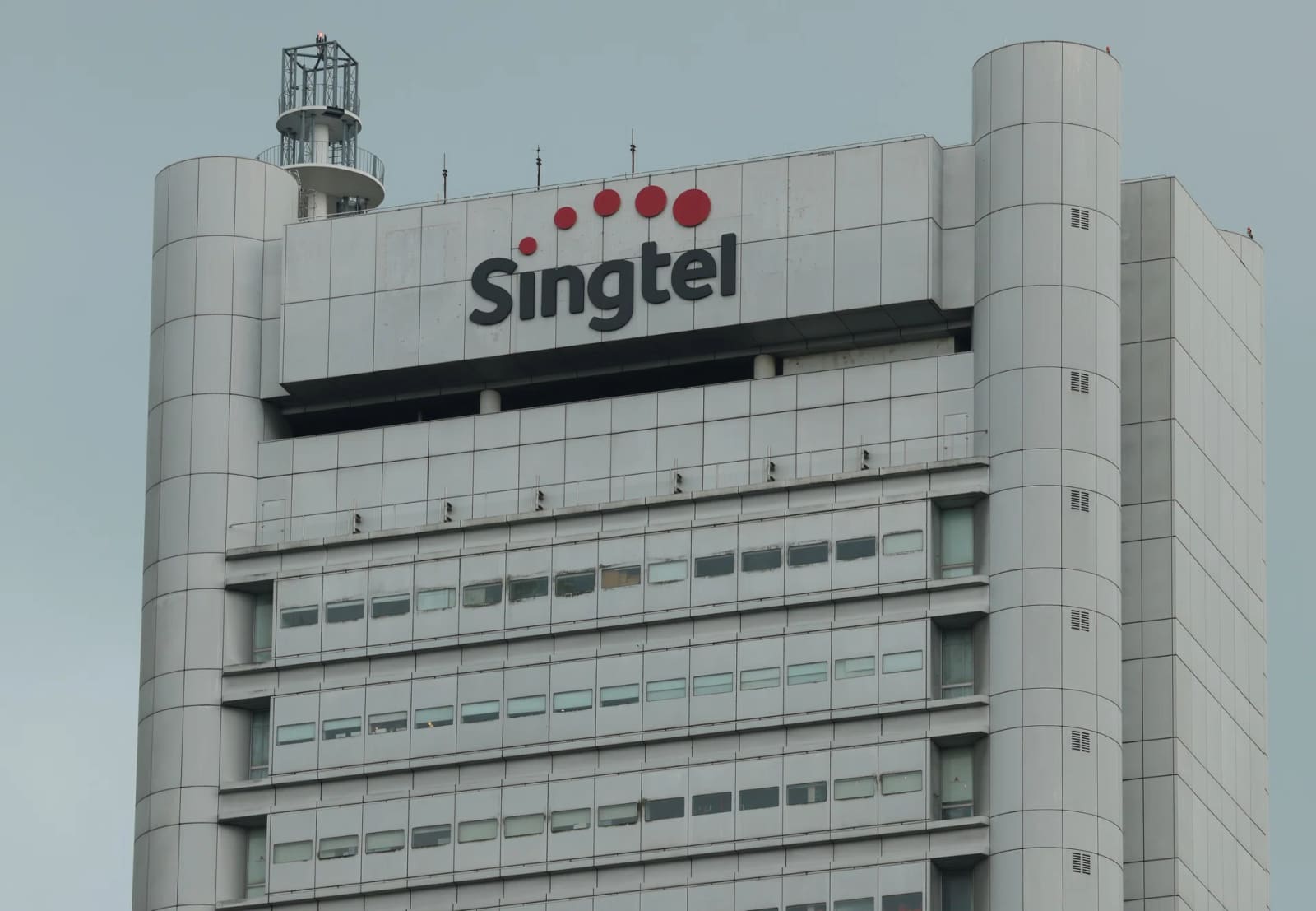
Singtel Weighs Minority Sale in Optus After Crisis-Ridden Years
Singapore's largest telecom confirms it is in talks to bring in a local partner for its Australian subsidiary, ending a quarter-century of sole ownership
KEY TAKEAWAYS
- ·Singtel confirmed it is in discussions to sell a minority stake in Optus, its wholly owned Australian subsidiary, ending 25 years of sole ownership.
- ·The move follows a 2022 cyberattack and a 2023 nationwide outage that triggered fines, remediation costs, and a full-year loss for Optus.
- ·Singtel is seeking a local partner to restore operational resilience and public trust while maintaining majority control and long-term commitment to Australia.
Seeking a Local Anchor
Singapore Telecommunications confirmed Thursday it is exploring the sale of a minority stake in Optus, its wholly owned Australian telecommunications subsidiary, though executives cautioned that no deal is certain.
The company said it is engaging with interested parties to identify a "like-minded local partner" for the carrier, reiterating a strategic pivot first disclosed in May. Singtel did not name potential buyers or provide a timeline, stating only that it would update shareholders on material developments.
A transaction would mark the first time in 25 years that Singtel has shared ownership of Australia's second-largest wireless operator. The company acquired Optus in 2001 and has maintained full control ever since, building it into a cornerstone of its regional portfolio.
A Battered Asset
The search for a partner comes after a brutal stretch for Optus. The subsidiary has faced intense regulatory and political pressure following a large-scale cyberattack in 2022 that exposed customer data and a nationwide network outage in 2023 that knocked out emergency services across Australia.
Those incidents triggered hundreds of millions of dollars in fines, remediation expenses, and customer compensation. Optus reported a full-year loss in its most recent financial results, a sharp reversal from prior profitability.
Singtel has framed the potential partnership as a way to restore operational resilience and rebuild public trust. In its May announcement, the company said a local partner holding a "meaningful minority stake" could bring complementary skills to improve service delivery and strengthen Optus's position as a credible alternative in the Australian market.
Strategic Rationale
Bringing in a partner could also unlock value for Singtel, which has been under pressure to streamline its portfolio and focus capital on higher-growth segments such as data centers and digital infrastructure. Analysts at Citi Research noted in May that onboarding a strategic investor could "raise further proceeds" if executed successfully.
At the same time, Singtel has emphasized its long-term commitment to Australia. The company said it intends to remain the majority owner and maintain strategic control over Optus, with the new partner playing a supporting rather than leading role.
The discussions reflect a broader shift in Singtel's asset strategy. The company has been divesting non-core holdings and exploring partnerships to reduce leverage and fund investments in cloud, cybersecurity, and network infrastructure. Earlier this year, Singtel also began exploring a dual listing for Nxera, its data center arm, on Nasdaq and the Singapore Exchange.
Market Context
Optus operates in a concentrated market dominated by Telstra, Australia's largest carrier, and faces competition from smaller players including TPG Telecom. The Australian telecommunications sector has been shaped by heavy regulatory oversight, high capital intensity, and rising expectations around network reliability and data security.
The 2023 outage, which lasted more than 12 hours and affected millions of customers, became a flashpoint for regulatory reform. A government-commissioned review flagged gaps in crisis protocols and called for stricter resilience standards across the industry.
Singtel CEO's compensation fell 17 percent to SGD 6.8 million in fiscal 2026, partly reflecting the impact of the Optus incidents on group performance. The company has since replaced senior management at Optus and committed to investing in network redundancy and cybersecurity upgrades.
What Comes Next
Singtel has not disclosed whether it is negotiating with a single party or running a competitive process. Potential partners could include infrastructure funds, sovereign wealth vehicles, or strategic operators with expertise in network operations or digital services.
The company said it would provide updates as discussions progress, but warned that there is no certainty a transaction will be completed. Any deal would likely require approval from Australian regulators and foreign investment authorities, given the strategic nature of telecommunications infrastructure.
For Singtel, the outcome will determine whether it can stabilize Optus while freeing up capital for growth elsewhere in its portfolio. For Australia's telecom sector, a new partner at Optus could reshape competitive dynamics and influence how the market responds to future crises.
RELATED STORIES
Southeast Asian Firms Overlook Digital Pact Worth USD 2 Trillion
Lim Hui Ying · 4 min

Singapore Economists Lift 2026 Growth Outlook to 5% as Chip Exports Surge
Priyanka V. Rao · 3 min

Five ASEAN Members Back Regional Oil Stockpile as Study Nears Completion
Tran Quoc Bao · 3 min

Shein Drops 4% in Hong Kong Debut as Tariff Pressure Weighs on Valuation
Priyanka V. Rao · 4 min
Spot something wrong? Email editor@briefasia.com. We log every correction publicly.